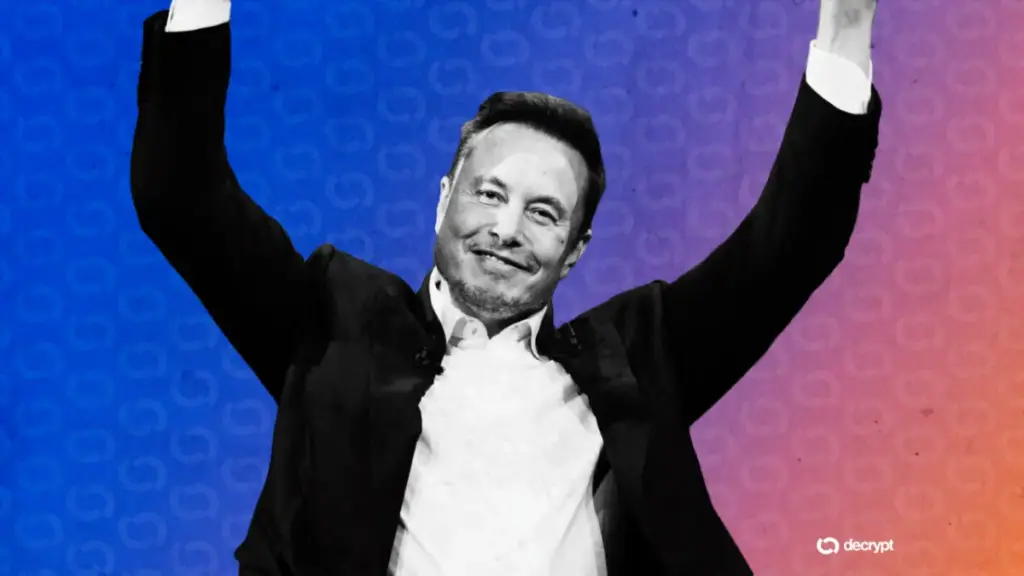
The prospect of a massive corporate unification between two of the most influential technology and engineering companies of the modern era took a formal step forward recently, accompanied by all the corporate governance theater typical of an Elon Musk enterprise. Following weeks of intense speculation surrounding a potential combination of SpaceX and Tesla—a deal that Wall Street analysts estimate could create a combined corporate titan valued at approximately $3.5 trillion—both companies officially established independent special committees on October 20 to evaluate the proposed transaction.
For Musk, stepping away from the negotiating table has felt like a surreal exercise. Describing the setup during a public appearance, Musk remarked that the process felt like “an odd kabuki dance where two groups of people are talking, and I can’t be in the conversation.” In a video clip shared widely on social media from a fireside chat, Musk admitted the delicacy of the situation, noting, “I mean, this is definitely kind of a question where I feel like I’m tap dancing through a minefield. But so I have to be thoughtful about what I say here. I think both SpaceX and Tesla have formed special committees…”
Yet, despite his formal recusal from the active negotiation rooms, a close examination of regulatory filings reveals that Musk’s absence from the day-to-day talks may ultimately be a formality. According to an October 22 Form 10-Q filing submitted by SpaceX, any prospective business combination involving Tesla “would be subject to further approval by our special committee, our board of directors and our controlling shareholder.”
Given that Musk currently controls roughly 85% of SpaceX’s total voting power, he is undeniably that controlling shareholder. The explicit language within the regulatory disclosures strongly suggests that regardless of what independent special committees recommend or negotiate, Musk will retain the ultimate authority to greenlight or veto the transaction. In short, while he may be barred from the direct negotiation sessions to satisfy corporate governance protocols, the ultimate power to decide the fate of the megamerger remains firmly in his hands.
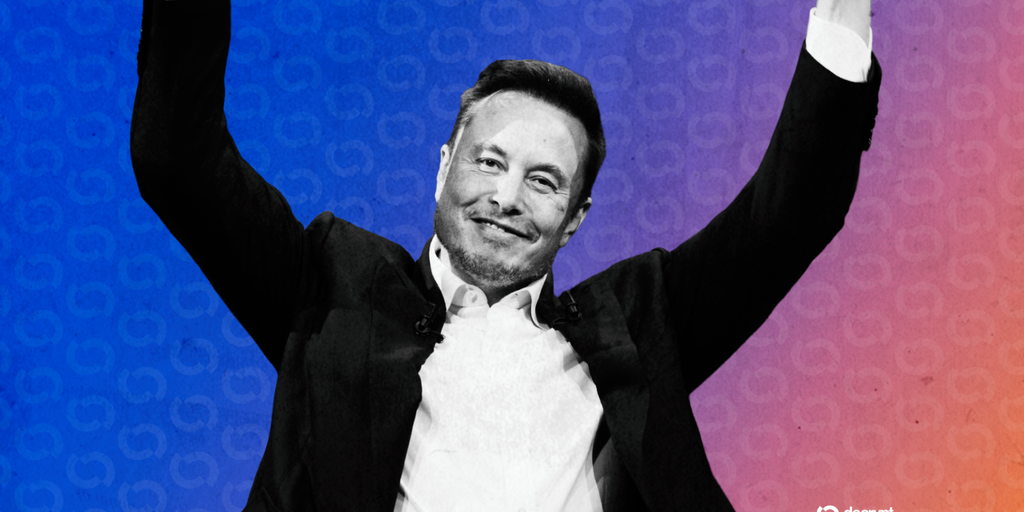
Furthermore, Musk has already left an indelible mark on the preliminary discussions before the independent committees could even establish their formal boundaries. Reuters reported that Musk’s public endorsement of the SpaceX-Tesla deal earlier this month threw a significant wrench into the independent governance process. According to industry insiders, his vocal support complicated the special committees’ ability to negotiate at arm’s length, injecting external pressure into a framework designed to operate free from the dominant executive’s immediate influence.
This tension brings familiar governance controversies back into the spotlight. Skeptics and market observers have increasingly pointed to Tesla’s controversial 2016 acquisition of SolarCity—another high-profile transaction involving significant overlapping interests that ultimately cleared scrutiny in Delaware courts—as the closest operational precedent for the current merger talks. That deal faced substantial shareholder litigation regarding conflicts of interest, setting a complex legal backdrop for any new combination of Musk-led entities. Moreover, SpaceX’s own investor disclosures have previously flagged Musk’s deeply intertwined and overlapping business interests as a material risk to the aerospace and defense company, emphasizing the unique governance challenges posed by his sprawling entrepreneurial empire.
As the corporate apparatus grinds forward, the path to finalizing a deal faces steep procedural and financial hurdles. Tesla shareholders will face a stringent voting standard to approve any final agreement. Rather than requiring merely a simple majority of the votes actually cast during a shareholder meeting, approval demands a threshold of 50% of all outstanding shares—a requirement that Musk himself has openly acknowledged as “quite a high hurdle” given typical shareholder turnout rates at major public corporations.
Financial institutions are already crunching the numbers on what the post-merger ownership structure would look like. Projections from REX Financial estimate that the merged conglomerate would solidify Musk’s dominance, leaving him with approximately 57% of the combined company’s overall voting power. Meanwhile, speculation persists across financial markets regarding equity structures, with some analysts noting that Tesla holders might receive little to no direct financial premium to swap their shares into Musk’s privately held space exploration and satellite internet powerhouse.
With the corporate machinery now in motion, all eyes are turning toward the horizon. Tesla’s upcoming annual meeting, scheduled for December 3, is expected to serve as a critical focal point for investors, governance advocates, and market analysts tracking the evolution of Musk’s artificial intelligence, automotive, and aerospace empire.
 Decentralized Applications (dApps)
 Decentralized Applications (dApps)
 Decentralized Applications (dApps)