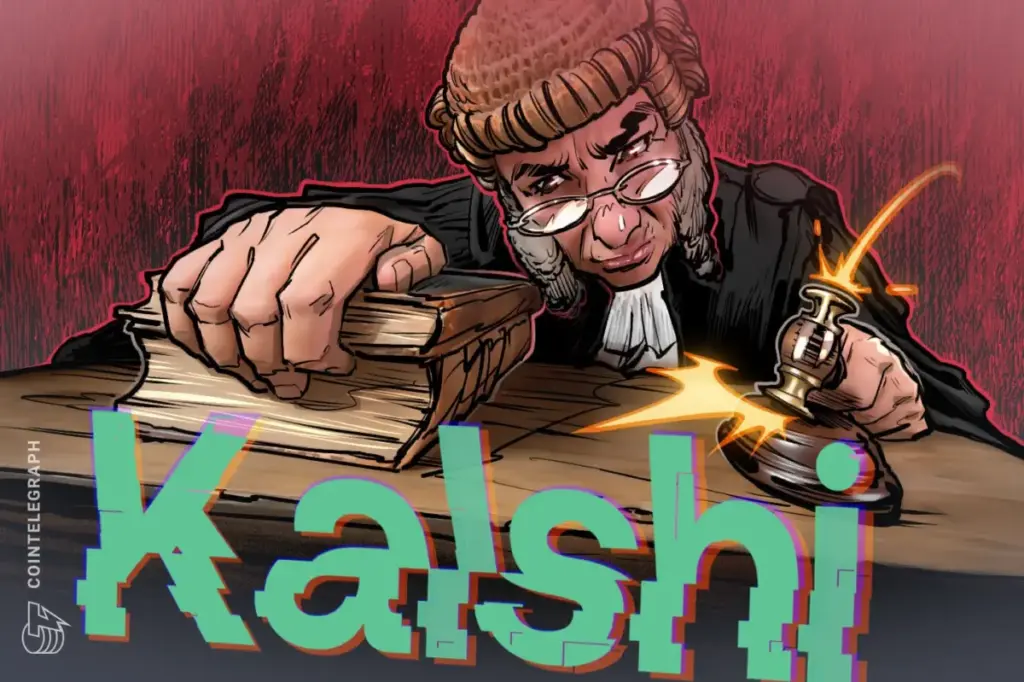
Utah Attorney General Derek Brown has officially announced a sweeping civil lawsuit against the prediction markets platform Kalshi, its various affiliates, and two major Susquehanna trading companies. The legal action alleges that the platform has been facilitating illegal betting within the state of Utah since 2024, triggering a high-stakes confrontation over the boundaries of state gambling laws and federal financial regulation.
During a press briefing on Tuesday, Attorney General Brown detailed the state’s aggressive legal maneuver, revealing that Utah officials have petitioned a court to compel the named companies to disgorge an estimated $30 million to $60 million in profits. According to the state’s filings, these funds were accumulated through event contracts that Utah regulators deem unlawful under state statute. Furthermore, the attorney general’s office alleged that Kalshi knowingly and illegally offered its speculative trading services to more than 32,000 users residing within the state, ultimately resulting in significant financial losses for local participants.
"Under Utah law, I have determined that this operation is causing a significant and substantial ongoing harm to a significant number of Utahns," Brown stated during the press briefing. "And so today, we are asking the court to stop sports, elections, politics, culture, and mention bets here in Utah."
The Utah lawsuit represents the latest flashpoint in an escalating war of attrition between state-level regulators and the rapidly growing prediction market industry. The roots of the current conflict in Utah date back to February, when Kalshi proactively sued the state after local lawmakers passed legislation explicitly classifying betting on prediction markets as illegal gambling under state law. The legislative move set the stage for a judicial showdown. In August, a state judge ruled decisively in favor of Utah officials, rejecting the platform’s arguments and determining that federal laws overseen by the US Commodity Futures Trading Commission do not preempt state-level gambling restrictions. The legal pressure intensified in September when an appellate court denied Kalshi’s request for an injunction, effectively blocking the platform from operating within the state while its broader legal appeal moves forward.
In response to the newly filed lawsuit, Kalshi pushed back strongly against the state’s characterization of its operations, emphasizing its status as a federally overseen entity. Jacki McGavick, a spokesperson for Kalshi, defended the platform in a statement provided to Cointelegraph, highlighting the structural nature of the marketplace.
"Kalshi is a federally regulated financial exchange, like the stock market," McGavick said. "Our customers trade with each other and set the prices. As a national derivatives market overseen by the CFTC, Kalshi answers to federal law, and no single state should have a veto over it. This latest state court action does not affect our ongoing federal litigation."
The confrontation in Utah is far from an isolated incident. Instead, it forms part of a broader, nationwide wave of regulatory and legal challenges. Across the United States, various state authorities have initiated civil lawsuits against prominent prediction market platforms, including Kalshi and Polymarket, citing alleged violations of state gambling statutes, particularly regarding sports betting and political event contracts.
Regulatory posture varies significantly by jurisdiction, however. Officials in Arizona currently stand alone as the only state authorities pursuing criminal charges against Kalshi in connection with its market offerings. Meanwhile, a growing roster of states—including Michigan, Ohio, Kentucky, Nevada, Massachusetts, Wisconsin, and New York—have opted to pursue civil litigation against one or more prediction market companies as they grapple with the financial and social implications of retail access to event contracts.
The timing of the Utah lawsuit coincides with a critical juncture for the industry at the highest levels of the American judicial system. The legal battle in Utah arrives just as the Supreme Court of the United States considers whether to accept a petition to weigh in on a parallel case originating from New Jersey. That dispute centers on New Jersey’s own legal challenges against Kalshi over allegedly illegal sports bets offered on the exchange.
If the nation’s highest court ultimately decides to accept the New Jersey petition, it could provide a definitive nationwide ruling on a foundational constitutional and regulatory question: whether the oversight of prediction market companies and their event contracts falls squarely under the jurisdiction of state regulators enforcing local gambling prohibitions, or if the Commodity Futures Trading Commission maintains the "exclusive jurisdiction" it claims over these financial instruments. Until the federal courts or the Supreme Court provide clarity, the regulatory landscape will likely remain heavily contested, leaving platforms caught in the crossfire between federal designations and state-level enforcement actions.
 Crypto Regulation & Policy
 Crypto Regulation & Policy
 Crypto Regulation & Policy