
Welcome to the weekly update on the state of Bitcoin mining, where market dynamics, network performance, and economic indicators converge to paint a picture of the industry’s health. For miners navigating the complexities of the ecosystem, this week brought a largely favorable macroeconomic and operational environment. Characterized by rising asset prices, modest pullbacks in network hashrate, and slightly alleviated difficulty pressures, the period delivered a much-needed boost to miner profitability across the board.
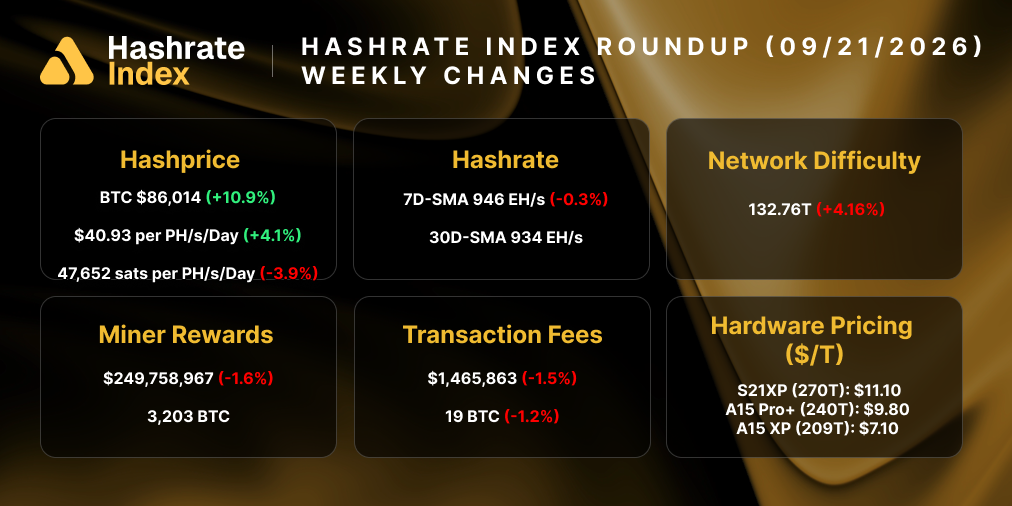
Over the past week, Bitcoin staged a notable recovery, driving up spot prices and lifting overall miner earnings. Miners collected a total of approximately 3,203 BTC in block rewards, translating to roughly $249 million at prevailing market rates. Transaction fees accounted for a minor slice of this total, contributing 0.59% of block rewards with a collective haul of 19 BTC, equivalent to about $1.47 million. While transaction fee contributions remain subdued relative to the massive block subsidy, the general upward tick in transaction fee averages provided a small supplementary lift for mining operations.
Bitcoin Price Action and Market Performance
The primary catalyst for improved mining revenues this week was the impressive upward movement in Bitcoin’s spot price. Over the seven-day observation window, Bitcoin surged by 10.9%, climbing from a local low of approximately $77,567 to a robust standing of around $86,003. This rapid appreciation injected renewed optimism into the mining sector, lifting the spirits of operators who have faced margin compression throughout various phases of the market cycle.
Looking at the broader price metrics, the spot price hovered around $86,014, reflecting a 5.9% increase over the preceding 24-hour window from a previous spot price of $81,234. Derivatives markets similarly reflected this bullish sentiment. CME futures contracts for upcoming months showcased steady confidence among institutional and traditional finance participants. The September CME future traded near $86,065, showing a modest 0.1% change, while the October and November contracts stood at $86,580 and $86,950, respectively, demonstrating a slight forward contango that signals sustained expectation of stability or continued growth in the near term.
Hashprice Trends and Revenue Dynamics
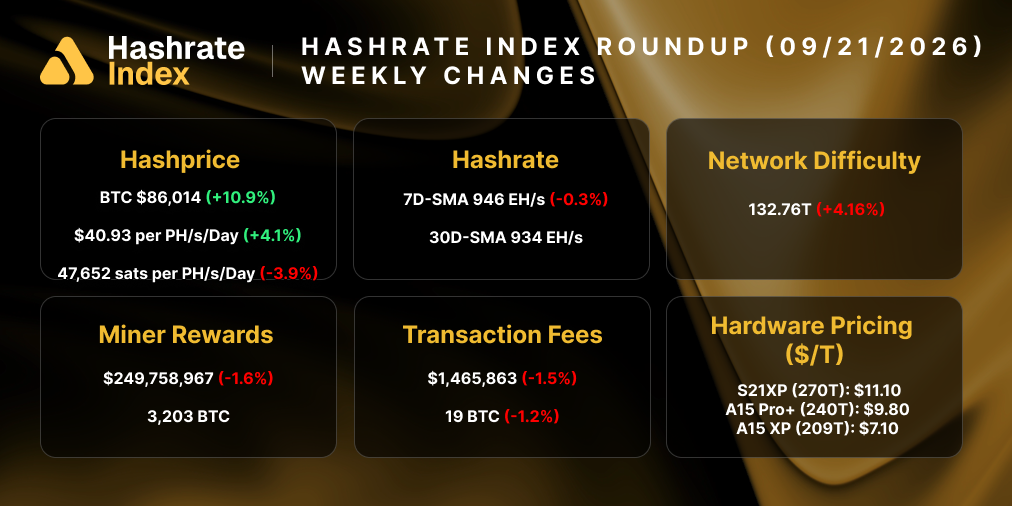
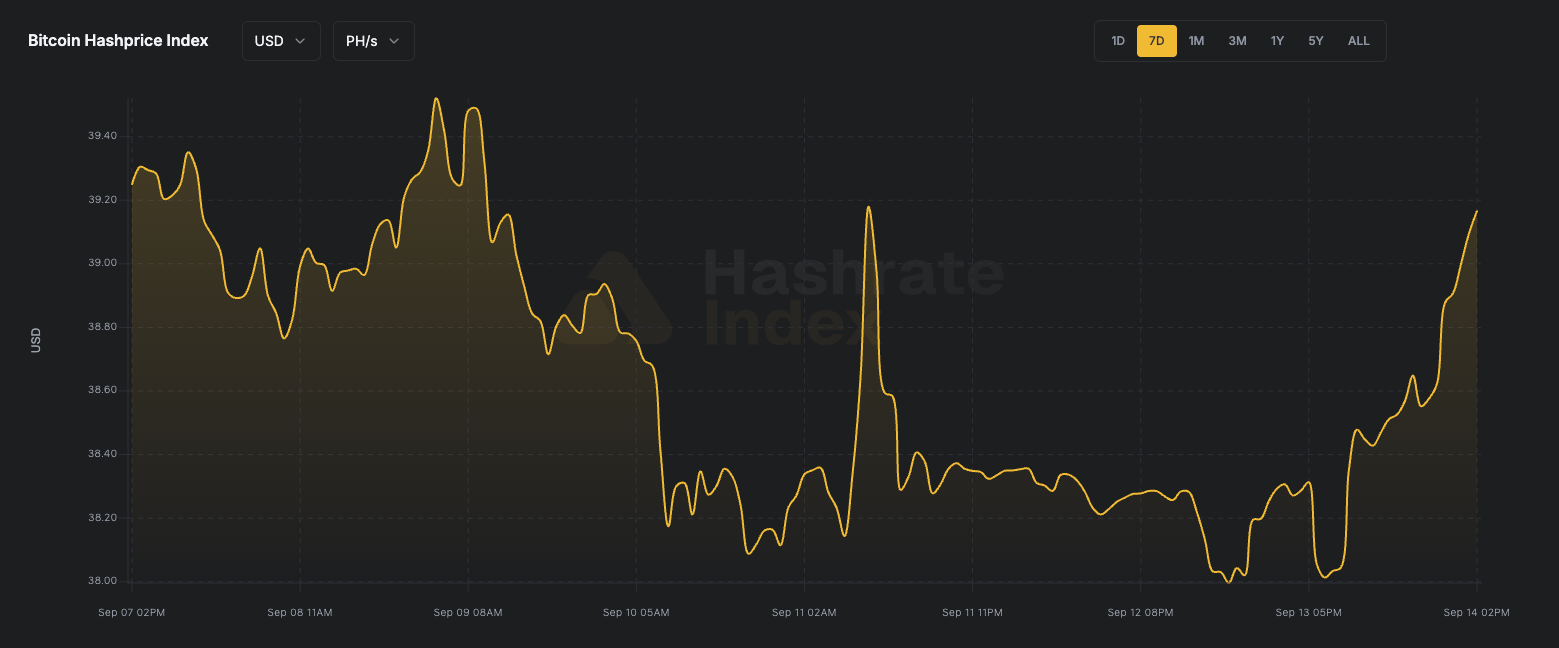
Driven by the substantial rally in Bitcoin’s spot price, the USD hashprice—a critical metric measuring the expected daily revenue of 1 TH/s of hashing power—experienced a welcome increase. The USD hashprice moved upward by 4.1%, shifting from $39.31 per PH/s/Day to a current level of $40.93 per PH/s/Day. Over a 24-hour comparison, the spot hashprice jumped 6.1% from $38.58, while the 7-day and 30-day averages hovered at $38.49 and $39.08, respectively.
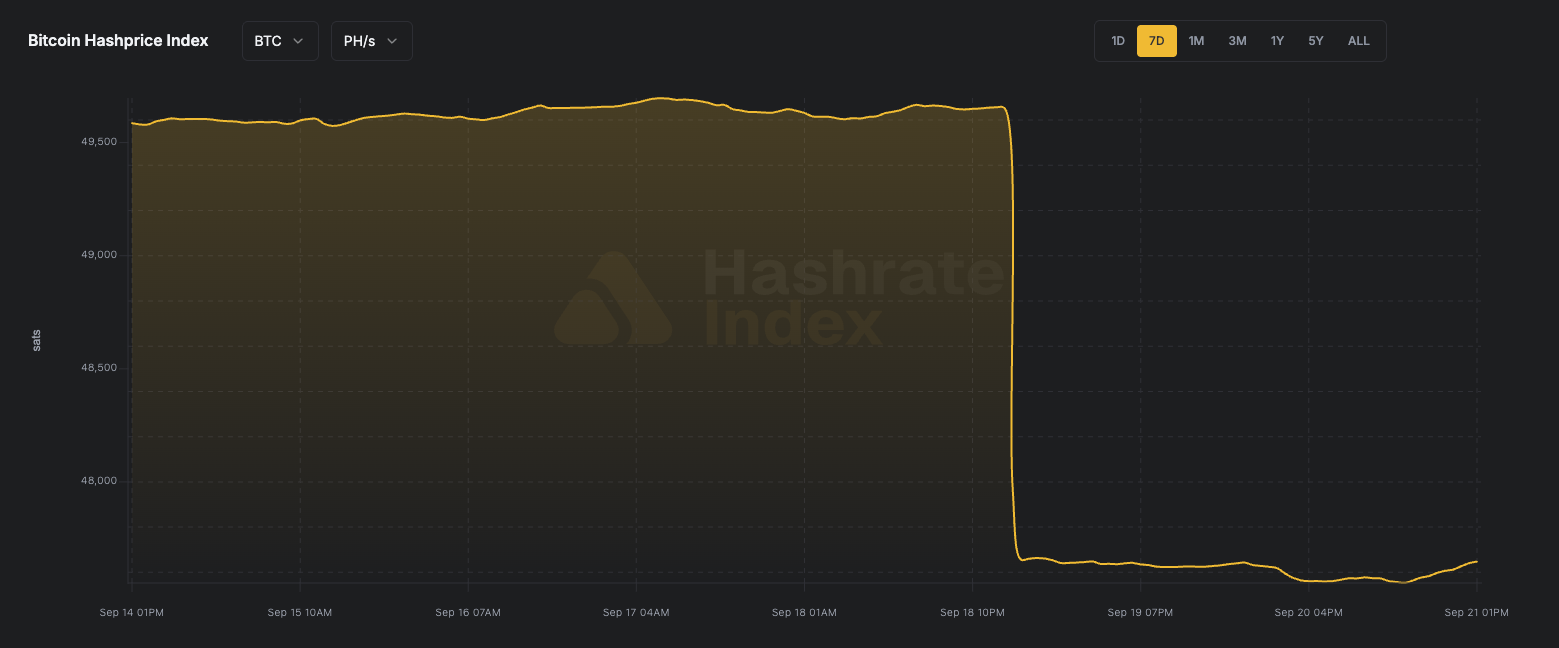
However, when viewed in native asset terms, the picture shifted slightly. The BTC hashprice moved downward by 3.9%, dropping from 0.00049594 BTC per PH/s/Day to 0.00047652 BTC per PH/s/Day over the course of the week. This divergence between USD and BTC denominations highlights the familiar reality of Bitcoin mining economics: when the fiat price of Bitcoin outpaces the growth in network hashrate and difficulty, USD-denominated revenues rise even as the proportional share of the network’s coin issuance earned per unit of hashrate contracts.
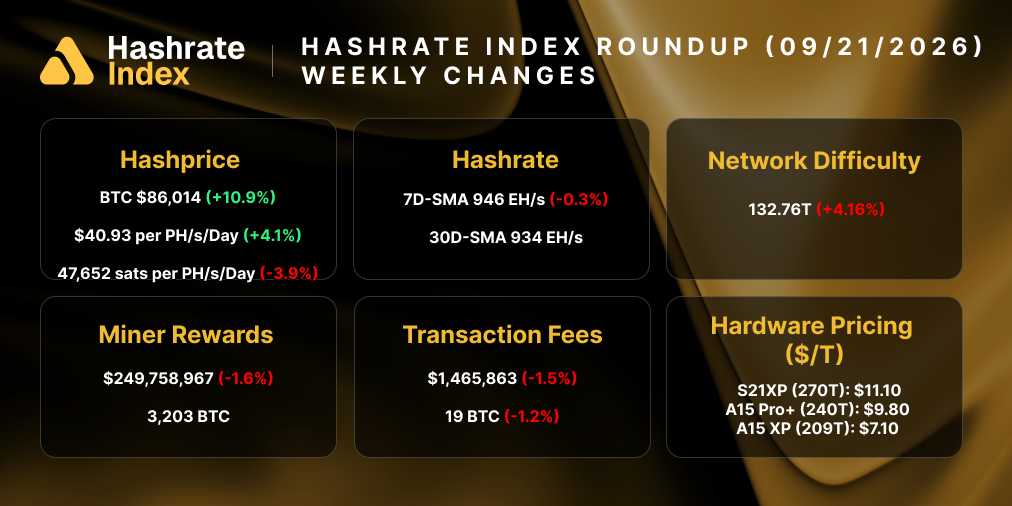
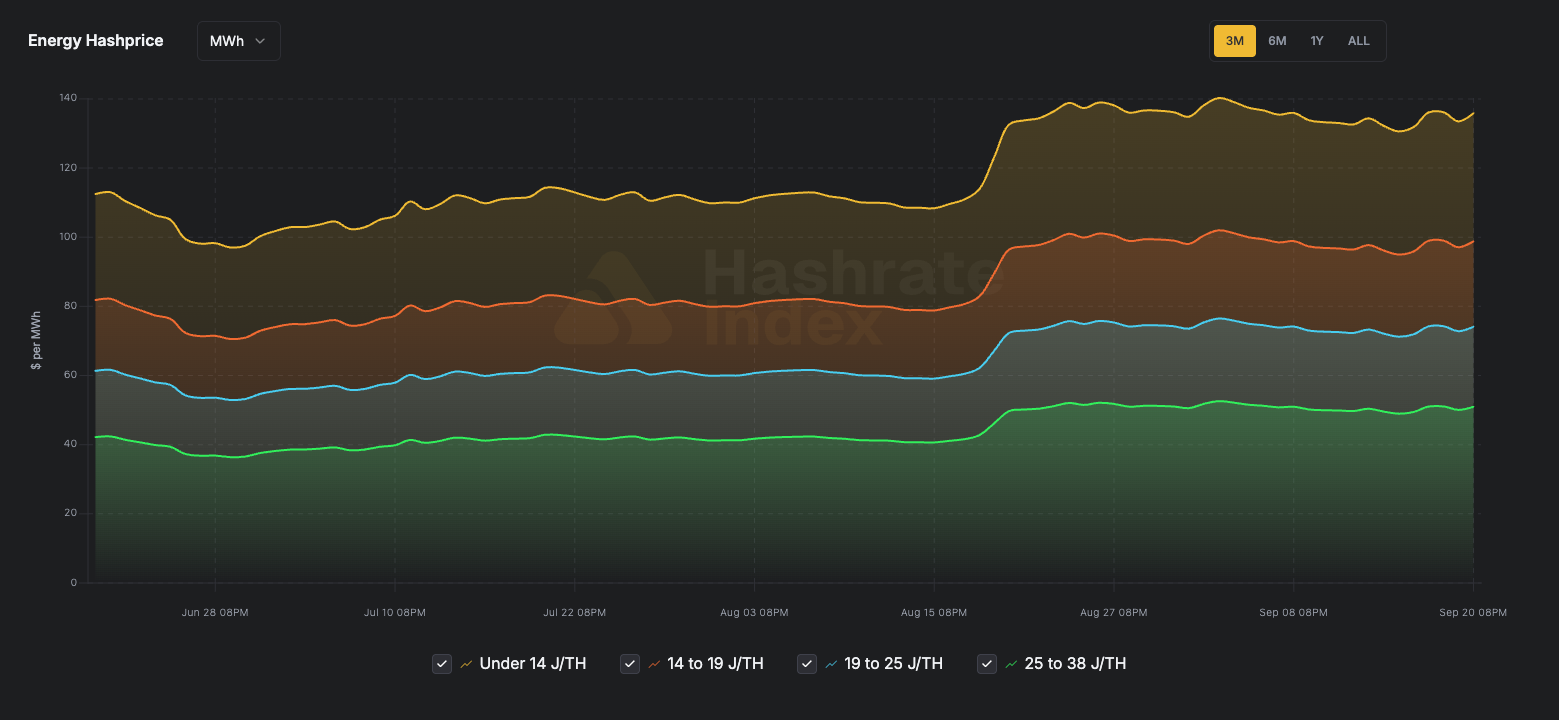
For many operators, operating right around the $40 per PH/s/Day threshold means running dangerously close to breakeven, depending heavily on localized electricity costs and fleet efficiency models. Miners utilizing older-generation rigs continue to face stiff operational challenges, while operators deploying high-efficiency hardware maintain a healthier buffer against energy costs. To combat these tight margins, many mining enterprises continue to turn to specialized firmware solutions, such as Luxor Firmware, to optimize power consumption and squeeze additional hashpower out of legacy and modern ASIC models alike.
Network Hashrate and Difficulty Adjustments
On the operational side, the Bitcoin network experienced a slight cooling off in total computational power. The network hashrate saw a minor contraction of 0.3%, with the 7-day simple moving average (SMA) sliding from 949 EH/s down to 946 EH/s. Meanwhile, the broader 30-day SMA stood firm at 934 EH/s, demonstrating that despite week-to-week fluctuations, the overarching compute power securing the network remains near historic highs.
The most recent difficulty adjustment, which took place on September 19, 2026, imposed a 4.16% upward correction, pushing network difficulty to 132.76T. Despite this increased computational hurdle, block times over the trailing 24-hour window averaged a slightly elevated 10 minutes and 11 seconds, indicating that blocks are being found at a pace marginally slower than the ideal 10-minute target.
Looking ahead to the next scheduled difficulty adjustment, early estimates point toward a potential downward correction. Current projections place the anticipated adjustment at approximately -1.80%, with the epoch expected to conclude around October 3, 2026. Industry analysts note, however, that because the network is still early in the current difficulty epoch, these initial projections carry a high degree of variance. As more blocks are mined and short-term statistical noise fades, the predictive signal will sharpen.
Transaction Fee Evolution
Transaction fees exhibited a mild recovery during the week, providing a modest tailwind for block rewards. Miners collected an average of 0.0191 BTC per block per day in transaction fees, marking a 4% increase compared to the previous week’s average of 0.0185 BTC.
Examining broader moving averages, the 14-day average for transaction fees settled at 0.0188 BTC—representing a 1.7% increase—while the 30-day average remained relatively flat at 0.0192 BTC, down a negligible 0.3%. While these fee levels are a far cry from periods of intense on-chain congestion or protocol-driven enthusiasm, the slight uptick offers a welcome addition to the foundational block subsidy.
Forward Markets and Industry Outlook
Looking further down the horizon, the hashrate derivatives and forward markets continue to price in stable conditions for the coming months. According to the Luxor Hashrate Forward Market, the forward curve is currently pricing in an average hashprice of $38.96, or roughly 0.00045 BTC, over a six-month window spanning from September 2026 through February 2027. This forward pricing suggests that market participants anticipate relative equilibrium between network hashrate growth and Bitcoin price action in the intermediate future.
Publicly traded Bitcoin mining equities also shared in the broader market’s enthusiasm, mirroring the upward momentum of the underlying commodity. Across the board, mining stocks closed out the week with predominantly positive weekly performance metrics. Companies such as CANG, BTBT, and ABTC posted double-digit gains, while major industry heavyweights like MARA, RIOT, IREN, and CLSK all registered robust week-on-week appreciation, reflecting a strong wave of investor confidence across the publicly listed mining sector.
 Cryptocurrency Mining
 Cryptocurrency Mining
 Cryptocurrency Mining