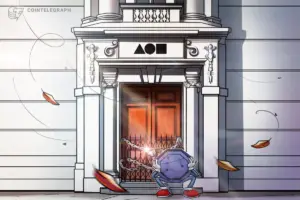
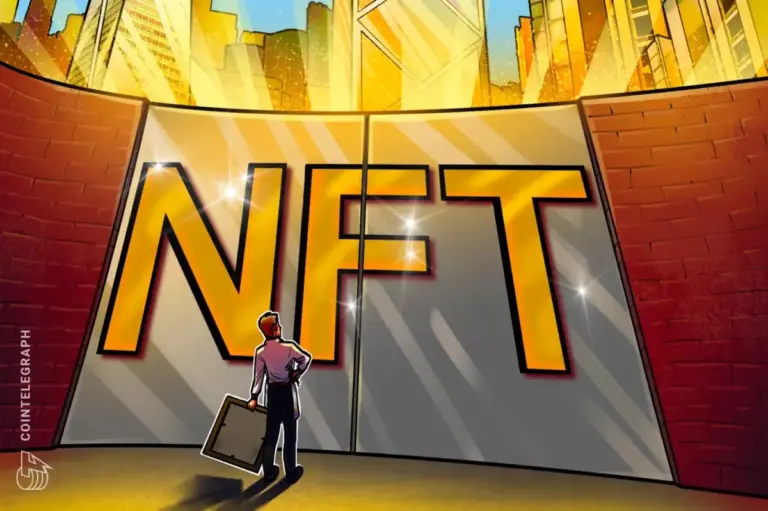
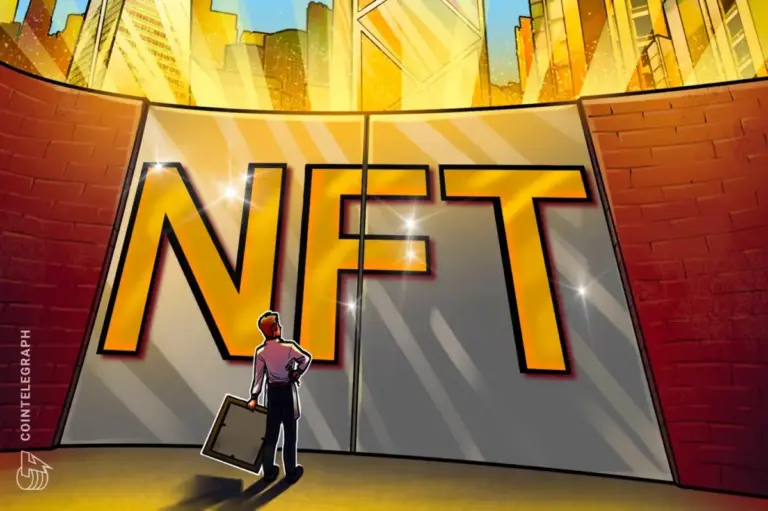
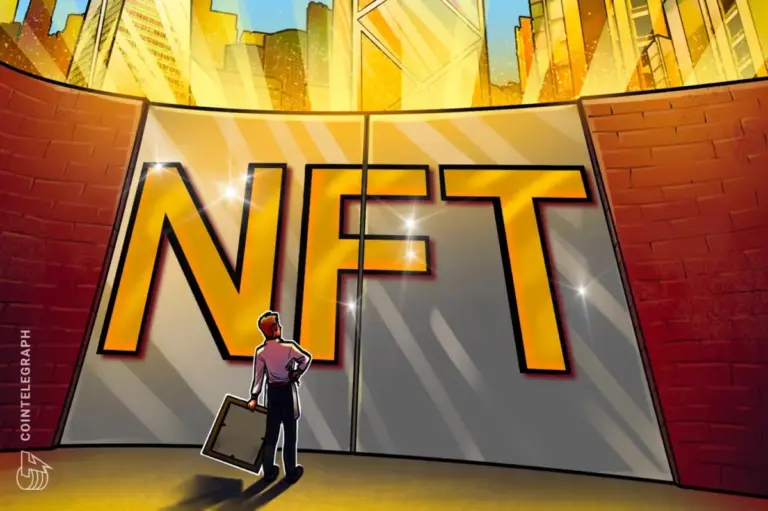
Foundation, one of the most prominent Ethereum-based non-fungible token (NFT) marketplaces that rose to prominence during the historic digital art boom of 2021, has officially shut down its platform. The permanent closure follows the abrupt collapse of an acquisition agreement that was intended to keep the business operational under new ownership.
Kayvon Tehranian, the founder and chief executive officer of Foundation, took to the social media platform X on Wednesday to formally announce the marketplace’s closure. The announcement came in the wake of a failed buyout attempt by Blackdove, a digital art distribution platform that had previously reached an agreement to acquire Foundation to ensure its continued survival within a shifting market landscape.
Although Tehranian did not directly reference Blackdove by name in his primary statement, he explained to his followers and platform users that the original objective of the sale had been to secure a sustainable path forward under fresh leadership. That objective, he noted, is no longer possible. Tehranian added that Foundation is simply not in a financial or operational position to bring the marketplace back online independently.
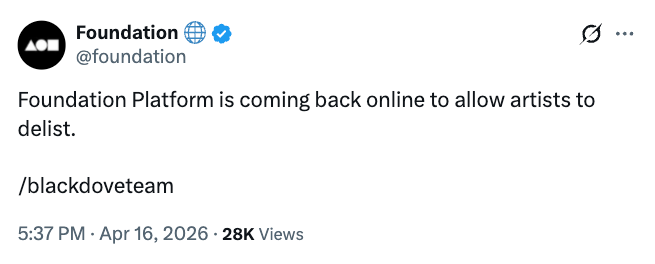
Following the announcement, Foundation posted a clarifying message signed by the Blackdove team, informing users that the website would briefly return to a functional state for a limited time. This temporary window was established specifically to allow creators, collectors, and traders to securely delist their NFTs and manage their digital assets before the platform went completely dark.
The sudden demise of Foundation highlights the severe, ongoing contraction in NFT trading activity that has gripped the cryptocurrency industry since the explosive market highs of 2021 and 2022. Persistently low liquidity and a massive drop in daily transaction volumes have left very few independent marketplaces with the financial resilience required to survive over the long term.
Foundation Rose in the 2021 Boom
Launched in early 2021, Foundation arrived precisely at the dawn of a transformative era for tokenized digital art. That year witnessed unprecedented public enthusiasm and staggering valuations across the blockchain space, highlighted by landmark moments such as digital artist Beeple selling an NFT collage for a record-breaking $69.3 million at a major auction house.
Throughout its operational lifespan, Foundation established itself as a premier destination for high-end digital creativity. According to retrospective data shared by Blackdove, the marketplace successfully facilitated more than $230 million in primary sales for artists scattered across the globe. The platform hosted high-profile NFT drops and sales for renowned visual artists such as Jen Stark, James Jean, and Reuben Wu, cementing its reputation as a cultural hub within the broader Ethereum ecosystem.
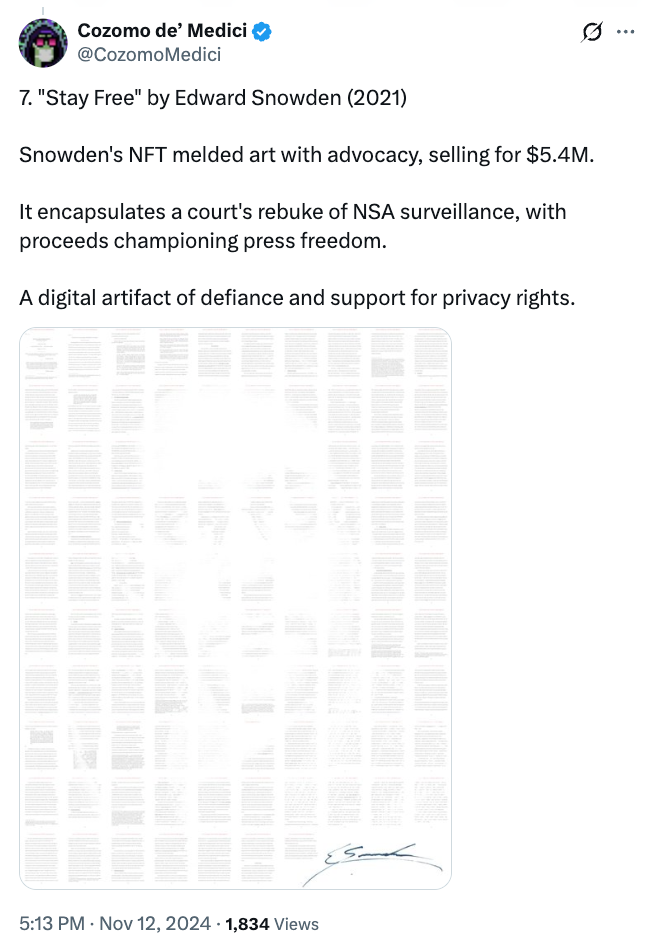
Beyond the traditional digital art community, Foundation also served as a venue for politically and socially charged blockchain projects. Most notably, the platform hosted an auction for a digital artwork created by prominent United States whistleblower Edward Snowden. Snowden’s NFT piece, titled "Stay Free," featured a visual representation of a federal court ruling on mass surveillance layered over a portrait of the whistleblower. The piece successfully sold for approximately 2,200 Ether in 2021, commanding a market value of roughly $5 million at the time of the transaction.
However, as the broader macroeconomic and crypto-native enthusiasm cooled following the peak of the NFT market in 2022, specialized platforms like Foundation encountered mounting pressure. Shrinking liquidity pools and fewer sustainable transaction flows steadily eroded profit margins and operational revenues. Recognizing these headwinds, Blackdove initially announced its intention to acquire Foundation in early 2025, with plans for the platform to transition its ownership structure over the course of the following year. Unfortunately, those rescue efforts ultimately unraveled, sealing the fate of the once-celebrated marketplace.
NFT Market Consolidation Deepens
Foundation’s permanent closure contributes to a rapidly growing wave of consolidation, shutdowns, and strategic pivots across the digital collectibles sector. As of February 2026, the cumulative market capitalization of the entire NFT sector has shrunk back down to the pre-hype levels last observed during the early days of 2021.
The distress is not isolated to Foundation. Mint Blockchain, an NFT-linked infrastructure network built natively on Ethereum, formally announced that it has ceased its operations and strongly instructed all remaining users to withdraw their assets from the protocol.
The turbulence has accelerated significantly over the course of the year. At least two other prominent NFT platforms have publicly announced plans to wind down their operations entirely. This includes Nifty Gateway, the digital art marketplace backed by the Gemini cryptocurrency exchange, as well as Rodeo, a community-driven social NFT platform that struggled to maintain user engagement amid dwindling market participation.
The current wave of exits follows a trail of similar closures from previous years. MakersPlace shut down its operations amid a prolonged slump in decentralized art trading activity, while X2Y2 wound down its marketplace operations and executed a complete pivot away from NFTs. Furthermore, major mainstream crypto exchanges have trimmed their product offerings, with Bybit formally shutting down its dedicated NFT marketplace as trading volumes dried up across retail and institutional segments alike.
Despite the widespread contraction and the loss of major independent players, a stark division remains within the surviving infrastructure. OpenSea has successfully maintained its status as the dominant market leader despite the protracted sectoral downturn. According to network statistics provided by DefiLlama, OpenSea accounted for more than 73% of all trading activity across the entire NFT sector at the time of publication, fending off persistent competition from rival platforms such as Blur.
Even as trading volumes languish far below their historical peaks, select figures within the broader blockchain industry maintain an optimistic outlook regarding the long-term utility of tokenized ownership. Animoca Brands chairman Yat Siu has previously expressed confidence that the sector possesses the underlying technological foundation required to eventually stage a substantive recovery, predicting that digital collectibles could one day surpass their previous all-time highs as web3 adoption matures and finds new avenues for cultural and economic integration.
 Non-Fungible Tokens (NFTs)
 Non-Fungible Tokens (NFTs)
 Non-Fungible Tokens (NFTs)