The country’s financial regulators are stepping up their earlier restrictions from mobile applications to official websites, decisively targeting unregistered foreign platforms before local investors report financial losses.
South Korea is intensifying its sweeping regulatory campaign against foreign digital asset platforms, moving to block access to the websites of 27 unregistered cryptocurrency exchanges. The latest enforcement wave targets several major international trading desks, including KuCoin, BitMart, MEXC, and Phemex, effectively closing off alternative digital pathways for domestic users attempting to trade on platforms that lack official authorization.
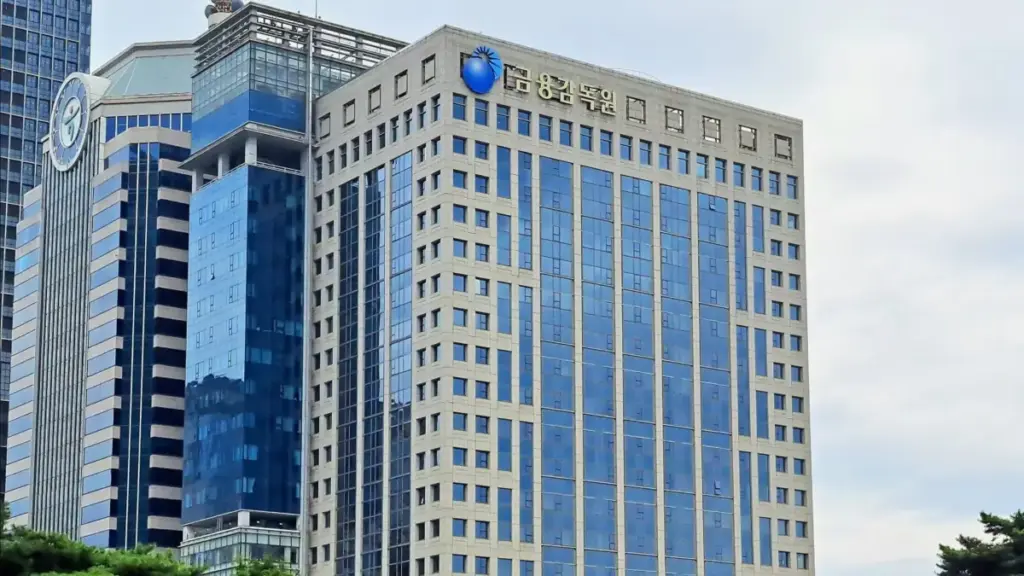
The country’s Financial Intelligence Unit (FIU) announced the enforcement action following comprehensive reviews conducted by the Korea Communications Standards Commission. According to the financial watchdog, websites operated from overseas jurisdictions will face immediate domain-level blocks, while platforms maintaining domestic operational footprints will face mandatory service terminations.
This decisive regulatory step represents a significant escalation in South Korea’s ongoing efforts to safeguard its domestic financial ecosystem. Last year, authorities successfully restricted access to the mobile applications of these same unauthorized exchanges on major software marketplaces like Google Play and Apple’s App Store. However, noticing that users continued to access these platforms via desktop and mobile web browsers, regulators have now closed that loophole. Under current operational protocols, the FIU possesses the authority to seek immediate website blocks the moment it detects unauthorized virtual asset activity, operating proactively without needing to wait for a formal court ruling or awaiting evidence that domestic customers have already suffered financial losses.
While the financial watchdog did not specify an exact duration for the website restrictions, nor did it establish a definitive grace period or deadline for the targeted exchanges to come into compliance, the legal pathway for operation remains clear. Any international or domestic exchange wishing to legally service South Korean customers must formally register with the FIU and fully comply with the nation’s stringent security frameworks and anti-money laundering (AML) regulations.
Representatives from major exchanges have begun responding to the widening regulatory dragnet. "We respect applicable laws and regulations across jurisdictions and continuously strengthen our compliance framework in response to evolving regulatory requirements," a spokesperson for KuCoin stated following the announcement. The exchange further reassured its client base, noting, "User assets remain safe and secure, and we will communicate any further updates through our official channels." Other targeted platforms, including BitMart, Phemex, and MEXC, did not immediately respond to requests for comment regarding the website blocks.

The regulatory crackdown unfolds against a backdrop of broader legislative and structural reforms within South Korea’s financial sector. The nation’s proposed Digital Asset Basic Law, which is still advancing through the legislative process, aims to establish a comprehensive foundational legal framework for the entire digital asset industry. This upcoming legislation is designed to govern everything from token issuance and secondary trading to custody solutions and robust market supervision.
Complementing these legislative efforts, the Financial Services Commission and the Financial Supervisory Service implemented rigorous new operational rules designed to combat fraud and market manipulation. Among these measures are mandated, unified crypto withdrawal delays, effectively stripping individual exchanges of the discretion they previously held that allowed users to bypass designated holding periods.
The FIU revealed that it has already referred 44 unregistered operators to law enforcement investigators. Furthermore, regulators have signaled that they will proactively seek additional blocks against any blocked websites that attempt to circumvent the ban by reopening under alternative web addresses. Presently, only 28 virtual asset service providers maintain proper registration with the South Korean regulator, highlighting a massive compliance gap in the broader market.
As the enforcement actions take effect, the financial watchdog issued direct warnings to domestic traders, noting that individuals utilizing unauthorized platforms could face severe difficulties recovering their funds if a platform fails or experiences insolvency. To mitigate potential fallout, the FIU announced it is actively cooperating with the Digital Asset eXchange Alliance (DAXA), a prominent domestic industry association, to assist affected customers in safely withdrawing their assets where access restrictions have created logistical hurdles. Regulators strongly urged all local investors to independently verify whether their chosen exchange is properly registered and to proactively withdraw any remaining assets from unauthorized operators.
The tightening regulatory environment comes at a time of notable capital migration within South Korea’s crypto economy. Driven largely by increasingly strict domestic trading rules and compliance hurdles, local investors have gradually shifted substantial amounts of capital overseas over the past several months. Industry estimates indicate that an impressive $110 billion in cryptocurrency left domestic exchanges throughout the previous year, underscoring the complex dynamic between stringent local consumer protection policies and the global mobility of digital assets.
 Cryptocurrency News
 Cryptocurrency News
 Cryptocurrency News