The 2026 FIFA World Cup served as a massive catalyst for decentralized technology, driving an unprecedented $20 billion in blockchain-based prediction market volume alongside $24 million in digital collectible trades, according to a comprehensive new report released by blockchain analytics firm Chainalysis.
The report highlights a watershed moment for the intersection of major global sporting events and decentralized finance, capturing widespread international engagement across more than 400,000 distinct wallets that actively participated in blockchain-based betting throughout the tournament’s lifecycle.
The staggering $20 billion aggregate figure encompasses speculative trading both in the build-up to the tournament and during the matches themselves. According to the Chainalysis data, sports enthusiasts and speculators placed roughly $5.7 billion in wagers during the intensive five-week window of the World Cup alone. This immense wave of activity cemented the tournament’s dominance over the broader decentralized finance landscape during that timeframe, with World Cup-related markets accounting for approximately 63 percent of all prediction market activity globally across the duration of the event.
The geographic footprint of this blockchain-powered engagement proved to be truly global in scale. Users from every continent except Antarctica accessed and participated in the World Cup prediction markets, demonstrating a remarkably broad international appetite for decentralized sports forecasting. When broken down by attributable trading volumes, the United States and China emerged as the leading regional markets, generating the highest levels of financial activity. They were followed closely by Canada, Thailand, and the United Kingdom, illustrating strong adoption across both Western economies and Asian markets.
Despite the immense scale of betting activity and the rapid influx of capital into decentralized prediction protocols, illicit participation remained remarkably limited. Chainalysis reported that fewer than one percent of all wallets participating in the World Cup prediction markets showed any direct ties to illicit actors. However, the analytics firm did identify roughly $5.4 million in financial flows originating from sanctioned entities and other illicit sources, underscoring the ongoing challenges that decentralized platforms face regarding compliance and sanctions screening as they scale to meet mainstream demand.
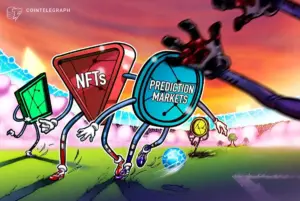
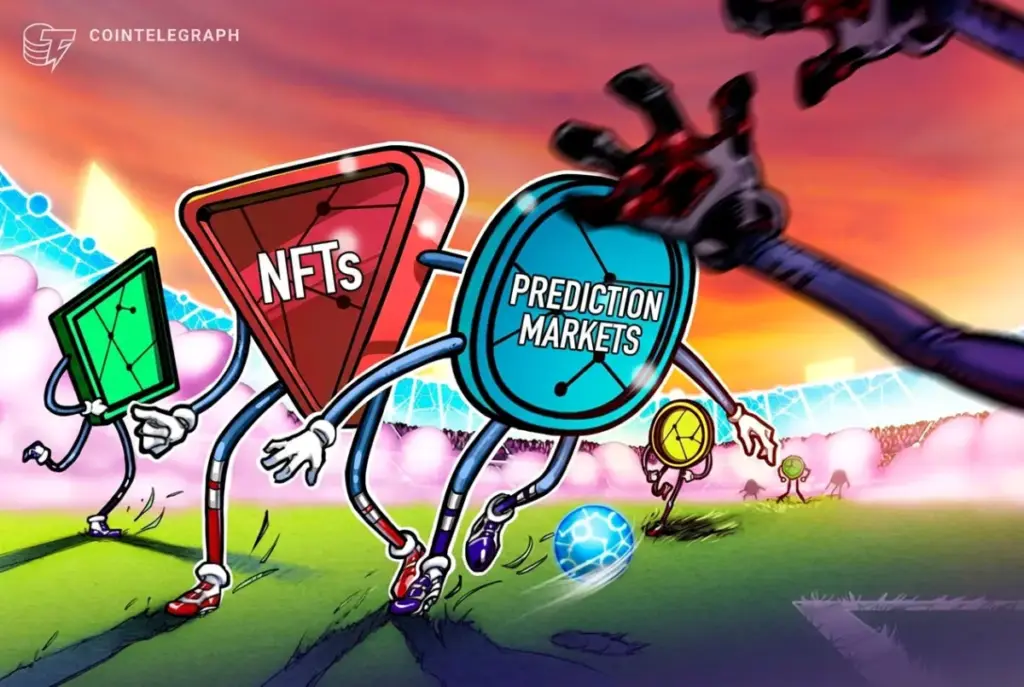
Beyond the surge in speculative betting, the Chainalysis report also shed light on the rapidly growing mainstream adoption of blockchain-based digital collectibles and ticketing infrastructure. Fans enthusiastically traded approximately $24 million worth of FIFA Collect NFTs throughout the tournament, demonstrating a persistent appetite for digital ownership linked to marquee athletic achievements. Furthermore, the platform played a critical logistical role in the distribution of event access, with more than 100,000 match tickets successfully distributed through the blockchain-backed platform.
Security and compliance measures integrated within the official ticketing and collectible ecosystem appeared to yield tangible results. Wallets linked to sanctioned entities accounted for less than 0.01 percent of all FIFA Collect users. Chainalysis attributed this exceptionally low rate, in part, to the platform’s rigorous identity verification requirements, which successfully filtered out unauthorized actors while still accommodating hundreds of thousands of legitimate sports fans.
Looking ahead, Chainalysis concluded that these findings strongly suggest blockchain technology will play an increasingly prominent role in major global events going forward. At the same time, the analytics firm underscored the critical importance of robust compliance measures, noting that as these platforms continue to attract broader participation from the general public, maintaining strict regulatory standards will be essential for ensuring the integrity and long-term viability of decentralized applications on the global stage.
 Non-Fungible Tokens (NFTs)
 Non-Fungible Tokens (NFTs)
 Non-Fungible Tokens (NFTs)