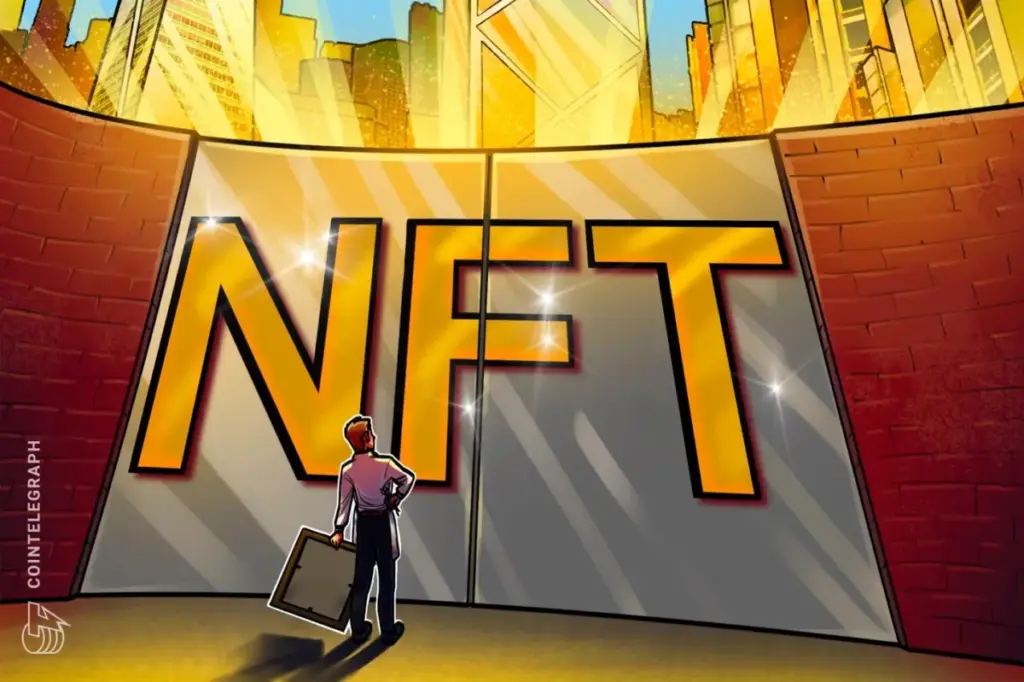
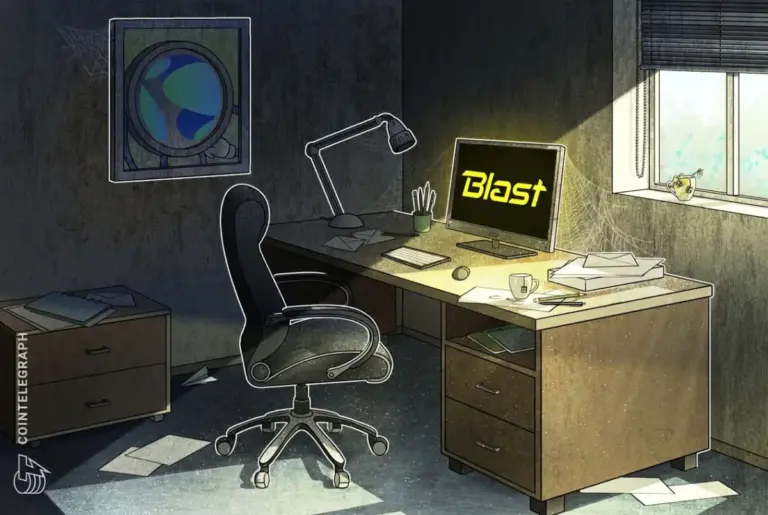
In a surprise announcement posted on X on Monday, marking the platform’s first communication on the social media network in more than a year, Blur revealed that its user-facing website frontend will officially close on November 12. However, the platform noted that its underlying smart contracts and onchain marketplace will remain operational for those wishing to interact with them directly.
Alongside the frontend closure, Blend, the peer-to-peer perpetual NFT lending protocol developed by the ecosystem, will also cease matching new loans. According to the platform’s announcement, borrowers utilizing the protocol have until November 12 to fully repay their outstanding loans or risk allowing them to default. Blur has assured users that a dedicated withdrawal interface will be made available following the shutdown to facilitate asset retrieval.
Rather than drawing universal sympathy, the abrupt wind-down announcement reignited sharp criticism from a segment of the digital art and collectibles community that holds the platform responsible for long-term structural damage to the broader NFT economy.
"Good riddance. You destroyed NFTs. Please shut down and never come back," wrote prominent NFT collector Cryptobscure in a direct reply to the announcement on X.
Another well-known community member, starfruit, echoed these sentiments in a separate post, writing, "You may not have been able to complete your mission to destroy NFTs. But you acted with extreme determination and tried everything. Congratulations to us for surviving you."
A Controversial Legacy of Trading Incentives and Royalties
The platform’s farewell post quickly opened old wounds, drawing renewed criticism toward the aggressive token incentives and market strategies that propelled Blur to the pinnacle of the NFT charts back in 2023. By introducing optional creator royalties alongside lucrative token rewards, Blur successfully incentivized a generation of traders to aggressively bid on and quickly flip digital assets, fundamentally altering market dynamics.
This rapid ascent accelerated a broader industry shift toward lower creator royalties. Following Blur’s market pressure, rival marketplace OpenSea later implemented optional creator fees for newly listed collections, abandoning its previously strict enforcement policies.
Blur officially launched on October 19, 2022, entering the market with a model that permitted sellers to customize their royalty payments while offering larger prospective token rewards to traders who opted to pay higher creator royalties. However, the marketplace entered a competitive arena where royalty protections were already beginning to erode. Competing marketplace Magic Eden had shifted its policy to optional royalties just the previous week.
The race to the bottom in creator compensation had immediate, measurable effects on the ecosystem. By July of the following year, blockchain analytics platform Nansen reported that effective creator royalty fees had plummeted to an average of just 0.6% in July 2023, down sharply from an average of 2.5% throughout 2022. Nansen attributed a significant portion of this decline directly to Blur’s explosive market growth, its minimum royalty policy, and the subsequent defensive measures taken by OpenSea to lower its own royalty requirements in order to remain competitive.
NFT Sales Slump From Boom-Era Highs
Blur did not publicly disclose the specific strategic reasons behind its decision to shutter its frontend interface and wind down new lending activity on the Blend protocol. The move arrives, however, at a time when the wider NFT trading sector continues to languish far below the historic heights achieved during the pandemic-era digital asset boom.
Recent transactional metrics paint a stark picture of the market’s contraction. Comprehensive data compiled by CryptoSlam indicates that total NFT sales volume for the month of September stood at $167 million across roughly 2.9 million total transactions. These figures represent a stark contrast to the historic peak recorded in January 2022, when the market generated an astonishing $6 billion in sales volume across 13.7 million transactions.
The broader marketplace environment has experienced a wave of contractions, mergers, and closures as companies struggle to maintain viable business models amid depressed volumes. Earlier in the year, Gemini-owned platform Nifty Gateway and social collecting platform Rodeo both announced plans to wind down their respective operations in January. Meanwhile, Foundation announced its own permanent closure in April after a prospective company sale intended to keep the platform operating ultimately fell through. Major centralized entities have also reassessed their digital collectible strategies; Binance officially ended direct NFT support across its core exchange platform, shifting remaining asset management responsibilities over to the standalone Binance Wallet.
Cointelegraph reached out to Blur founder Tieshun "Pacman" Roquerre for additional comment regarding the platform’s upcoming closure and the future of its underlying protocol infrastructure.
 Non-Fungible Tokens (NFTs)
 Non-Fungible Tokens (NFTs)
 Non-Fungible Tokens (NFTs)