TOKYO — Global financial markets experienced a severe liquidity shock following a decisive policy shift in Tokyo, where Japan’s Ministry of Finance signaled plans to taper the issuance of Japanese Government Bonds (JGBs) extending beyond the 40-year duration. The announcement, intended to streamline long-term debt management, provoked an immediate and unexpected backlash from domestic institutional buyers. Life insurers, long reliant on ultra-long sovereign paper to match their long-term liabilities, balked at the anticipated reduction in supply. This resistance sent shockwaves through the sovereign debt market, propelling the 30-year JGB yield above 3.1% for the first time since 2008.
The sudden spike in Japanese borrowing costs acted as a catalyst for a massive unwinding of global leverage. According to data from the FINPULSE 360 Macro Telemetry & Quantitative Desk Review, the bond market disruption triggered a staggering $180 billion liquidation of yen-funded carry trades in the span of just one week. As investors scrambled to cover positions financed by historically cheap yen borrowing, the US dollar-yen exchange rate swung by four full figures, sending ripples of volatility across global equity, commodity, and digital asset markets.
The events of late October 2026 underscore the delicate interconnectedness of global liquidity and Japanese monetary policy. For years, the yen has served as the premier funding currency for global speculation, allowing institutional and retail investors to borrow at ultra-low rates in Japan and invest in higher-yielding, riskier assets abroad. When the foundation of this architecture shifted—marked by higher domestic yields and a strengthening currency—the abrupt reversal forced a rapid deleveraging cycle that caught many global risk desks off guard.
Regime & Structural Overview
The structural implications of the Ministry of Finance’s policy adjustment extend far beyond domestic debt management. By signaling a reduction in the issuance of ultra-long debt, the ministry inadvertently exposed the deep reliance of Japanese institutional investors, particularly life insurers and pension funds, on a steady supply of high-duration assets. When these key buyers balked at the perceived scarcity and demanded higher compensation for holding long-term risk, the resulting yield curve steepening reverberated directly into foreign exchange and global risk markets.
The foreign exchange ramifications were immediate. The dollar-yen pair experienced intense downward pressure as the currency rallied sharply in response to the narrowing interest rate differentials and the repatriation of capital. A four-yen swing in a matter of days disrupted hedging programs and forced levered funds to liquidate holdings across multiple asset classes to meet margin calls. This liquidity drain transformed what began as a domestic sovereign debt technicality into a full-scale global risk asset correction, demonstrating how rapidly localized monetary and fiscal adjustments can destabilize worldwide cross-border investment flows.
Quantitative Model Signal
Quantitative models monitoring systemic macro telemetry registered a decisive shift in market posture following the policy announcement. According to the FINPULSE 360 Quantitative Desk, the prevailing model signal turned decidedly bearish for broader risk assets and the leveraged yen carry trade. The rapid unwinding of cross-border speculative positions created an immediate liquidity vacuum, penalizing assets that had previously benefited from cheap yen funding.

Conversely, the quantitative framework highlighted clear pockets of resilience and opportunity within the Japanese domestic financial sector. The model flashed a strong bullish signal for Japanese bank stocks and institutional portfolios heavily exposed to domestic debt. Higher sovereign yields and a structurally steeper yield curve directly enhance the net interest margins of traditional lenders, offering a stark contrast to the headwinds facing speculative global equities and high-beta instruments.
Expansion Case & Confirmation
A deeper examination of the structural dynamics reveals clear winners and losers within the shifting Japanese financial landscape. Japanese commercial banks and major life insurers, which historically grappled with compressed profitability during decades of ultra-loose monetary policy and near-zero yields, stand to benefit substantially from the higher yield environment. An upward shift in the yield curve allows these institutions to generate healthier returns on their massive domestic bond holdings and new lending books.
At the same time, the appreciation of the yen introduces a nuanced dynamic for the domestic consumer economy. While a stronger currency can present challenges for Japan’s massive export-oriented manufacturing sector by making goods less competitive abroad, it simultaneously boosts consumer purchasing power. Imported energy and food costs, which have weighed heavily on households in recent years, stand to moderate, potentially providing a welcome offset to corporate headwinds through strengthened domestic demand.
Defensive Invalidation & Risks
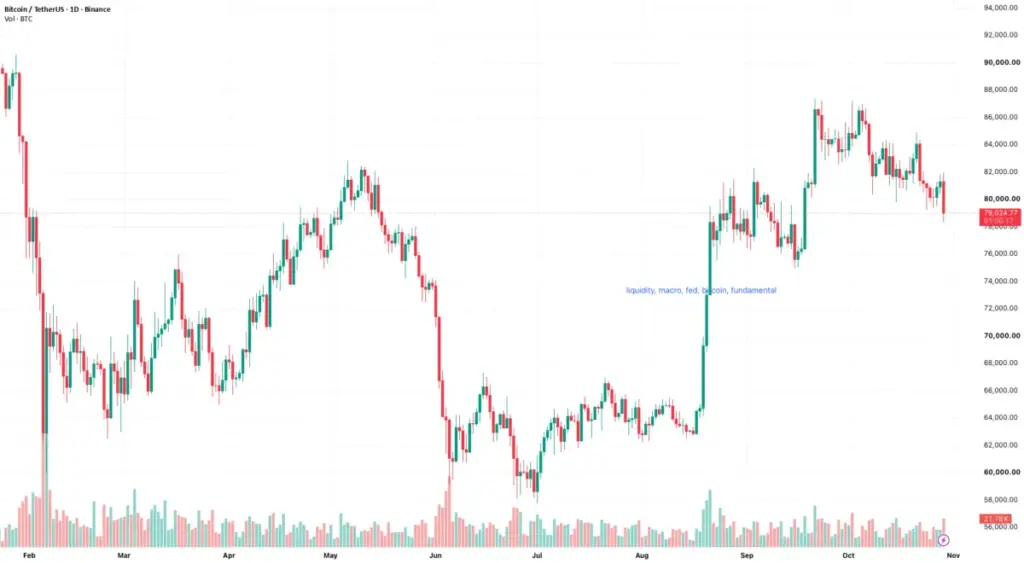
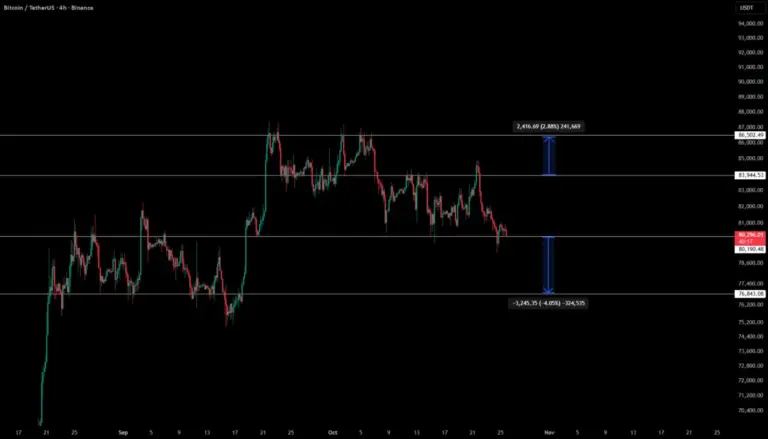
On the opposing side of the ledger, the rapid evaporation of $180 billion in carry trade liquidity posed an immediate threat to global risk sentiment. High-beta sectors, particularly technology equities and digital assets, found themselves on the front lines of the liquidity drain. Without the steady influx of cheap speculative capital that characterized much of the prior market regime, these sectors experienced sharp downward corrections as leveraged positions were forcibly closed.
Cryptocurrency markets proved particularly vulnerable to the systemic shock. Quantitative telemetry noted that altcoins exhibited a severe 1.82x beta amplification relative to traditional equity indices, suffering disproportionate drawdowns as liquidity retreated from the farthest edges of the risk spectrum. Market participants heavily exposed to leveraged growth assets were forced into defensive postures, highlighting the fragility of markets reliant on continuous cross-border monetary arbitrage.
The FINPULSE 360 Quantitative Macro Desk emphasized that these observations reflect underlying systemic collateral dynamics rather than isolated trading anomalies. As global markets adjust to a reality of higher Japanese sovereign yields and a less accommodating funding environment, institutional researchers continue to advise strict adherence to disciplined risk management and prudent position sizing across all asset classes.
 Crypto Investing & Trading
 Crypto Investing & Trading
 Crypto Investing & Trading