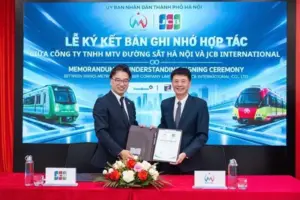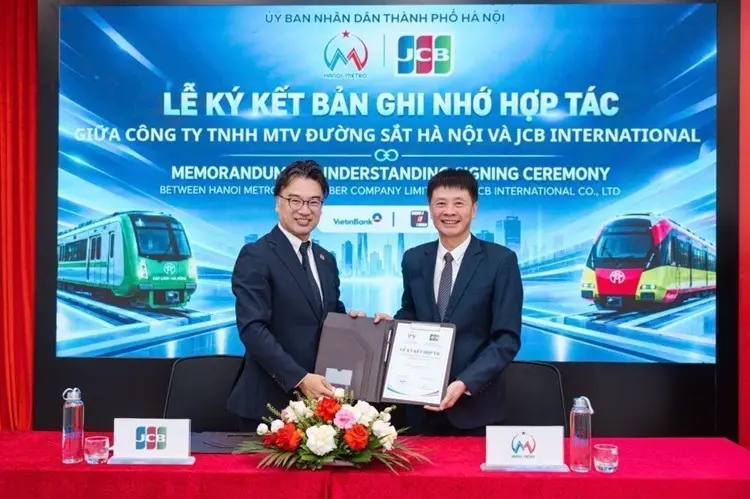
HANOI, Vietnam — In a significant milestone for urban mobility and digital commerce in Southeast Asia, JCB International Co., Ltd.—the international operations subsidiary of JCB Co., Ltd., Japan’s sole proprietary international payment brand—has announced a strategic partnership with Hanoi Metro One Member Limited Liability Company. The two organizations formally signed a Memorandum of Understanding in Hanoi, setting the stage for the integration of JCB contactless payment solutions directly into the Vietnamese capital’s growing urban railway infrastructure.
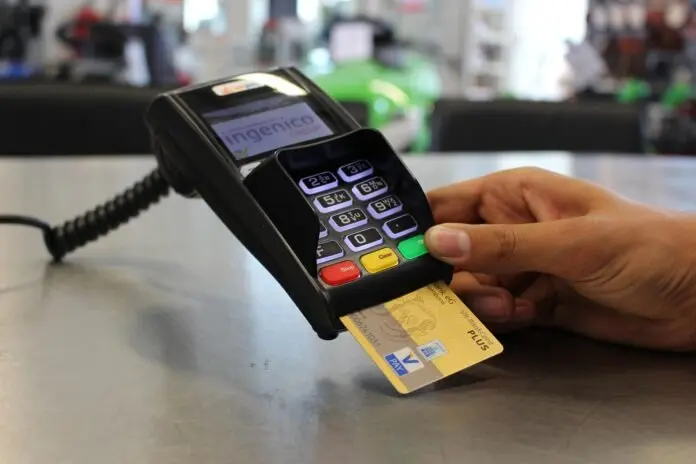
Under the terms of the newly established agreement, the implementation of JCB transit technology is slated for an official launch in early 2027. Once operational, this collaborative initiative will enable holders of JCB contactless cards, as well as users of compatible wearable devices and smartphones linked to their accounts, to tap directly at the metro station fare gates. The system is designed to eliminate traditional friction points associated with public transit ticketing, offering daily commuters and international visitors a fast, streamlined, and entirely seamless travel experience across Hanoi’s rail lines.
The introduction of this advanced transit payment capability represents a crucial advancement in JCB’s broader corporate strategy to expand its contactless payment footprint across essential public transportation networks worldwide. Furthermore, it directly aligns with national objectives in Vietnam to foster a comprehensive, modern, and inclusive cashless payment ecosystem. By modernizing the fare collection infrastructure, the partnership aims to reduce operational bottlenecks at stations, lower cash-handling overhead for transit operators, and align Hanoi’s urban public transit standards with those of major metropolitan centers globally.
For international travelers, the upcoming service promises unprecedented convenience. Navigating public transportation in a foreign city often presents administrative hurdles, such as purchasing single-journey paper tickets, deciphering local automated vending machines, or acquiring specialized local transit smartcards that require exact cash or local currency. With the integration of JCB transit, visitors arriving in Hanoi from key international source markets—including Japan, South Korea, Taiwan, and other regional and global destinations where JCB maintains a robust cardmember base—will be able to utilize their familiar, home-issued payment instruments directly at the turnstiles. This eliminates the necessity of purchasing separate transit passes or carrying local paper currency specifically for daily rail commutes, simplifying the overall travel journey from touchdown to destination.
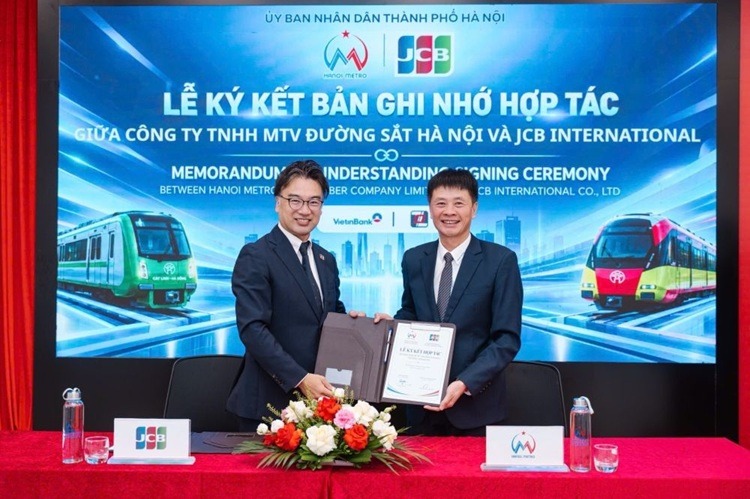
Reflecting on the strategic importance of this cooperative agreement, Takumi Takahashi, Executive Vice President of JCB International Co., Ltd., shared his perspective on the partnership and its anticipated benefits for the region.
“JCB International is delighted to collaborate with Hanoi Metro to introduce JCB transit in Hanoi,” Takahashi stated during the partnership announcement. “We hope this service will provide greater convenience to JCB Cardmembers and contribute to the development of a modern and cashless public transportation ecosystem in Vietnam.”
The collaboration arrives at a dynamic time for Hanoi’s public transit sector. As the capital city continues to expand its urban railway network to mitigate traffic congestion and curb environmental emissions, integrating frictionless, open-loop payment systems is viewed by municipal planners as a critical component of sustainable urban development. Open-loop architecture allows transit systems to accept standard bank-issued contactless cards directly, bypassing proprietary closed-loop ticketing systems and offering superior interoperability for both residents and tourists.
Following the formal signing of the Memorandum of Understanding, leadership teams from both JCB International and Hanoi Metro are set to embark on the intensive operational phase of the project. The coming months will involve rigorous technical integration, system testing, hardware deployment at station gates, and staff training to ensure the infrastructure meets the highest standards of reliability, speed, and cybersecurity. Both entities have committed to working closely together through every phase of development, keeping the project firmly on track for its scheduled rollout in the early months of 2027.
 FinTech News
 FinTech News
 FinTech News