When traders execute transactions on the Robinhood Chain, there is a strong possibility that a hook is operating behind the scenes. These specialized Uniswap v4 extensions dictate the operational mechanics of decentralized liquidity pools, determining everything from fee collection protocols and token launch configurations to integrated gamification features. According to recent developer metrics, builders deploying applications on Robinhood’s Layer 2 network have registered a greater volume of these custom extensions than on any alternative blockchain ecosystem.
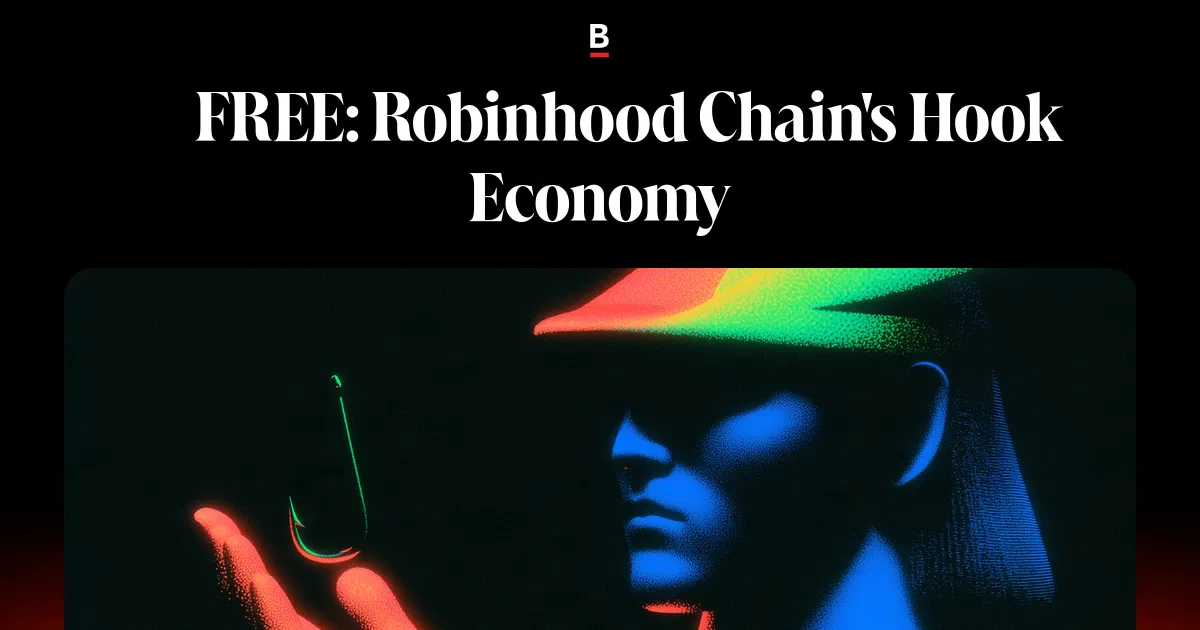
The widespread adoption of these tools highlights a broader evolution in how decentralized liquidity is structured, moving away from rigid, one-size-fits-all automated market maker models toward programmable, highly customizable trading environments. Industry analysts and market participants have begun tracking how these extensions reshape market dynamics, project launches, and user engagement across the network.

In a recent public appearance on November 5, Robinhood CEO Vlad Tenev addressed the ecosystem’s rapid growth during an AMA session hosted on X. When asked whether hook-based markets were a primary focus for expansion or if the platform’s strategic priority remained centered on tokenized traditional equities, Tenev offered a concise reply: "Both." He further noted that hooks represent the natural outcome of what occurs when developers are given creative autonomy within an open chain architecture.

This official endorsement underscores a trajectory that has materialized swiftly since the Robinhood Chain officially launched on July 1. In just four months of operation, the Layer 2 network has transformed from a newly minted scaling solution into the most densely populated testing ground for Uniswap v4 hooks in the broader blockchain industry. The rapid proliferation of these tools has caught the attention of developers and traders alike, prompting a closer examination of how programmable liquidity mechanisms function in practice.

Understanding the Mechanics of Uniswap v4 Hooks
To understand the current activity on the Robinhood Chain, it is helpful to review the core mechanics of Uniswap v4 hooks. At its foundational level, a hook is a specialized smart contract that a Uniswap v4 liquidity pool interacts with at predetermined moments during its operational lifecycle. These execution points occur immediately before or after a swap takes place, or whenever a liquidity provider deposits or withdraws assets from a pool.

By leveraging these programmatic intervention points, a liquidity pool can operate under a distinct set of customized rules rather than standard automated market maker equations. For example, developers can program hooks to enforce dynamic fees that adjust automatically in response to market volatility, implement automated tax mechanisms to fund creator treasuries, execute token burns on every buy order, or establish protective parameters to mitigate the impact of automated snipers during initial token launches.

Crucially, a pool’s designated hook is permanently fixed at the time the pool is created, and a single hook contract can simultaneously service multiple distinct liquidity pools. Consequently, a hook functions as much more than a secondary feature bolted onto an existing market structure. In a direct operational sense, the hook serves as the fundamental rulebook governing how that specific market behaves.

While earlier exploratory discussions surrounding V4 hooks largely focused on niche applications such as onchain collectibles, the launch of the Robinhood Chain has expanded these experimental concepts into an expansive economic ecosystem. This rapid expansion has been catalyzed by a convergence of structural advantages provided by the Layer 2 environment, including integrated asset availability, a ready user base, and a unified trading venue. Together, these factors have fostered a surge in specialized onchain development that continues to shape the competitive landscape of decentralized finance.
 Tokenomics & Digital Assets
 Tokenomics & Digital Assets
 Tokenomics & Digital Assets