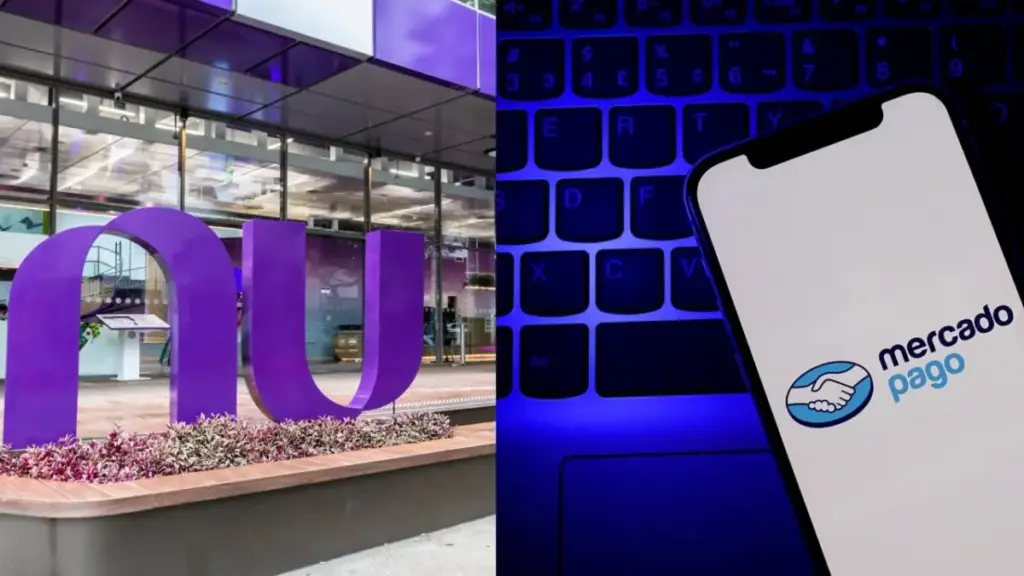
Two of the largest financial technology institutions operating in Latin America announced sudden disruptions to their digital asset services on Friday afternoon, catching customers and digital currency traders off guard across the region. Mercadopago, the prominent fintech arm of Argentine e-commerce giant Mercadolibre, alongside Nubank, recognized as the largest neobank in Latin America, both confirmed that they were forced to temporarily halt incoming deposits and outgoing withdrawals of digital assets.
Both institutions attributed the sudden operational pause to unforeseen instability stemming from an external data provider. The simultaneous suspension quickly triggered widespread speculation and a flurry of rumors across social media platforms regarding a possible security breach or cyberattack, particularly given the shared involvement of digital asset infrastructure provider Paxos. However, despite the online chatter, no official reports or security disclosures confirming a targeted hack have been released by the companies involved.
Mercadopago and Nubank Stop Crypto Deposits and Withdrawals
The weekend disruption began when users attempting to move cryptocurrencies through the MercadoPago mobile application were met with unexpected error messages alerting them to the situation. The in-app notification updated customers on the operational difficulties but did not immediately offer a clear timeline for the resolution of the incident.
"Due to system instabilities, it is not possible to make cryptocurrency transfers at this time. Your deposits will be credited late. We are working to resolve," the notification message stressed to users seeking to execute transactions.
In a subsequent formal statement released to the public and local media outlets, the company disclosed that it had identified severe instability affecting its crypto asset transfer operations. Mercadopago clarified that these technical difficulties were the direct result of an incident suffered by an external risk monitoring and money laundering prevention provider. As a precautionary measure, the fintech firm decided to preemptively halt digital asset withdrawals while leaving other core functionalities intact. Notably, the ability for users to purchase and sell crypto assets within the platform remained operational throughout the incident.
"We are following the situation in real time and will inform users as soon as operations are normalized," the company announced in its official communication to the market.
Simultaneously, Nubank issued its own customer advisory pointing to the exact same external data provider instability as the root cause of its service interruptions. The digital banking giant sought to reassure its massive customer base that the technical incident was entirely isolated to the third-party vendor. Nubank emphasized that the issue had nothing to do with its proprietary internal infrastructure and confirmed that customer security had at no point been compromised.
"All assets and information remain protected. The other crypto products continue to function normally," the bank stated, seeking to quell rising anxiety among digital asset holders who rely on the platform for their daily financial and investment needs.
The simultaneous announcements by two of the region’s most dominant financial platforms immediately ignited a wave of speculation online. The sudden disruption quickly sparked social media rumors suggesting a possible cyberattack targeting Paxos, the regulated blockchain infrastructure platform that provides digital asset custody services for both Mercadopago and Nubank.
Despite the rapid spread of these unverified claims across various social media channels, Paxos did not issue any official reports or statements indicating that it had been targeted by malicious actors. Furthermore, the company’s public system status page showed no registered operational incidents or security outages during the period in question, casting doubt on the online theories and pointing instead toward a more localized or third-party data feed failure rather than a foundational custody compromise.
The widespread anxiety surrounding the unexpected service pauses comes at a particularly sensitive time for the global and regional cryptocurrency communities. Digital asset markets and institutional platforms remain on extremely high alert following a series of high-profile security incidents and major cyberattacks targeting large cryptocurrency exchanges and financial service providers in recent weeks.
Security concerns have been amplified across the industry following a massive security breach experienced by Binance last month. In that high-profile incident, sophisticated threat actors managed to infiltrate and exploit system vulnerabilities, successfully stealing over $6 billion in cryptocurrency from a hot wallet. The sheer scale of the Binance breach sent shockwaves through the digital asset ecosystem, leaving both retail investors and institutional custodians hyper-vigilant regarding any unexpected operational pauses or platform maintenance windows.
The regional sentiment in Latin America has been equally fragile following recent local security events. Earlier in the week, Mercado Bitcoin, recognized as Brazil’s largest cryptocurrency exchange, also suffered a major security breach. That cyberattack resulted in the estimated loss of over $46 million in digital assets. Following the incident, Mercado Bitcoin promptly vowed to fully compensate affected customers and avoid socializing the losses arising from the security failure, even as trading and withdrawal services remained temporarily suspended in the immediate aftermath of the attack.
Against this backdrop of heightened regional vulnerability and global security scrutiny, the technical hiccups at Mercadopago and Nubank naturally drew intense scrutiny from users and industry observers alike. While both fintech companies have maintained that customer funds remain secure and that the disruptions are strictly limited to external data and risk monitoring feeds rather than internal wallet compromises, the incidents underscore the complex web of third-party dependencies that modern financial institutions rely on to deliver seamless digital asset services to millions of everyday users across Latin America.
 Bitcoin & Major Altcoins
 Bitcoin & Major Altcoins
 Bitcoin & Major Altcoins