June 2026 proved to be a brutal month for the broader cryptocurrency market. Bitcoin dropped more than 20%, hitting a 21-month low, while spot Bitcoin ETFs suffered a record $4.5 billion in net outflows as investor sentiment soured. Yet, against this bleak macroeconomic backdrop, a distinct sector of decentralized finance and real-world asset tokenization quietly achieved an unprecedented milestone.
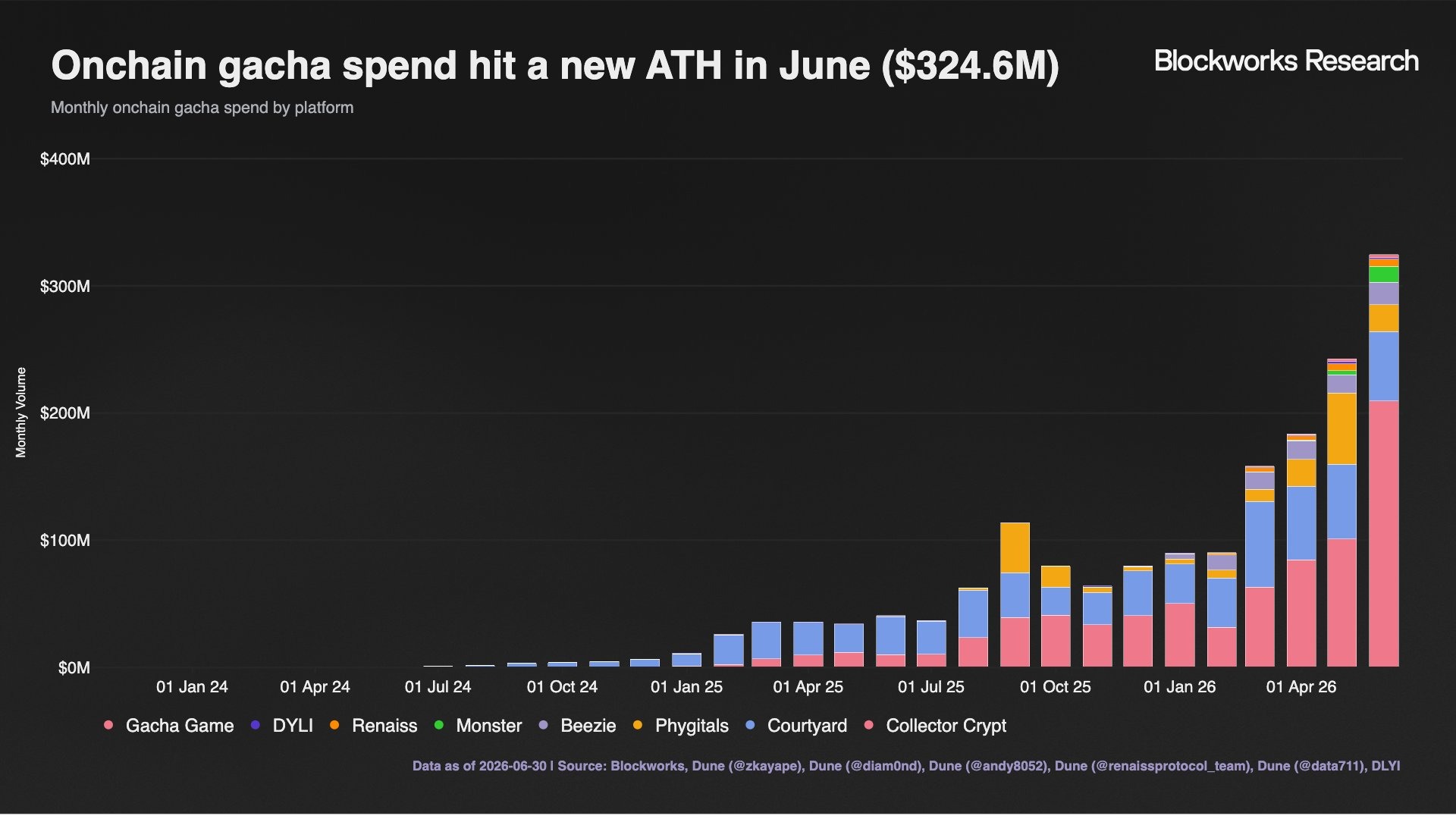
Users spent a record $324 million on onchain gacha during the month, according to data from Blockworks Research. To put that figure into perspective, the monthly volume for the same sector hovered closer to $50 million just a year prior. While mainstream crypto prices were tanking, market participants were opening an increasing number of digital packs containing tokenized Pokémon cards. Driven by the thrill of the chase, the hope of financial upside, or simply the urge to expand a digital collection, enthusiasts poured capital into a randomized real-world asset sector that has largely flown under the radar until now.
Booster Packs, Grades, and Slabs
The term "gacha" is borrowed from Japanese vending machines where a fixed payment yields a randomized item. In the trading card game market, this mechanism is typically manifested through booster packs—sealed containers holding a random assortment of cards where the buyer does not know the exact contents in advance.
Cards inside a booster pack are far from equal. Print runs, rarity levels, physical condition, and the year of release can drive market values apart by orders of magnitude. Ordinary cards may sell for mere cents, while rare copies in pristine condition command hundreds of thousands of dollars. A massive secondary market has grown around these collectibles, with industry estimates from Global Market Insights valuing the trading card game market at $9.2 billion, while Mordor Intelligence places the figure even higher at $15.11 billion.
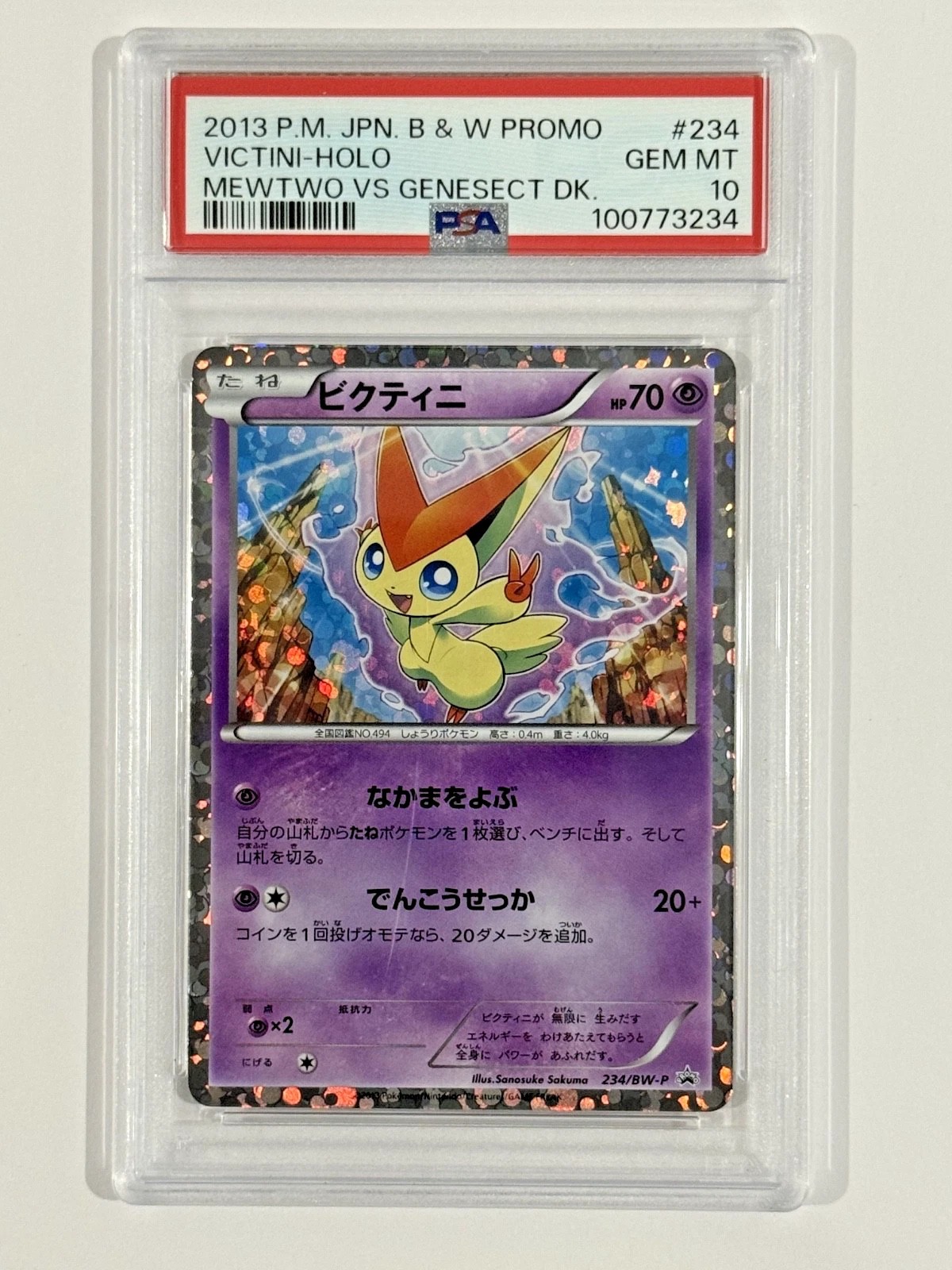
When a piece of cardboard can cost as much as an automobile, verifying its authenticity and condition becomes paramount. This necessity gave rise to professional grading, a process wherein independent companies such as Professional Sports Authenticator, Beckett, or Certified Guaranty Company inspect cards against strict criteria. Experts evaluate image centering, the condition of corners, edges, and the surface, checking for any scratches or stains. Once assessed, the card is assigned a numeric grade and permanently sealed inside a tamper-evident plastic case known as a slab.
The assigned grade directly dictates the market price. Two identical cards can hold vastly different values depending on their grade, whereas raw, ungraded cards typically trade as riskier, speculative assets.
To bridge the gap between physical collectibles and digital efficiency, projects like Collector Crypt and Courtyard have pioneered the tokenization of these real-world assets. These platforms accept physical cards—frequently those that have already been professionally graded—store them securely in physical vaults, and issue non-fungible tokens tied directly to each specific item.
When a user purchases and opens a digital pack on these platforms, they receive a token backed by a real card resting in a secure vault. The token can be retained, listed for sale on a secondary marketplace, sold immediately back to the platform, or eventually redeemed for the physical item itself.
However, this architecture relies heavily on trust. The underlying value of these NFTs rests on the fundamental assumption that the partner vault genuinely houses the exact card in the stated grade. Users inherently assume custodial risk regarding asset safety, authentication integrity, and platform longevity. With grading companies reporting an increasing prevalence of sophisticated counterfeits in the broader market, these assumptions carry substantial weight.
Why Now?
The surging popularity of onchain gacha and trading-card-focused blockchain platforms stems from a convergence of cultural and financial factors. Pokémon cards serve as the core product for many of these ecosystems, and the broader franchise is currently experiencing a historic resurgence.
According to retail tracking firm Circana, Pokémon emerged as the top-selling toy brand in the United States in 2025, generating $2.5 billion in sales—an 87% increase compared to the previous year. This interest extends well beyond children. Wealthier members of Generations Y and Z have increasingly turned to rare trading cards as alternative luxury investments, occasionally favoring them over traditional fine art.
Demand for professional grading has surged to such heights that PSA temporarily suspended card submissions across four basic service levels in June as it struggled to clear a backlog of nearly 10 million cards. Tokenization plugged directly into this cultural frenzy by offering utility and eliminating traditional market friction.
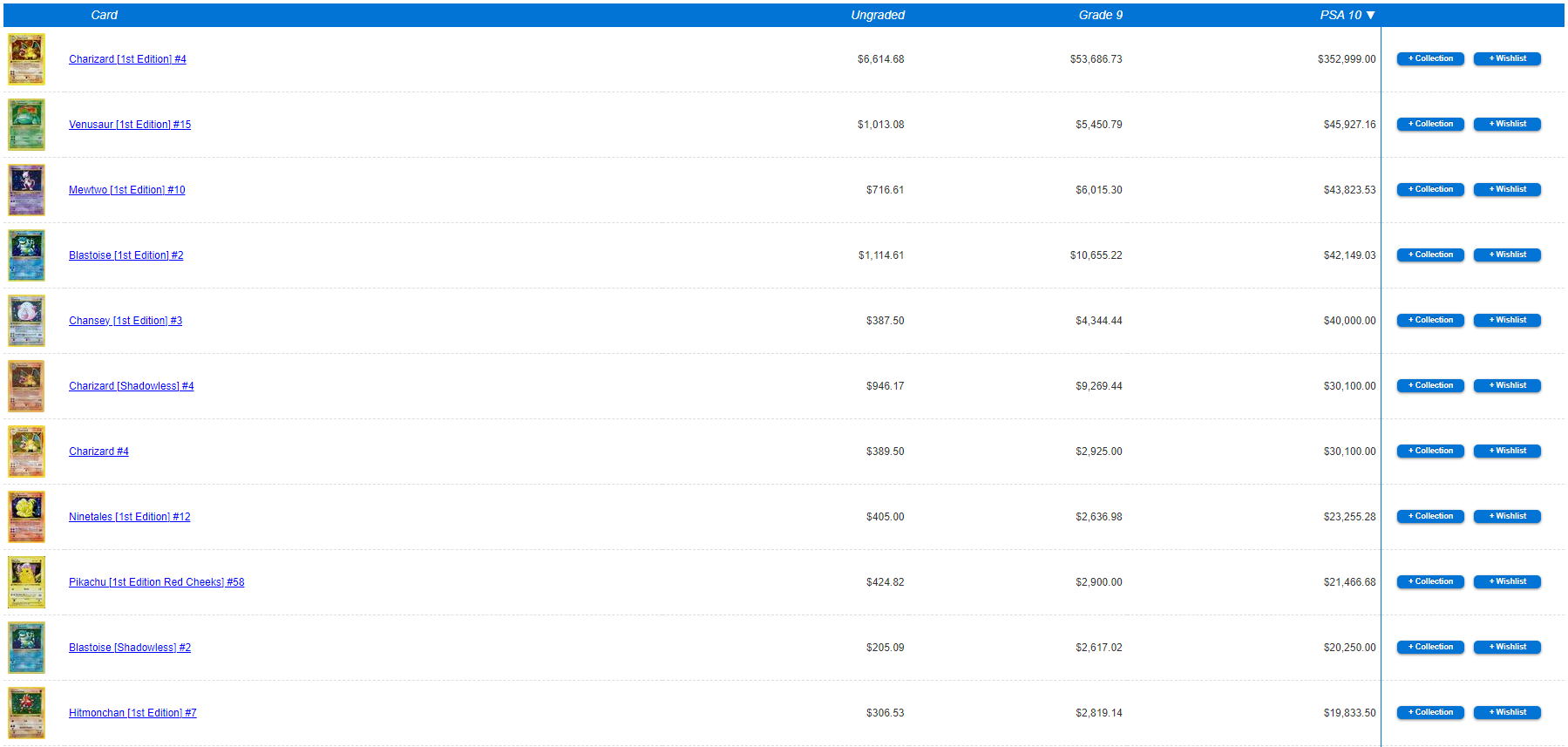
The traditional trading card market has long suffered from a classic liquidity problem common to all collectibles. Selling an offchain card requires finding a willing counterparty, verifying authenticity and grading, and handling physical shipping logistics.
"Traditional marketplaces are slow and expensive," Dakota Campbell, head of marketing at Collector Crypt, told Cointelegraph. "With tokenized trading cards, collectors can buy, sell, trade, and verify ownership instantly while the physical asset remains securely vaulted until they want it shipped."
Collector Crypt has tokenized roughly $40 million worth of cards and comic books to date, according to Campbell. Approximately $23 million of that inventory belongs directly to the platform, while the remainder resides in user wallets or has already been redeemed. To maintain its inventory and keep pace with robust demand, the company acquires about $2 million worth of cards every week.
Gambling on Collectibles
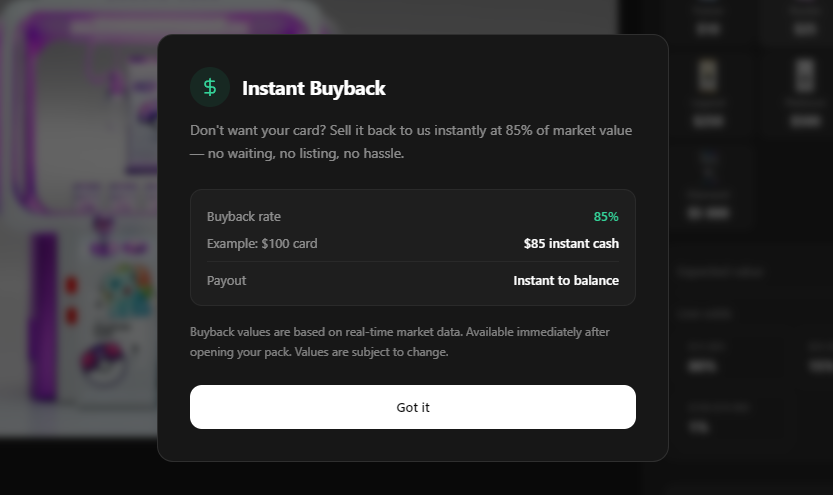
As was evident during previous digital asset booms, price speculation and the dopamine hits associated with randomized rewards play a significant role in user engagement. The instant buyback mechanism featured on nearly all trading card platforms creates an efficient gacha loop. A user buys a pack, and if the resulting card holds low value or fails to appeal to them, they can instantly sell it back to the platform for a percentage of its estimated market value—typically around 85%—and immediately fund the opening of another pack.
If a user pulls a rare item, they can choose to list it on a marketplace or retain it. Unlike physical collecting, this process requires no search for a buyer, no shipping delays, and no prolonged waiting periods.
This mechanism closely mirrors video game loot boxes, where users pay for randomized digital outcomes knowing only the statistical probabilities. While certain jurisdictions have actively worked to bring video game loot boxes under stricter gambling regulations, whether those regulatory frameworks will ultimately encompass tokenized trading cards largely depends on the continued growth of the sector.
From a structural standpoint, this mirrors the mechanics of the traditional trading card industry. The primary differentiator is execution speed. In the offchain world, completing the gacha loop can take weeks, whereas onchain platforms execute the same cycle in seconds.
"There is always speculation in an emerging market, especially in the crypto sector," Campbell noted, while emphasizing that platforms derive their greatest long-term stability from committed collectors hunting for rare grails.
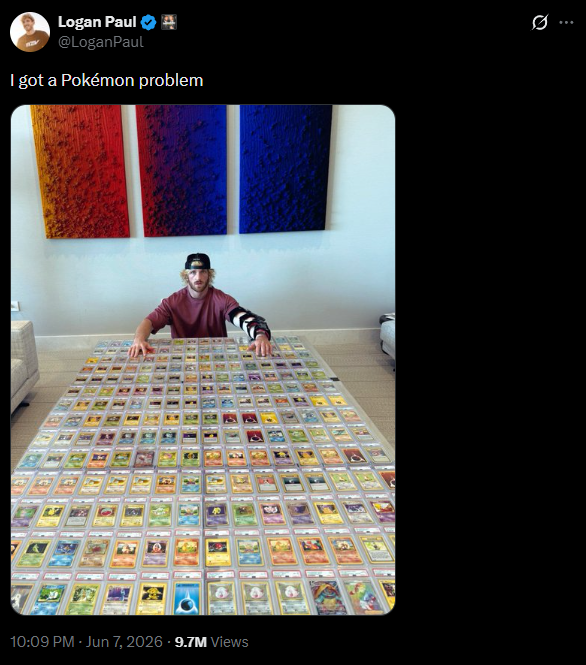
No Country for Collectors?
Despite the heavy speculative volume, genuine collectors of physical cards continue to represent a vital segment of the market. Data from analytics platform Dune indicates that users consistently burn between 5% and 8% of the NFTs issued on Courtyard each week, with every burn representing a direct claim on a physical card.
Collector Crypt reports that approximately 30% of its users eventually redeem their cards for physical delivery, according to Campbell. Furthermore, many participants retain their assets in onchain inventories past the initial 72-hour buyback window rather than immediately flipping them for liquidity.
"In just the last 30 days, 5,400 assets shipped to 634 unique users at $3.29 million insured value," Campbell stated.
Ultimately, blockchain startups are executing a classic tokenization play by migrating a proven business model onto more efficient rails and reducing procedural friction. While concerns regarding the speculative nature of the market and its proximity to gambling remain valid where platforms lean heavily into such marketing, these dynamics reflect the inherent nature of the gacha model itself. Participants sift through common items in pursuit of elusive, high-value assets.
June’s record-breaking figures reflect the convergence of multiple distinct trends. The traditional physical card market is booming, tokenization technology has matured sufficiently to integrate with it seamlessly, and the gacha mechanic maps efficiently onto blockchain infrastructure. Whether this momentum proves sustainable remains to be seen, as fast-moving gacha loops can reverse direction just as quickly as they climb.
 Non-Fungible Tokens (NFTs)
 Non-Fungible Tokens (NFTs)
 Non-Fungible Tokens (NFTs)