Chris Larsen, the co-founder and executive chairman of Ripple Labs, has reportedly emerged as an investor backing the financial venture spearheaded by the son of United States Senator Kirsten Gillibrand. This development surfaces at a politically sensitive moment, as the United States Senate navigates complex, high-stakes negotiations over comprehensive cryptocurrency market structure legislation.
According to a report published by Politico, Larsen was among a select group of investors who provided financial backing for the American Perpetuals Exchange Corp. (APEC), a derivatives platform founded by Theodore Gillibrand. While the exact financial contribution made by the Ripple executive was not detailed in the report, public filings and media accounts indicate that the vast majority of individual investors in the startup contributed sums ranging between $5,000 and $10,000 each. Overall, the derivatives platform has reportedly succeeded in raising approximately $30 million in capital to fuel its business operations.
The disclosure of this investment coincides with ongoing legislative battles in Washington, where New York Democrat Senator Kirsten Gillibrand is deeply involved in negotiations concerning strict ethics provisions within the Digital Asset Market Clarity (CLARITY) Act. The legislation is widely anticipated to have a profound impact on the operational landscape of major cryptocurrency companies operating within the United States, including Ripple Labs, which has frequently found itself at the center of regulatory and legislative debates.
Senator Gillibrand has previously voiced strong opinions regarding potential conflicts of interest and ethics within the digital asset sector. Speaking earlier in May, the lawmaker asserted that the legislative body could not afford to pass a crypto market structure bill without implementing rigorous ethics safeguards. At the time, she stated that no members of Congress would be voting for the bill without addressing ethics, emphasizing that lawmakers, senior administration officials, presidents, and vice presidents cannot be allowed to enrich themselves off these industries because of their insider status, describing such scenarios as the worst form of pay for play.
In response to inquiries regarding the investment in her son’s company, a spokesperson for Senator Gillibrand directed media to a previous statement issued on June 18. That statement emphasized that Theodore Gillibrand is a grown adult who is actively starting his own independent business venture, and maintained that the senator has had no involvement in the enterprise whatsoever. Representatives for APEC were also reached for comment regarding the investment and the broader context of the firm’s fundraising efforts, but did not provide an immediate response.
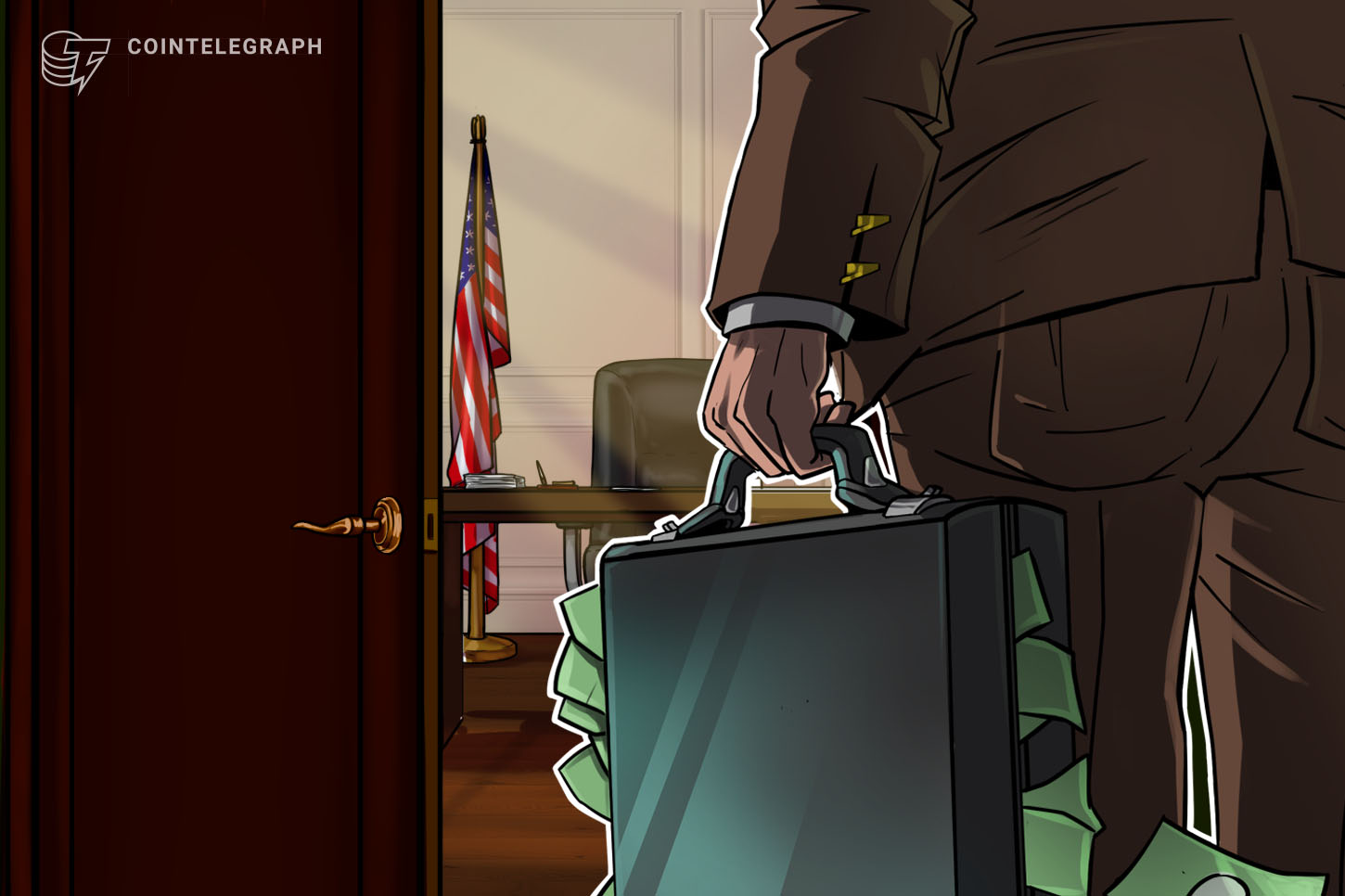
The intersection of family business ties and cryptocurrency policy has intensified political debates on Capitol Hill, particularly as Democratic lawmakers pressure their Republican counterparts to support the incorporation of robust ethics language into the CLARITY Act. This political push has been heavily influenced by heightened scrutiny surrounding political ties to the digital asset industry, including the connections of former and incoming political figures. Republican leaders in the Senate, who hold a slim majority in the chamber, have expressed optimism about moving the legislation forward, with expectations centered on a potential floor vote during the month of July. Senator Cynthia Lummis noted in June that lawmakers were actively working on refining provisions related to ethics, decentralized finance, and illicit transactions as part of ongoing bipartisan negotiations.
Because Senate Republicans maintain only a narrow majority, the path to passing the CLARITY Act requires building a broad coalition that includes Democratic support. Reaching the necessary 60-vote threshold to overcome procedural hurdles in the upper chamber means that addressing Democratic concerns regarding ethics and insider trading provisions remains a critical prerequisite for the bill’s advancement.
Congressional Schedule Squeezes Window for CLARITY Bill
The legislative timeline for passing the cryptocurrency market structure bill faces significant pressure from the official congressional calendar. Lawmakers in the United States Senate are currently observing state work periods for the Independence Day holiday, temporarily pausing legislative business in Washington.
The Senate is officially scheduled to return to active session on July 13. However, this return provides only a brief window of opportunity before lawmakers are scheduled to depart Washington once again for another prolonged, month-long state work period throughout the month of August. This compressed operational schedule severely limits the time available to negotiate, draft, and pass major cryptocurrency market structure legislation before the legislative calendar becomes entirely consumed by the political realities leading up to the United States election day. Industry observers note that the approach of the election cycle is expected to introduce additional delays, making the July return period a critical juncture for the fate of the CLARITY Act.
 Crypto Startups & Venture Capital
 Crypto Startups & Venture Capital
 Crypto Startups & Venture Capital