Commodity Futures Trading Commission (CFTC) Chairman Mike Selig has signaled that the regulatory body is actively pursuing comprehensive federal rules to govern key sectors of the digital asset industry, including cryptocurrency exchanges, retail margin trading, and the rapidly expanding prediction markets sector.
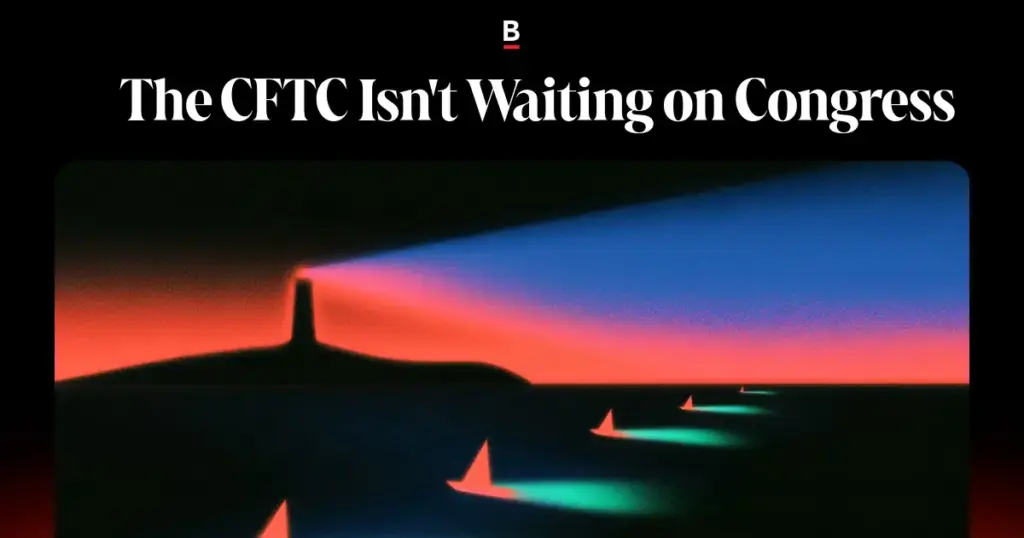
In a recent interview with Bankless, Selig outlined his vision for the agency’s regulatory approach, emphasizing that the CFTC is prepared to establish clear oversight frameworks rather than waiting for protracted congressional action to settle jurisdictional lines. The remarks highlight a proactive stance from the federal derivatives regulator as the crypto landscape continues to intersect more deeply with mainstream financial products and everyday retail participants.
The focus on crypto exchanges remains a central pillar of the regulatory discussion. As digital asset trading platforms scale globally and handle billions of dollars in daily volume, federal regulators have increasingly sought to bring these centralized and decentralized venues under robust compliance frameworks. By establishing clear federal standards, the CFTC aims to enhance market integrity, protect investors from systemic risks, and provide greater legal certainty for institutional and retail participants operating within the United States.
In addition to traditional spot and derivatives exchanges, Selig addressed the critical area of retail margin trading. The availability of high-leverage products to everyday retail traders has long been a point of contention among financial regulators due to the potential for catastrophic losses during periods of extreme market volatility. Implementing structured federal guidelines for retail margin trading is seen as a necessary step to curb excessive risk-taking while still allowing market participants access to sophisticated financial instruments under controlled conditions.
Prediction markets have also emerged as a significant focal point for regulatory scrutiny and innovation. These platforms, which allow users to wager on the outcomes of real-world events ranging from elections to macroeconomic indicators, have experienced a surge in popularity and liquidity. As these markets increasingly mimic traditional futures and derivatives contracts, the question of federal oversight has grown more urgent. Selig’s comments suggest that the CFTC is closely evaluating how these platforms function and how existing regulatory statutes apply to event-based contracts.

The broader implications of Selig’s roadmap point toward a shifting regulatory paradigm in the United States, where federal agencies are increasingly stepping up to define the rules of the road for an asset class that has largely operated in a regulatory gray area for years. As the discussion around market structure, investor protection, and financial innovation continues to evolve, the CFTC’s upcoming policy initiatives are expected to shape the trajectory of digital asset trading and institutional adoption for the foreseeable future.
 Tokenomics & Digital Assets
 Tokenomics & Digital Assets
 Tokenomics & Digital Assets