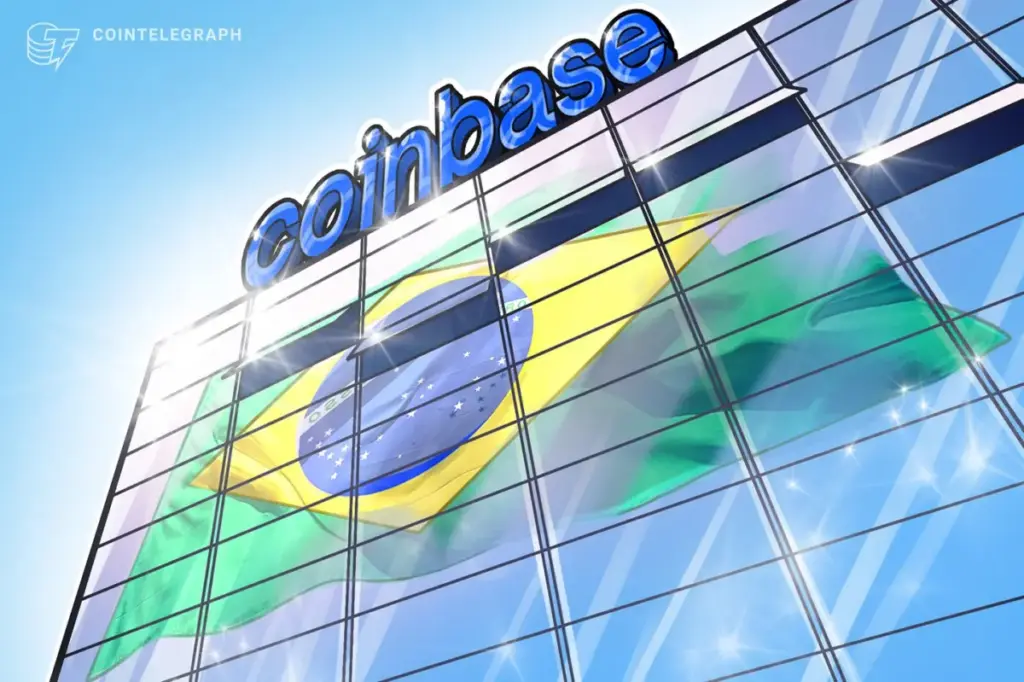
US-based cryptocurrency exchange giant Coinbase has officially applied for authorization to operate as a virtual asset service provider (VASP) in Brazil, moving swiftly ahead of the country’s crucial regulatory deadline. The submission to the Central Bank of Brazil marks a significant milestone for the firm’s Latin American footprint as the region rapidly formalizes its digital asset oversight.
According to a statement shared with Cointelegraph, Coinbase submitted its formal application on Wednesday. The move comes right on the heels of the Central Bank of Brazil’s approaching October 30 deadline, which requires existing digital asset enterprises operating within the country to seek official licensing to maintain their standing under upcoming transitional arrangements.
The primary goal of the filing is to ensure that Coinbase can seamlessly sustain its existing Brazilian operations without interruption. As the central bank introduces a comprehensive and rigorous new set of regulatory requirements covering internal governance, customer asset safeguards, and strict compliance measures, crypto platforms are rushing to comply.
Despite the stringent nature of these emerging guidelines, Coinbase remains confident in the continuity of its platform. "We do not expect the application review to require a suspension of our existing services," a Coinbase spokesperson told Cointelegraph. Under the regulatory framework established by Brazilian authorities, existing crypto service providers that successfully submit their applications before the deadline are legally permitted to continue operating normally while central bank officials thoroughly review their filings.
The regulatory push in Brazil is part of a broader, systemic effort to bring transparency and consumer protection to the rapidly growing local cryptocurrency market. By establishing a formalized VASP framework, the Central Bank of Brazil aims to curb illicit financial activities, protect user funds against mismanagement, and ensure that market participants adhere to high standards of corporate governance. These rules set clear expectations for how digital assets must be handled, stored, and managed on behalf of retail and institutional clients alike.

While navigating the current licensing process, Coinbase is also keeping an eye on long-term expansion opportunities within the South American nation. The exchange reiterated its ambitious plans to eventually bring its broader "Everything Exchange" strategy to Brazil. This multi-faceted approach could see the company expand beyond traditional cryptocurrency trading into complementary financial sectors, such as foreign exchange services and digital payments. However, the exchange acknowledges that those specific activities will require separate, distinct regulatory authorizations from Brazilian financial authorities before they can be launched to the public.
Coinbase is far from the only major international player scrambling to meet the end-of-October deadline. Fellow crypto exchange giant Binance also submitted its official authorization application to the Central Bank of Brazil on October 23. However, Binance’s path to compliance has involved more immediate structural adjustments to its local product offerings. In order to align with the stringent demands of the new regulatory regime, Binance has had to restrict several of its offerings in Brazil, including crypto lending and margin trading services. Additionally, the exchange proactively delisted 22 specific crypto assets to ensure full compliance with the updated rules.
The strict regulatory posture adopted by Brazil highlights the shifting landscape of global cryptocurrency adoption. As nations move past the era of regulatory ambiguity, major exchanges are forced to adapt their operational strategies on a jurisdiction-by-jurisdiction basis. For Coinbase, maintaining uninterrupted service while navigating the transitional phase of the Central Bank of Brazil’s review process represents a critical step in cementing its long-term presence in one of Latin America’s most vibrant and dynamic digital asset markets. As the review period progresses, local users will continue to access the platform’s standard offerings while awaiting further decisions from regulators regarding the future of the country’s formalized crypto economy.
 Crypto Regulation & Policy
 Crypto Regulation & Policy
 Crypto Regulation & Policy