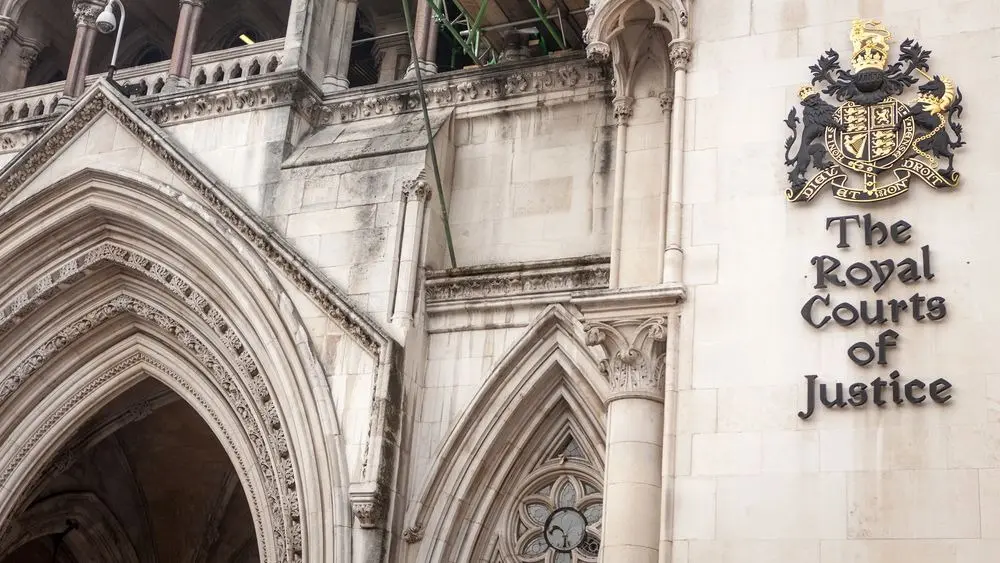
Two investment subsidiaries of prominent digital asset market maker DWF Labs have launched high-stakes legal action against cryptocurrency custodian BitGo, filing a multi-million-dollar lawsuit in London’s High Court that accuses the institutional service provider of a serious breach of contract involving token sale lock-up terms.
According to reports from the Financial Times, the legal complaint was initiated by British Virgin Islands-registered DWF Maas and Panama-registered Falcon Digital. The two entities allege that they entered into private token sale agreements to supply discounted digital assets to BitGo, specifically Falcon Finance (FF) and ESPORTS tokens. Under the terms of the private sales, these discounted tokens were bound by a strict three-month lock-up period designed to prevent immediate market destabilization.
Private token sales are an established mechanism within the cryptocurrency industry. They allow early-stage project issuers and institutional backers to raise vital capital without triggering immediate sell-offs that could tank asset prices, protecting both the project’s long-term viability and the capital of early investors. However, the plaintiffs claim that BitGo fundamentally violated this foundational arrangement by transferring and selling the digital assets on public exchanges well before the agreed-upon expiration dates.
The lawsuit contends that BitGo liquidated the restricted tokens roughly two months before the first scheduled unlock period. DWF Maas and Falcon Digital argue that this premature release flooded the market with liquidity prematurely, directly causing a sharp downward spiral in the valuations of both tokens.
Market data underscores the steep price declines that followed the alleged breaches. Falcon Finance (FF) fell from approximately 8 cents at the commencement of the lock-up period in early March down to roughly 7 cents by late April. Meanwhile, the ESPORTS token experienced an even more severe contraction, plummeting from about 28 cents in mid-March to a mere 7 cents by early June. Citing these dramatic losses, DWF Labs is seeking a total of $114 million in damages, arguing that BitGo’s premature token sales inflicted direct, quantifiable financial injury through the destruction of token market values.
Explaining the rationale behind the litigation, representatives for DWF pointed out that the financial discount extended to BitGo was explicitly contingent upon the assets remaining locked and inaccessible to the broader market. According to the Financial Times report, DWF stated that the discounted rate was conditional on the tokens remaining locked, yet they were transferred to exchanges roughly two months before the initial unlock window. The firm added that they formally raised these concerns with BitGo across April and May, but because no satisfactory undertaking or resolution was forthcoming, pursuing legal action in the courts became necessary.
This major legal dispute arrives against a backdrop of broader regulatory and political scrutiny surrounding DWF Labs and its network of leadership and investments. Last year, DWF made headlines by purchasing $25 million worth of WLFI tokens, the native digital asset powering World Liberty Financial, a decentralized finance cryptocurrency project backed by United States President Donald Trump and members of his family.
That substantial investment drew intense scrutiny and concern from several lawmakers in Washington, D.C. Critics and legislators questioned the transaction in light of alleged historical ties linking DWF founder Andrei Grachev to Russia. Public records show that Grachev previously served as the CEO of the Russian arm of major cryptocurrency exchange Huobi between 2018 and 2019. In subsequent years, Huobi faced targeted economic sanctions across various global jurisdictions due to allegations that its operations facilitated efforts by Russian entities to evade Western financial restrictions.
As the legal battle unfolds in London’s High Court, the implications of the case could extend far beyond the immediate financial dispute, touching on standard practices regarding digital asset custody, contractual lock-up enforcement, and the broader institutional standards governing private token sales. Representatives for both DWF Labs and BitGo did not immediately respond to requests for comment regarding the ongoing litigation.
 Global Crypto Markets
 Global Crypto Markets
 Global Crypto Markets