June 2026 proved to be a brutal month for the broader cryptocurrency market, with Bitcoin tumbling more than 20% to hit a 21-month low. As investor sentiment soured across traditional digital asset vehicles, spot Bitcoin ETFs suffered a record-shattering $4.5 billion in outflows. Yet, deep within the depths of this unfolding bear market, a surprising corner of the decentralized economy was experiencing unprecedented growth.
According to data from Blockworks Research, users poured a record $324 million into onchain gacha during the month of June. To put that figure into perspective, monthly spending on these tokenized collectibles hovered closer to $50 million just a year prior. While crypto asset prices were tanking and macroeconomic jitters rattled traders, digital asset enthusiasts were busy opening countless packs of tokenized Pokémon cards—driven by the thrill of the chase, the hope of financial return, or simply the urge to expand a digital collection.
This unexpected boom highlights an entire randomized Real World Asset sector that has largely flown under the radar until now. By merging the mechanics of traditional collectible card games with the high-speed rails of blockchain infrastructure, web3 platforms have tapped into a multi-billion-dollar global frenzy that transcends the traditional boundaries of crypto speculation.
Booster packs, grades, and slabs
The concept of gacha is borrowed originally from Japanese vending machines, where a fixed payment yields a randomized item. In the context of the trading card game market, this mechanism typically manifests through booster packs—sealed envelopes or boxes holding a predetermined number of cards with randomized contents. Buyers purchase these packs without knowing in advance which specific cards they will uncover.
Crucially, the cards inside these boosters are not created equal. Print runs, rarity levels, physical condition, and the year of release can drive market prices apart by orders of magnitude. While an ordinary, common card might sell for mere cents, a rare copy in pristine condition can fetch hundreds of thousands of dollars. A massive secondary market has grown up around these physical collectibles, with industry estimates from Global Market Insights valuing the broader trading card games market at $9.2 billion, while Mordor Intelligence places the figure even higher at $15.11 billion.
When a single piece of cardboard can cost as much as a luxury automobile, its authenticity and physical condition must be rigorously verified. This is the precise function of grading—a meticulous process wherein independent authentication companies such as Professional Sports Authenticator, Beckett, or Certified Guaranty Company inspect a card against stringent criteria. Experts check the card for image centering, the sharpness of its corners, the integrity of its edges, and the condition of its surface, looking for any hidden scratches or stains. Once evaluated, the card is assigned a numerical grade and permanently sealed inside a specialized plastic protective case known as a slab.
The assigned grade directly dictates the market price. Two visually identical cards can command vastly different valuations depending on their slab rating, whereas a raw, ungraded card typically trades as a much riskier asset.
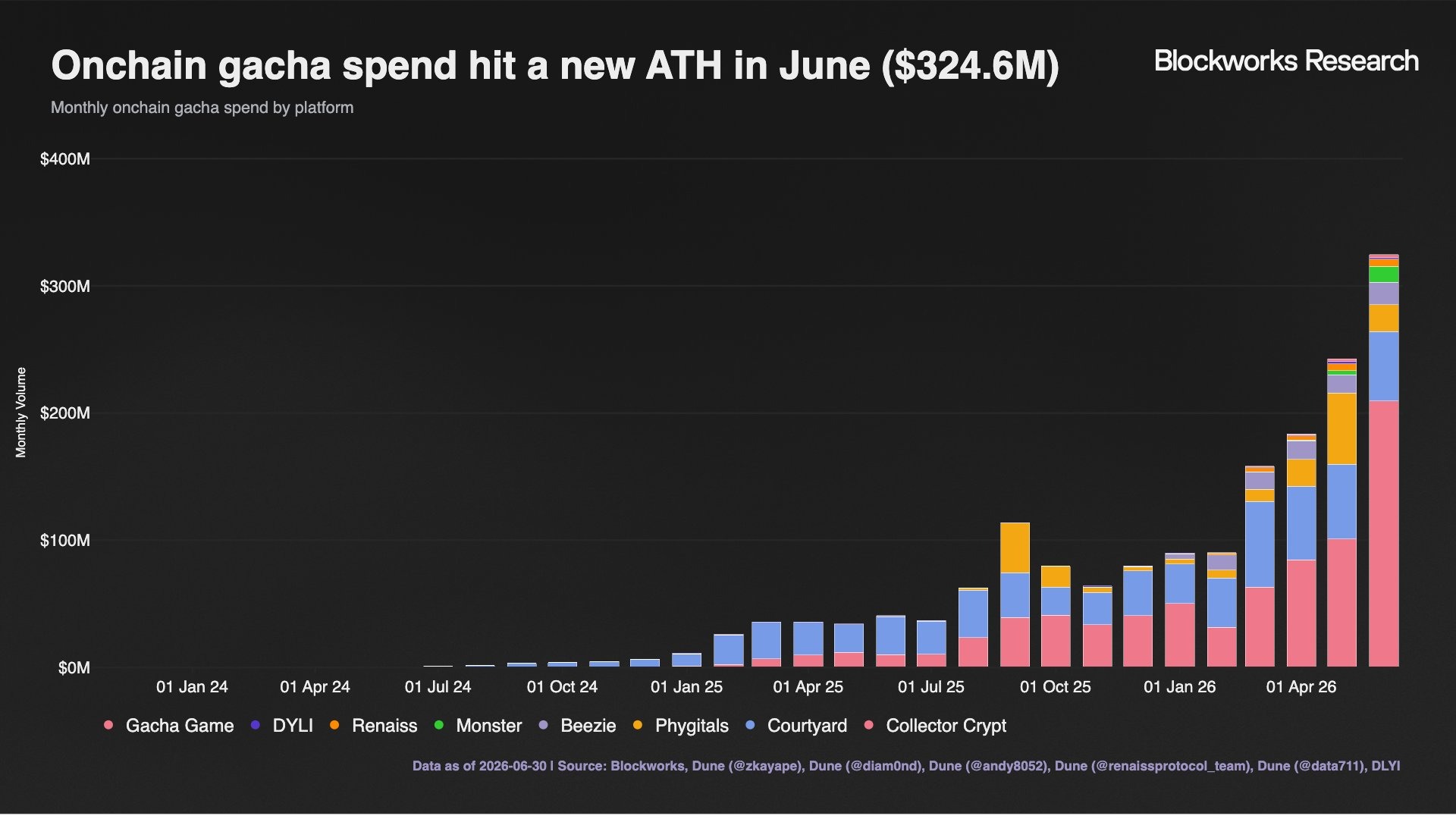
To bridge the gap between physical items and digital trading, blockchain projects such as Collector Crypt and Courtyard have pioneered methods to bring these real-world assets onto distributed ledgers. These platforms accept physical cards—frequently ones that have already undergone professional grading—store them securely within dedicated third-party vaults, and subsequently issue non-fungible tokens tied directly to each specific serialized copy.
When a user purchases and opens an onchain pack, they receive a cryptographic token backed by a real card resting in a secure physical vault. This token can be held as part of a digital collection, listed instantly on a secondary marketplace, sold back to the platform for liquidity, or officially redeemed to have the physical card shipped directly to their home address.
However, this model introduces distinct dependencies. The fundamental value of these NFTs rests entirely on the assumption that the partner vault genuinely houses that exact card in the stated grade. Users inherently assume custodial risk—trusting the physical safety of the asset, the integrity of the authentication process, and the ongoing durability of the platform itself. With grading companies reporting a noticeable rise in sophisticated counterfeits entering circulation, these underlying assumptions carry significant weight.
Why now?
The surging popularity of onchain gacha, and of trading card game-focused blockchain applications more broadly, is likely driven by the convergence of several cultural and economic forces.
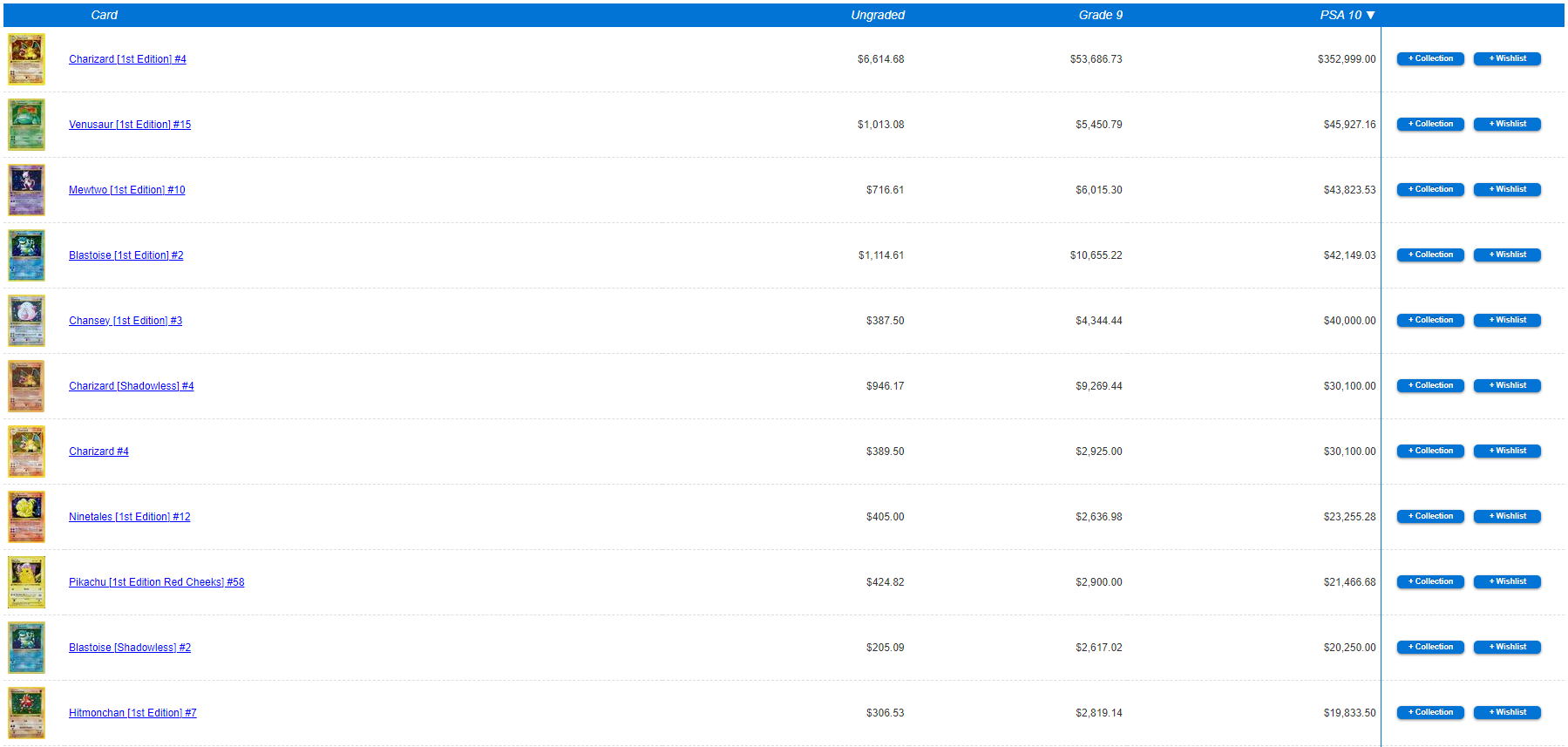
Pokémon cards serve as the core product for many of these web3 platforms, and the underlying franchise is currently experiencing a massive cultural resurgence. According to data from market research firm Circana, Pokémon solidified its position as the most popular toy brand in the United States in 2025, racking up an astonishing $2.5 billion in retail sales—an 87% increase compared to the previous year.
Significantly, this intense interest is not limited to children or nostalgic hobbyists. Wealthier members of Generations Y and Z have increasingly turned toward high-end collectibles as alternative investments, with some affluent buyers reportedly preferring rare cards over traditional fine art pieces. Demand for professional card grading has reached such an extraordinary fever pitch that in June, PSA temporarily suspended card submissions across four basic service levels in an effort to work through an unprecedented backlog of nearly 10 million pending cards.
Tokenization has plugged directly into this cultural frenzy by providing a highly efficient service and removing friction from the acquisition process. The traditional real-world trading card market suffers from an issue common to all alternative asset classes: the complete absence of instant liquidity. To sell a high-value card through offchain channels, an owner typically has to locate a willing counterparty, manually verify the item’s authenticity and grade, and arrange for secure shipping and escrow.
"Traditional marketplaces are slow and expensive," Dakota Campbell, head of marketing at Collector Crypt, noted in discussions regarding the friction inherent in legacy collecting. "With tokenized trading cards, collectors can buy, sell, trade, and verify ownership instantly while the physical asset remains securely vaulted until they want it shipped."
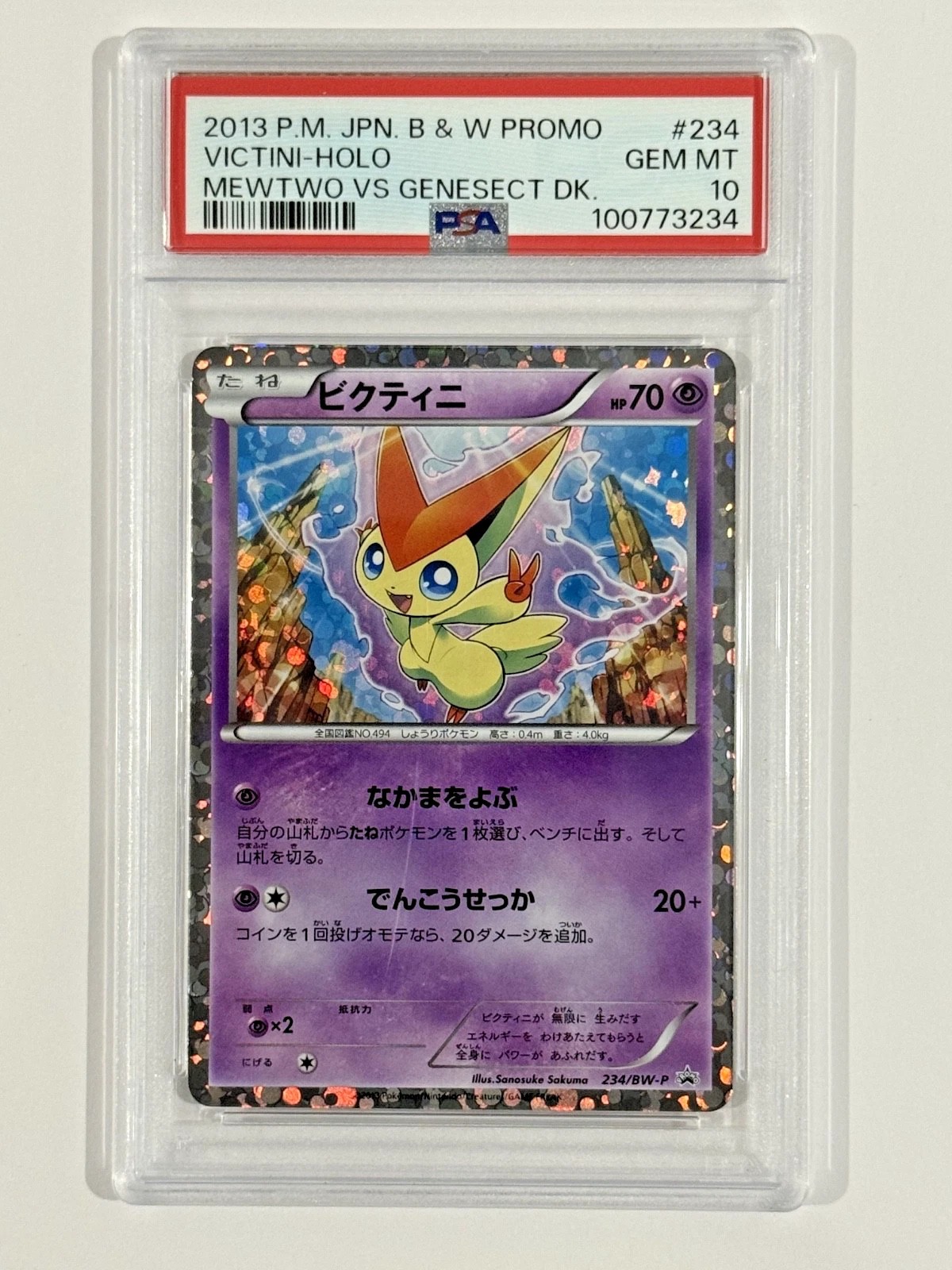
Collector Crypt alone has tokenized roughly $40 million worth of cards and comic books, according to Campbell. Approximately $23 million of that total inventory belongs to the platform itself to sustain operations, while the remainder rests safely in user wallets or has already been redeemed by collectors. To keep pace with relentless consumer demand, the company actively acquires around $2 million worth of trading cards every single week.
Gambling on collectibles
As was observed during previous speculative waves in the digital asset space, it is difficult to deny that price speculation and the psychological dopamine hits associated with randomized prizes form a core part of the appeal.
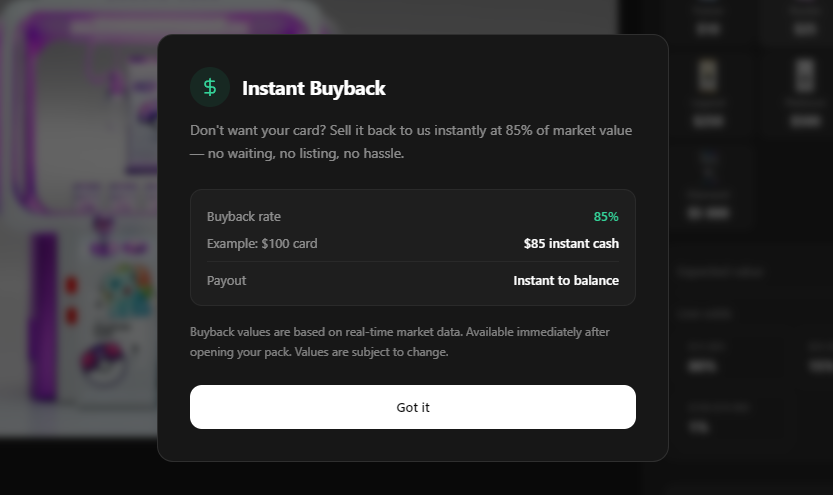
The instant buyback mechanism offered by nearly all modern trading card game platforms creates a nearly seamless gacha loop. A user purchases a pack; if the resulting card proves unappealing or carries a low market value, they can instantly sell it back to the platform for a set percentage—such as 85%—of its estimated value, using the proceeds immediately to open another pack. Should they pull an exceptionally rare card, they can either list it on an open marketplace or keep it in their digital portfolio. Unlike traditional physical collecting, there is no need to hunt for an interested buyer, coordinate shipping logistics, or wait weeks for settlement.
This gacha mechanism bears a striking resemblance to video game loot boxes, where users pay real money for randomized digital outcomes governed by fixed mathematical odds. Several regulatory bodies worldwide have attempted to bring video game loot boxes under strict gambling regulations. Whether that same regulatory logic will eventually encompass tokenized trading card games will likely depend on the continued expansion and visibility of the sector.
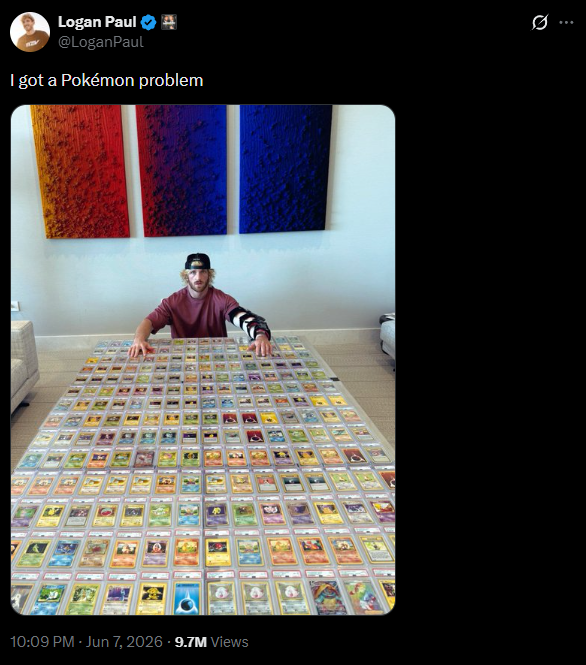
Regardless of regulatory debates, this structural dynamic mirrors the operational reality of the traditional trading card industry. The primary differentiator is speed: while closing the gacha loop in the physical world can take weeks of mailing and grading, doing so onchain takes mere seconds.
"There is always speculation in an emerging market, especially in the crypto sector," Campbell observed, while emphasizing that the platform derives its primary long-term health from committed collectors hunting specifically for their next high-grade grail item.
No country for collectors?
Despite the heavy presence of speculative traders, genuine collectors of physical cards continue to represent a vital segment of the market. On-chain data compiled via Dune indicates that users consistently burn between 5% and 8% of the NFTs issued on platforms like Courtyard each week, with each token burn representing a direct claim on a real physical card held in custody.
Collector Crypt similarly reports that approximately 30% of its users eventually choose to redeem their tokens for the underlying physical asset, according to Campbell. Furthermore, a substantial portion of users elect to hold their tokenized cards in onchain inventories long past the initial 72-hour buyback window rather than instantly flipping them for short-term liquidity.
"In just the last 30 days, 5,400 assets shipped to 634 unique users at a $3.29 million insured value," Campbell noted, underscoring the tangible logistics supporting the digital infrastructure.
New tracks for an old train
Ultimately, blockchain startups operating in this space are executing a classic tokenization play: migrating a proven, time-tested business model onto significantly more efficient technological rails while removing legacy friction points.
While concerns regarding the speculative nature of the market or the psychological parallels to gambling are frequently raised, they apply equally to the broader physical trading card ecosystem as they do to its onchain counterpart. People have long sifted through packs of cards in pursuit of a rare holographic find.
The record-breaking spending figures recorded in June are the direct result of several converging forces. The traditional physical card market is experiencing a historic boom, tokenization technology has matured sufficiently to integrate seamlessly with established hobbies, and the addictive gacha mechanic fits naturally onto high-speed blockchain architecture. Whether this momentum can maintain its current trajectory remains an open question, as speculative inflows and rapid gacha loops can reverse course just as quickly as they assemble.
 Non-Fungible Tokens (NFTs)
 Non-Fungible Tokens (NFTs)
 Non-Fungible Tokens (NFTs)