As Democrats steadily rise in their potential to take back a Senate majority, Senator Richard Blumenthal is digging deeply into Tether’s U.S. financial partnership. The top Democrat on the Senate Permanent Subcommittee on Investigations has turned his sharp focus toward the connections linking Cantor Fitzgerald with Tether, the worldwide leader in stablecoins and the issuer of the ubiquitous USDT token. If Democratic momentum continues through the upcoming November elections, Blumenthal and his congressional colleagues may soon find themselves armed with significantly more investigative authority behind such high-stakes financial probes.
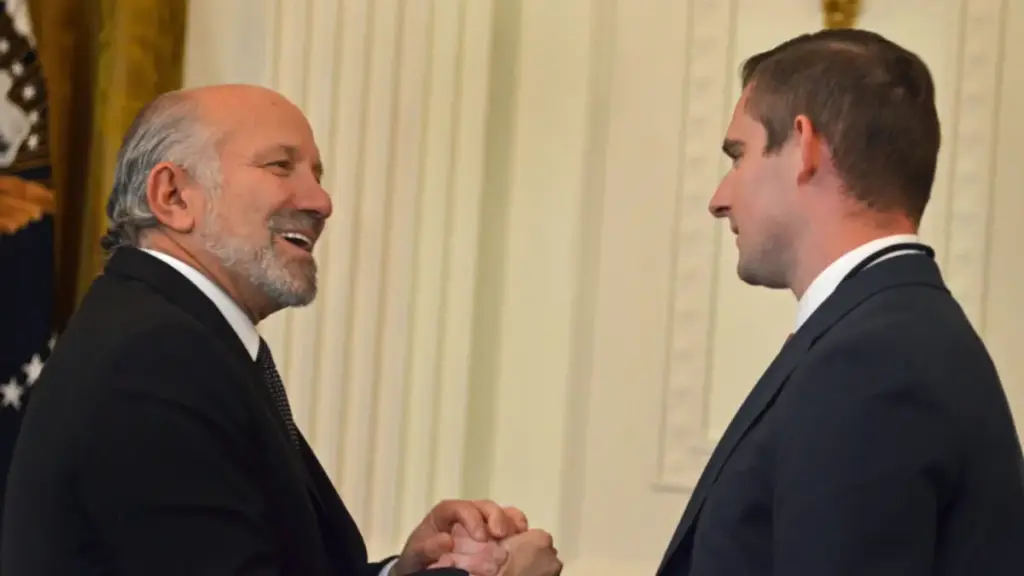
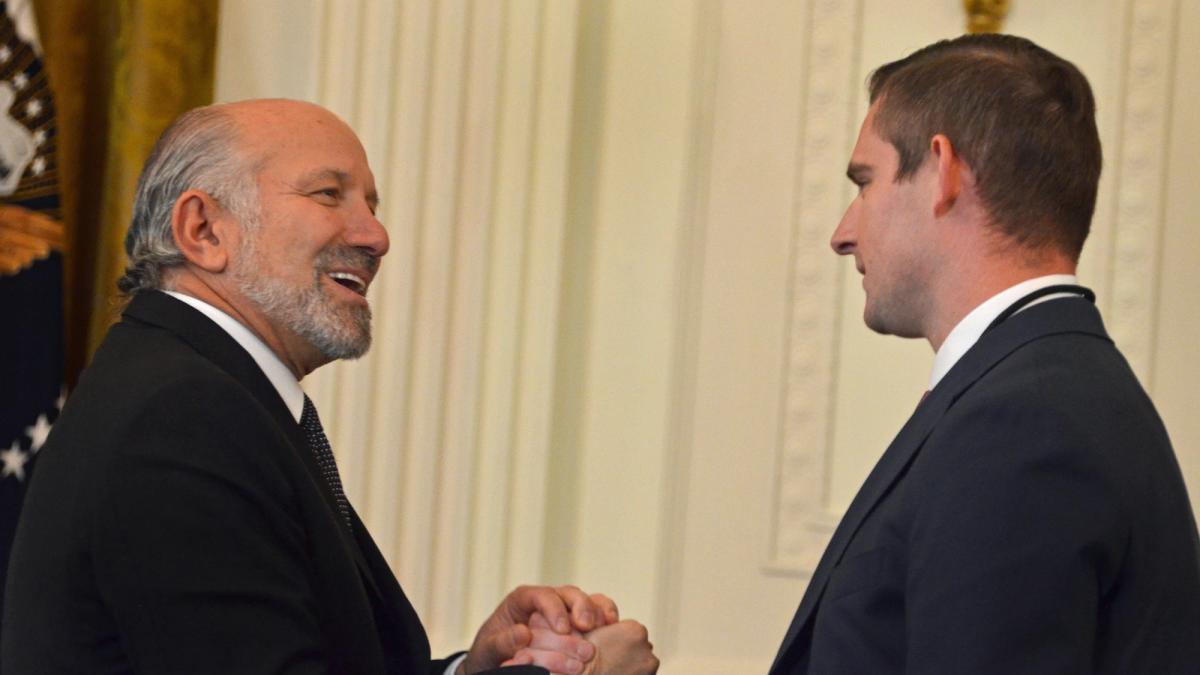
Blumenthal sent an official and probing letter on Thursday to Brandon Lutnick, the CEO of Cantor Fitzgerald. Brandon is the son of President Donald Trump’s Secretary of Commerce, Howard Lutnick, who handed over the executive reins of the major financial firm to his son when he officially joined the administration. For some time, Blumenthal has been actively scrutinizing Tether’s role within Iran’s shadow financial system and wider illicit networks. In his latest correspondence, he flagged the highly lucrative business relationship connecting the issuer of the world’s largest stablecoin with the U.S. firm responsible for handling its massive domestic reserves.
"Just as Tether has made untold millions in interest and investments from the stablecoins used in these illicit activities, so has Cantor Fitzgerald profited from its relationship with Tether," Blumenthal wrote in the letter. In his outreach, the senator questioned Lutnick directly about his company’s internal banking procedures, sanctions safeguards, and the historical involvement of his father during his time at the helm of Cantor Fitzgerald.
Questions Over Domestic Asset Custody and International Illicit Finance
The inquiry touches upon the unique operational structure of Tether, which officially maintains a corporate presence in El Salvador while parking the vast majority of its multi-billion-dollar backing assets squarely within the United States.
"While Tether claims to operate out of El Salvador, the vast majority of its assets reside in the United States under your custodianship," the Connecticut lawmaker wrote, pointing directly to the geographic concentration of the stablecoin’s reserves. "As Congress considers how to best regulate digital assets, your partnership with Tether will provide important insights into the inner workings of this industry."
Among the numerous detailed requests outlined in the letter, Blumenthal pressed the financial institution for transparency regarding its risk assessments and investigative protocols. "Please describe all steps Cantor Fitzgerald has taken to investigate allegations that Tether’s stablecoin has been used in illicit finance and money laundering, including within Iran’s shadow banking network and for purposes of Russia sanctions evasion," the senator demanded.
Despite the serious nature of the inquiries and the high-profile individuals involved, neither Cantor Fitzgerald nor Tether immediately responded to requests for comment sent through their respective corporate spokespeople. The silence from both entities leaves key questions unanswered regarding the extent of compliance checks performed on the substantial reserves managed by Cantor on behalf of the offshore stablecoin issuer.
Political Winds and Changing Congressional Authority
For months, congressional critics of the cryptocurrency industry—including prominent Democratic voices like Senator Elizabeth Warren alongside Blumenthal—have found their investigative reach severely constrained. Operating strictly as members of the minority party in the Senate limits their ability to unilaterally issue subpoenas, compel corporate testimony, or force compliance from reluctant private entities.
However, political forecasts heading into the final stretch of the election cycle suggest that dynamic could radically transform by next year. Securing a Democratic majority in the chamber would alter the legislative landscape overnight, placing these vocal critics at the helm of powerful committees equipped with full subpoena power to legally compel information, documents, and witness testimony from major financial and technological players.
Current market projections indicate that Democrats possess a better-then-even chance of retaking control of the Senate. Prominent prediction markets reflect this growing confidence among bettors and political analysts alike. Kalshi currently pegs the likelihood of a Democratic Senate takeover at 61%, while Polymarket places those odds slightly higher at 64%. Just several weeks prior, those same markets viewed the balance of power as a much tighter, fifty-fifty toss-up.
The political outlook in the U.S. House of Representatives appears even more favorable for the party. Both major prediction platforms show the statistical likelihood of a majority shift in the lower chamber at well over 90%. As the political tides continue to shift toward Capitol Hill Democrats, inquiries like Blumenthal’s targeting Cantor Fitzgerald and Tether represent just the beginning of what could become a much broader, highly empowered congressional reckoning for the digital asset sector.
 Global Crypto Markets
 Global Crypto Markets
 Global Crypto Markets