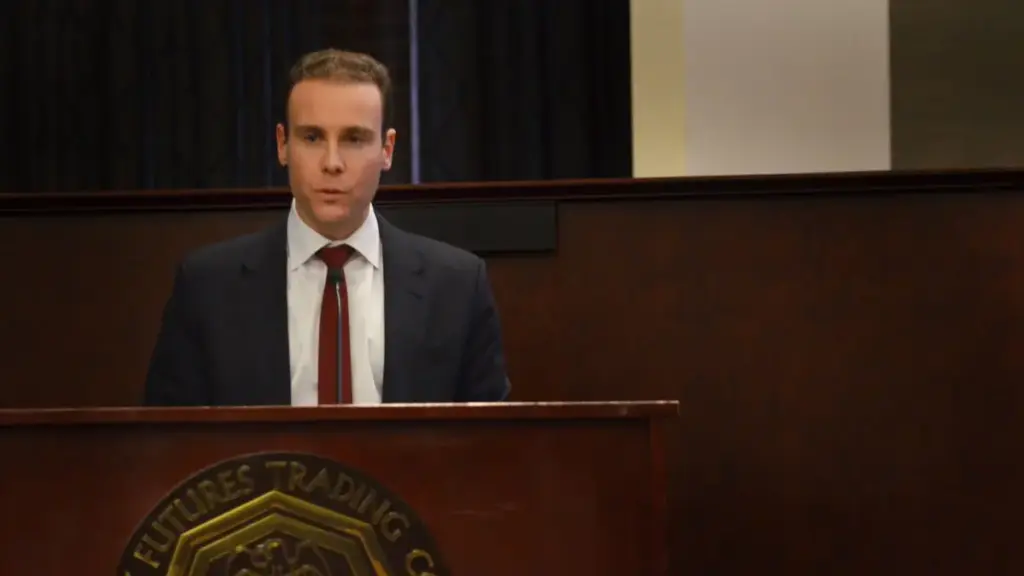
WASHINGTON — The U.S. Commodity Futures Trading Commission (CFTC) is accelerating its efforts to establish exclusive regulatory authority over prediction markets. On Friday, the derivatives regulator enacted a new interim final rule and proposed complementary changes designed to cement event contracts firmly under its jurisdiction as "swaps."
The move is a strategic step by CFTC Chairman Mike Selig to secure federal oversight for rapidly growing prediction platforms such as Kalshi and Polymarket, keeping them explicitly outside the reach of state gambling regulators.
Under the newly issued interim final rule, which takes effect immediately while welcoming public input, the agency has formally attempted to clarify the boundary between federally regulated derivatives and state-regulated activities. Specifically, the interim rule defines the types of sports wagering that do not constitute swaps—such as traditional casino-style gambling—thereby reassuring critics that the agency is not trying to swallow up traditional state and tribal gaming operations.
Simultaneously, in a related rule proposal published the same day, the CFTC moved to formally fold "event contracts, including those based on sports, politics, cultural, and weather-related events" into the existing federal regulatory definition of swaps. This secondary proposal is open for a relatively brief 30-day public comment period.
If finalized, these regulatory changes would provide the CFTC with a formidable legal instrument as it defends its turf in ongoing high-stakes battles across the federal court system and potentially before the U.S. Supreme Court.
Legal Battles and State Pushback
The regulatory maneuver comes as several U.S. states remain deeply embroiled in lawsuits against the federal regulator. State authorities have fiercely contested the CFTC’s claim to sole authority, arguing that prediction platforms are running illegal gambling operations by offering event-based and sports-related contracts directly to retail consumers.
Thus far, the judicial landscape has been mixed. Federal appellate courts have delivered conflicting opinions, with one circuit ruling against the states and two separate federal appellate rulings siding with state authorities who claim jurisdiction over local gambling laws.
The ongoing legal ambiguity has drawn sharp scrutiny from financial analysts and policy experts who are closely monitoring the regulatory showdown.
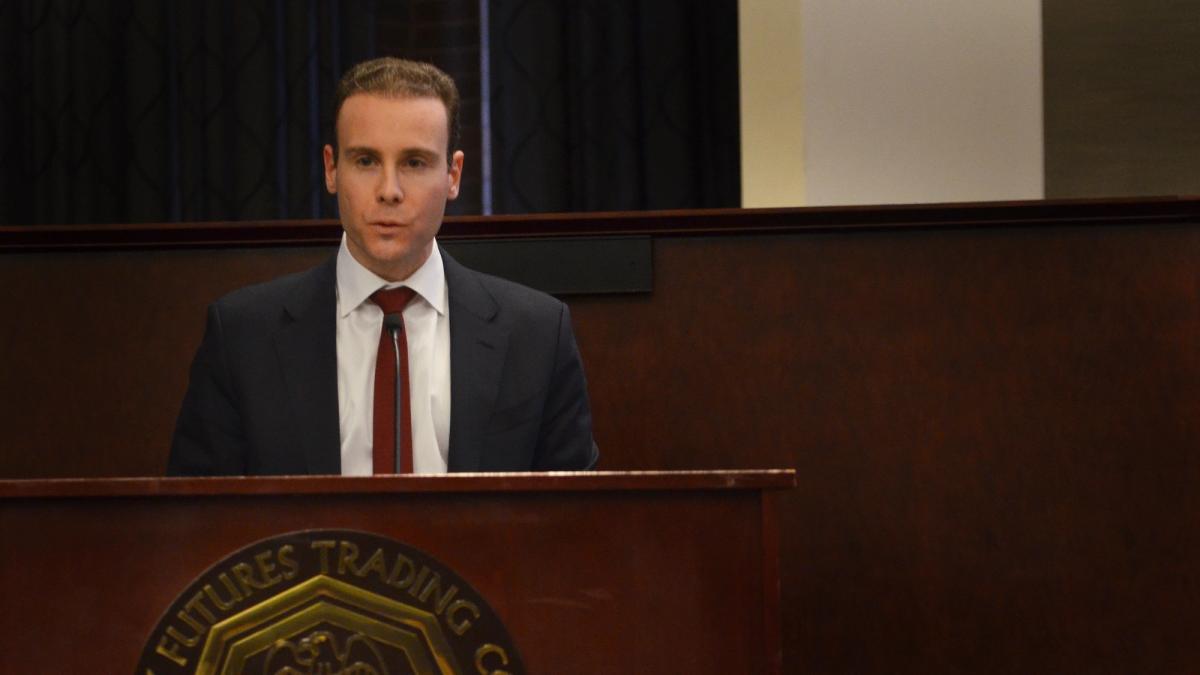
"We view this interim final rule as designed to improve the agency’s position in court as the states are arguing that the CFTC’s definition of a swap would make federally illegal any wager made at a state or tribal casino or sportsbook," wrote Jaret Seiberg, a policy analyst at TD Cowen, in a note to clients on Friday. "Whether this actually works is a different question."
Opponents of the CFTC’s aggressive stance—including various state officials and former federal government figures who helped draft the original statutes governing swaps and gambling—have not waited for the rulemaking process to finish. Earlier this week, these critics formally submitted their legal arguments to the U.S. Supreme Court, which has been asked to step in and definitively resolve the jurisdictional conflict.
With Friday’s actions, however, Chairman Selig and the CFTC can now demonstrate to the judiciary that the agency has already initiated formal regulatory implementation of its long-held view on prediction markets, transforming a policy preference into concrete federal rules.
A Fast-Tracked Regulatory Process
The speed with which the CFTC has advanced these definitions underscores the urgency within the agency. The regulatory actions had been submitted for White House review less than two weeks prior to their public release, moving through the administrative pipeline at an unusually swift pace.
For the CFTC, clarifying the distinction between traditional casino gambling—which it insists is outside its purview—and federally regulated event contracts is crucial to defusing critics’ arguments. Companies like Kalshi have found themselves aligned with the federal regulator on this issue, actively advocating for the CFTC to serve as their singular, centralized federal watchdog rather than navigating a patchwork of conflicting state-level gambling restrictions.
The unilateral nature of the agency’s actions is also a byproduct of current political dynamics in Washington. Chairman Selig currently sits as the lone commissioner on what is structurally designed to be a five-member bipartisan commission. President Donald Trump has thus far declined to nominate additional commissioners to fill the remaining vacancies at the CFTC.
A nearly identical dynamic is playing out across town at the U.S. Securities and Exchange Commission (SEC), where the five-member panel is currently operating with only two commissioners. The Trump administration has pursued a concerted strategy to reshape federal oversight bodies by removing or limiting the presence of dissenting voices at major financial and economic regulatory agencies, leaving agency leadership with unprecedented latitude to implement sweeping policy shifts on their own authority.
 Global Crypto Markets
 Global Crypto Markets
 Global Crypto Markets