The Central Bank of Russia has reached a significant milestone in the deployment and public uptake of its central bank digital currency (CBDC), following a nationwide rollout that has captured the attention of individual citizens, small business owners, and major financial institutions alike.
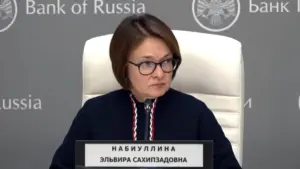
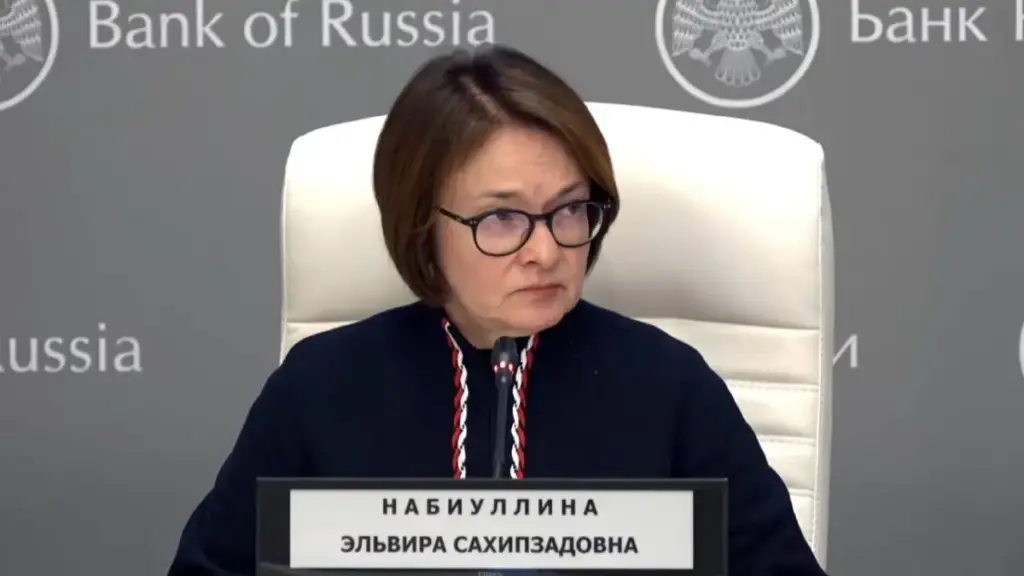
At a recent press conference held after a central bank board meeting on monetary policy, Elvira Nabiullina, Governor of the Central Bank of Russia, revealed that digital ruble adoption is progressing at a pace that has visibly outstripped initial projections. The national rollout, which officially commenced on September 1 following more than three years of rigorous pilot testing and technological refinement, has seen an influx of consumer and business participation that the central banking institution initially considered overly ambitious.
Addressing reporters, Nabiullina acknowledged that the institution’s preliminary forecasts for the CBDC’s debut were intentionally conservative, yet the reality on the ground has proven remarkably different. The level of public and commercial interest, she noted, turned out to be much stronger than expected. Currently, the total number of digital ruble accounts opened across the federation has reached 270,000. Among these accounts, approximately 15,000 have been established by legal entities, while the remainder belong to individual entrepreneurs and everyday retail users.
The strong performance of the digital currency highlights a broader trend within the Russian domestic economy, where small and medium-sized enterprises are actively searching for innovative, secure, and efficient payment instruments. Nabiullina emphasized that small businesses and individual entrepreneurs are showing a very significant and sustained interest in what the digital ruble may offer them in terms of transaction speed, reduced overhead, and modern financial management tools. This burgeoning commercial enthusiasm suggests that the digital ruble is rapidly moving past the experimental phase and embedding itself into the daily operational workflows of Russian enterprises.
Tracking the Trajectory of Russia’s CBDC Growth
The path leading to the current milestone has been characterized by steady, incremental momentum that accelerated sharply in the weeks following the September 1 nationwide launch. To contextualize the current figures, initial public interest immediately following the deployment was already notable, with official data indicating that 87,000 users had successfully opened digital ruble accounts by September 11.
Comparing the post-launch figures from September with the current tally of 270,000 accounts reveals a dramatic acceleration in user acquisition over a relatively short span of two months. This substantial growth trajectory indicates that consumer awareness and institutional backing are translating into tangible engagement, transforming the digital currency from a theoretical central bank project into a practical, everyday medium of exchange.
The Central Bank of Russia has maintained a proactive stance throughout this rollout, engaging in continuous consultations with commercial banks, financial technology firms, and business associations. These ongoing dialogues are designed to help the regulatory body understand the evolving needs of the market and develop secondary services built on top of the foundational digital ruble platform. By working closely with commercial stakeholders, the central bank aims to ensure that the CBDC ecosystem remains adaptable, user-friendly, and capable of addressing specific commercial pain points.
As part of this ongoing developmental strategy, Nabiullina outlined several upcoming enhancements intended to broaden the utility of the digital currency and incentivize even greater adoption. Toward the end of November, the central bank plans to launch a dedicated subscription service via the digital ruble platform. Market research and consultations suggest that this feature will be heavily utilized by businesses and consumers managing recurring payments, utilities, and digital memberships.
Looking further ahead into the upcoming year, the Central Bank of Russia intends to begin testing offline payment functionalities. The introduction of offline transaction capabilities is widely viewed as a critical component for ensuring that the digital ruble can compete effectively with physical cash and traditional debit cards, particularly in regions with intermittent internet connectivity or during emergencies. Additionally, several other specialized services tailored specifically to the needs of commercial enterprises are slated for release next year.
Wider Institutional Integration and Ecosystem Expansion
Beyond the direct actions of the central bank, broader governmental and parliamentary institutions are actively moving to integrate the digital ruble into standard administrative and financial procedures, thereby reinforcing its validity and encouraging widespread adoption among citizens.
Recently, the Ministry of Finance announced a major step toward normalization by allowing its own employees to collect their wages in digital rubles. In making this announcement, ministry officials stressed that this payment option is not restricted to government workers alone, but is readily available to all Russian citizens who wish to receive their compensation in the national digital currency. This institutional embrace by key government bodies serves as a powerful endorsement, signaling to the wider workforce that the digital ruble is a secure, reliable, and fully backed alternative to traditional fiat deposits and cash.
Legislative figures are similarly paving the way for a more integrated financial architecture. Anatoly Aksakov, head of the State Duma Committee on the Financial Market, highlighted the ongoing efforts to connect the digital ruble network directly with existing fiat banking systems. Establishing these technological bridges will allow for seamless direct ATM withdrawals and deposits, effectively marrying the digital-native asset with physical cash infrastructure. By making it as easy to withdraw, deposit, and spend digital rubles as it is traditional currency, regulators hope to lower the psychological and practical barriers to entry, ultimately enticing a broader segment of the population to embrace the Russian CBDC as a natural extension of their daily financial lives.
 Bitcoin & Major Altcoins
 Bitcoin & Major Altcoins
 Bitcoin & Major Altcoins