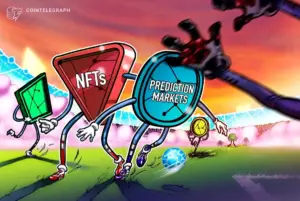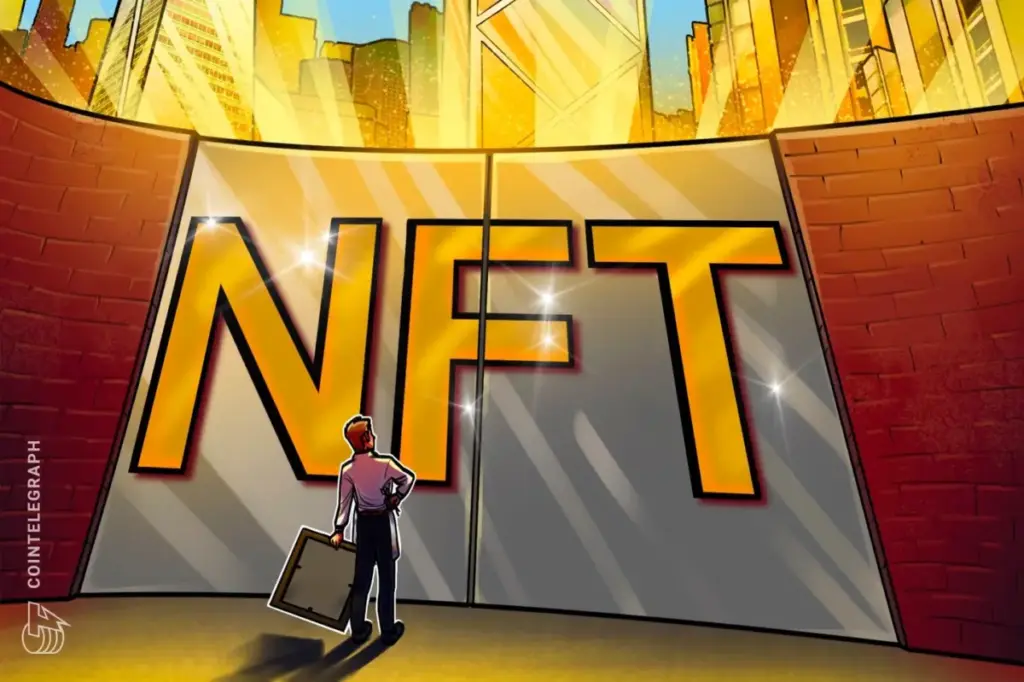
Nonfungible token marketplace Blur, which once stunned the digital asset ecosystem by briefly overtaking OpenSea as the largest NFT marketplace by trading volume, has announced that it is shutting down its website next month. While the sudden move marks a dramatic chapter’s end for one of the most high-profile platforms of the 2021–2023 crypto cycle, some prominent NFT collectors and community members have made it clear that they could not be happier to see the platform go.
Blur made the surprising announcement on X on Monday, marking its first post on the social media platform in more than a year. According to the announcement, the platform’s frontend interface will officially shut down on November 12. However, the protocol’s underlying onchain marketplace infrastructure will remain operational, allowing basic smart contract interactions to persist independently of the website interface.
Alongside the website shutdown, Blend, the peer-to-peer perpetual NFT lending protocol built by the Blur team, will also stop matching new loans. Blur stated that existing borrowers have until November 12 to repay their outstanding loans or allow them to default according to the protocol’s parameters. To mitigate potential asset lockups, the platform also promised to provide a dedicated withdrawal interface even after the primary website frontend has been taken offline.
The announcement immediately reignited old debates and drew harsh criticism from digital artists and collectors who blamed the marketplace’s aggressive design choices for severely damaging the broader NFT economy.
"Good riddance. You destroyed NFTs. Please shut down and never come back," said NFT collector Cryptobscure in a widely circulated reply to the announcement on X.
Another prominent collector, starfruit, echoed the sentiment in a separate post on the platform, writing, "You may not have been able to complete your mission to destroy NFTs. But you acted with extreme determination and tried everything. Congratulations to us for surviving you."
The Legacy of Optional Royalties and Token Rewards
The final closure announcement quickly renewed intense criticism of the strategic playbook that helped Blur rocket to the top of the NFT market charts in 2023. By introducing optional creator royalties alongside lucrative token rewards, Blur successfully incentivized institutional traders and high-volume flippers to rapidly buy, bid, and sell digital assets on its platform.
This meteoric rise accelerated a broader, industry-wide shift away from mandatory creator royalties. Rival marketplace OpenSea, which had long defended traditional creator fees, eventually felt compelled to respond to Blur’s competitive pressure, later moving to optional creator fees for newly launched collections in an effort to regain market share.
Blur originally launched on October 19, 2022, introducing a novel model that allowed sellers to customize or reduce their royalty payments while offering larger prospective token rewards to traders who voluntarily paid higher creator royalties. However, Blur entered a digital marketplace where royalty protections were already rapidly weakening. Competing marketplace Magic Eden had already moved to optional creator royalties the very previous week, demonstrating a growing industry trend toward lower fees amid tightening liquidity.
The impact on creators was swift and profound. By July of the following year, blockchain analytics platform Nansen reported that effective creator royalty fees across the ecosystem had fallen precipitously to just 0.6% in July 2023, down sharply from an average of 2.5% throughout 2022. Nansen attributed a massive portion of that drastic decline directly to Blur’s rapid growth, its minimum royalty policy, and the defensive decisions made by legacy competitors like OpenSea to lower their own royalty requirements to stay competitive.
NFT Sales Slump from Boom-Era Highs
Blur did not officially disclose the underlying reasons behind its decision to shutter its website frontend and wind down new lending activity on Blend.
However, the major wind-down arrives at a time when overall NFT trading volume remains depressed, lingering far below the euphoric boom-era levels of previous years. Comprehensive data compiled by CryptoSlam indicates that total NFT sales for the month of September stood at $167 million spread across approximately 2.9 million total transactions. For comparison, the entire sector reached an astronomical peak in January 2022, when monthly sales volume touched $6 billion across 13.7 million transactions.
The broader web3 landscape has seen a steady wave of consolidation and market exits among digital art and collectible platforms. Gemini-owned Nifty Gateway and social collecting platform Rodeo both announced plans to wind down their operations in January, while Foundation announced its corporate closure in April after a prospective sale intended to keep the marketplace operating ultimately fell through. Major cryptocurrency exchange Binance also ended standalone NFT support on its primary exchange infrastructure, shifting asset management responsibilities over to Binance Wallet.
Cointelegraph reached out to Blur founder Tieshun "Pacman" Roquerre for formal comment regarding the website closure and the future of the underlying protocol.
 Non-Fungible Tokens (NFTs)
 Non-Fungible Tokens (NFTs)
 Non-Fungible Tokens (NFTs)