

Prediction marketplace Kalshi has reached a staggering $22 billion valuation after successfully closing a $1 billion Series F funding round, marking a dramatic milestone that underscores the surging venture capital interest in regulated event trading platforms. The newly minted valuation effectively doubles Kalshi’s overall worth from just five months prior, reflecting an unprecedented acceleration in institutional backing for the sector.
The high-profile funding round was spearheaded by prominent venture capital firm Coatue Management, with significant participation from other heavyweights including Andreessen Horowitz, Sequoia Capital, Morgan Stanley, and Ark Invest. This heavy infusion of capital arrives as institutional and retail investors alike increasingly view prediction markets as one of the fastest-growing and most dynamic segments within the broader digital finance ecosystem.
Andreessen Horowitz has shown a particularly strong conviction in this asset class. The firm’s dedicated crypto unit, a16z crypto, recently closed a massive $2.2 billion fund and explicitly identified prediction markets as a core investment theme moving forward. This institutional validation has helped propel Kalshi into the upper echelon of the industry, cementing its status as a dominant platform for speculative and hedging activities alike. According to a company spokesperson speaking with Bloomberg, Kalshi’s annualized revenue run rate has now surpassed the impressive threshold of $1.5 billion.

The structural makeup of Kalshi differentiates it significantly from some of its primary competitors in the space. Unlike rival platforms such as Polymarket, which operates primarily on decentralized blockchain infrastructure, Kalshi runs a centralized and federally regulated marketplace. This operational model allows users to trade legally on the outcomes of a wide array of real-world events, encompassing everything from political elections and macroeconomic data releases to pop culture and sports outcomes.
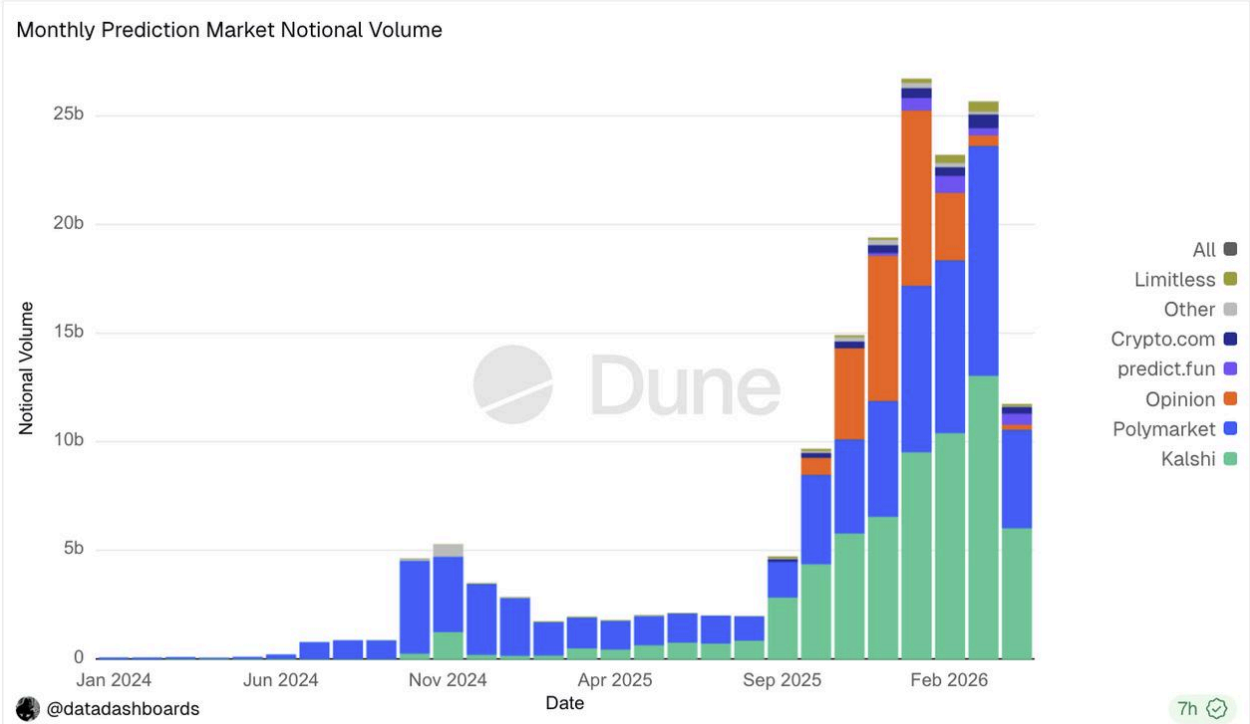
The broader market demand for these platforms is undeniable. Together, Kalshi and Polymarket accounted for the vast majority of the more than $25 billion in total prediction market trading volume recorded during the previous month, highlighting a massive shift in how market participants consume and react to real-world information.
Amid this explosive growth, Kalshi has also actively expanded its crypto ambitions to capture a wider audience of digital asset users. The company recently appointed John Wang to serve as its head of crypto, signaling a strategic push toward tighter integration with decentralized ecosystems. Wang noted in a statement to Forbes that the company’s ultimate vision is to embed Kalshi’s prediction markets directly into every major cryptocurrency application across the market. This strategy is designed to challenge the dominant crypto-native connections enjoyed by competitors like Polymarket by bridging the gap between federally regulated traditional finance structures and Web3 infrastructure.
Regulatory scrutiny intensifies as prediction markets expand
The latest wave of venture capital backing arrives at a critical juncture, as Wall Street analysts increasingly argue that prediction markets are rapidly evolving from mere tools for retail speculation into sophisticated institutional financial instruments. In a recent research note, financial services firm Bernstein asserted that prediction markets are officially entering an "institutional era." This transition is being largely driven by a surging corporate demand for bespoke block trades and custom event contracts, which allow firms and institutional entities to hedge effectively against specific macroeconomic, political, and geopolitical risks.
However, even as the sector gains mainstream financial legitimacy, it faces mounting legal and political scrutiny within the United States. According to reports from NPR, Kalshi is currently embroiled in at least 19 distinct federal lawsuits centering on whether its innovative event contracts run afoul of complex state-level gambling laws.
A coalition of U.S. states, including Massachusetts, New Jersey, Arizona, Nevada, Illinois, and Connecticut, has actively challenged Kalshi’s ongoing operations within their borders. These state authorities argue that certain sports-related and event-based contracts offered on the platform amount to unlicensed and unregulated gambling, threatening to upend the company’s localized compliance frameworks.
Political pressure has likewise intensified within the halls of power in Washington, D.C. Federal lawmakers, particularly among Democratic circles, have begun calling for significantly tighter oversight of the prediction market industry. These legislative concerns have been exacerbated by anxieties over potentially "suspicious trades" tied to sensitive geopolitical events and national security developments.
In response to this escalating regulatory pressure, Kalshi has proactively bolstered its policy, legal, and regulatory bench to protect its business model. The company recently brought on prominent former Obama administration staffer Stephanie Cutter as a high-level policy adviser. Industry observers widely view this strategic hire as a calculated effort by Kalshi to strengthen its political relationships in Washington, improve its standing among skeptical lawmakers, and effectively navigate the increasingly complex web of regulatory challenges facing the modern prediction market landscape.
 Crypto Startups & Venture Capital
 Crypto Startups & Venture Capital
 Crypto Startups & Venture Capital