As Democrats steadily rise in their potential to take back a Senate majority, Senator Richard Blumenthal is digging into Tether’s U.S. financial partnership. The top Democrat on the Senate Permanent Subcommittee on Investigations has turned his sharp focus toward the complex ties binding financial services firm Cantor Fitzgerald to Tether, the worldwide leader in stablecoins. If Democratic momentum continues to build ahead of the November election, Blumenthal and his congressional colleagues may soon find themselves armed with significantly more authority to pursue such high-stakes financial probes.
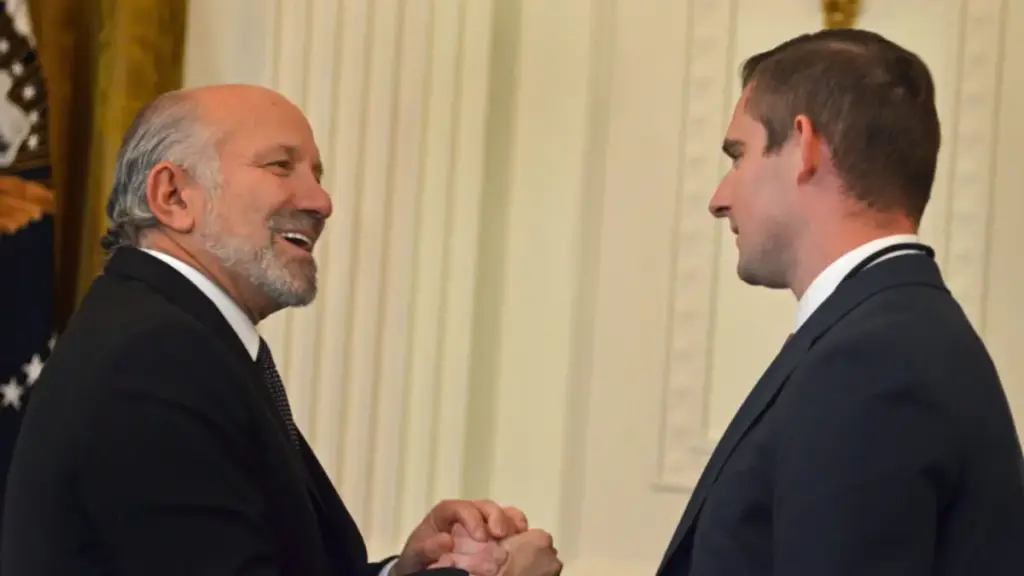
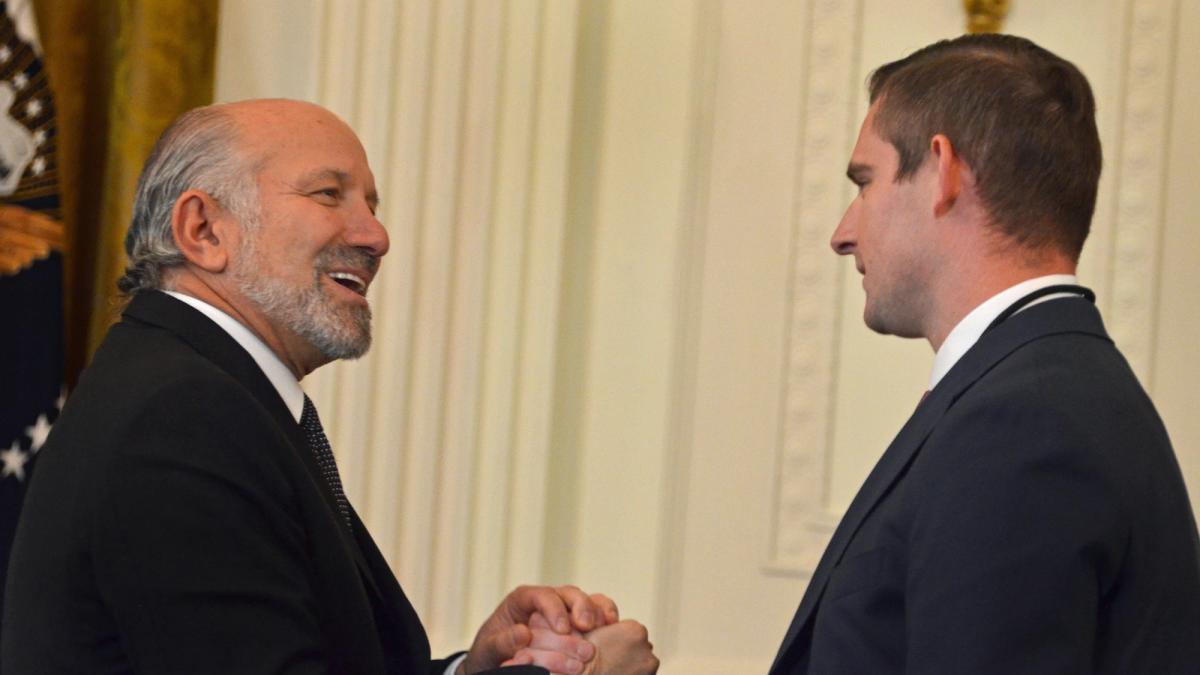
Blumenthal sent an official and rigorous letter to Cantor Fitzgerald’s CEO, Brandon Lutnick. The executive is the son of U.S. Commerce Secretary Howard Lutnick, who handed over the reins of the financial firm to his son upon joining the administration. Blumenthal has spent recent months deeply scrutinizing Tether’s role in Iran’s financial system and broader shadow banking networks. In his latest correspondence, the lawmaker flagged the lucrative business connection between the issuer of USDT—the world’s most dominant stablecoin—and the prominent U.S. firm that handles and custodies its vast reserves.
The relationship between the two entities has long been a subject of interest for financial regulators and lawmakers tracking the intersection of traditional finance and the digital asset economy. Tether generates massive amounts of capital through interest and investments derived from the fiat reserves backing its digital tokens. Critics and investigators have increasingly questioned the flow of these funds and the adequacy of the compliance measures surrounding them.
"Just as Tether has made untold millions in interest and investments from the stablecoins used in these illicit activities, so has Cantor Fitzgerald profited from its relationship with Tether," Blumenthal wrote in the Thursday letter. In his correspondence, the senator directly questioned Brandon Lutnick regarding the company’s internal banking safeguards, its compliance with international sanctions, and his father’s historical and operational oversight of the partnership during his time leading Cantor Fitzgerald.
The inquiry highlights a central paradox in the modern cryptocurrency market: while offshore entities often issue and manage digital assets, their real-world financial scaffolding frequently relies heavily on traditional, highly regulated U.S. financial institutions. Tether frequently emphasizes its operational footprint outside the United States, positioning itself primarily in jurisdictions like El Salvador. However, lawmakers and regulatory watchdogs point out that the practical reality of the stablecoin’s multi-billion-dollar backing tells a different story.
"While Tether claims to operate out of El Salvador, the vast majority of its assets reside in the United States under your custodianship," the Connecticut lawmaker wrote in his letter to the Cantor CEO. "As Congress considers how to best regulate digital assets, your partnership with Tether will provide important insights into the inner workings of this industry."
The Senator’s investigation is not merely theoretical; it seeks specific, actionable transparency from one of Wall Street’s most established firms. Among the numerous detailed requests outlined in the letter, Blumenthal asked for a comprehensive accounting of the firm’s compliance and investigative actions.
"Please describe all steps Cantor Fitzgerald has taken to investigate allegations that Tether’s stablecoin has been used in illicit finance and money laundering, including within Iran’s shadow banking network and for purposes of Russia sanctions evasion," the letter demands.
Despite the serious nature of the inquiries and the high-profile targets involved, representatives for both Cantor Fitzgerald and Tether did not immediately respond to official requests for comment sent to their respective spokespeople following the public release of the letter.
The timing of Blumenthal’s inquiry coincides with a broader, potentially seismic shift in the political landscape of Washington, D.C. For months, aggressive congressional critics of the cryptocurrency industry—including high-profile figures such as Senator Elizabeth Warren and Senator Blumenthal himself—have found their legislative and investigative powers limited by their status as members of the minority party in the Senate. Without control of committee gavels, minority lawmakers often struggle to legally compel document production or force reluctant corporate executives to testify under oath.
However, securing a Democratic majority in the upcoming November midterm elections would fundamentally alter that dynamic. If Democrats manage to win several more seats in the chamber, lawmakers like Blumenthal could find themselves positioned directly atop powerful oversight committees. Such positions come with robust subpoena power, transforming current requests for voluntary transparency into legally binding demands that carry severe penalties for non-compliance.
Political handicappers and prediction markets currently suggest that Democrats enjoy a notable and growing advantage in their bid to retake the upper chamber. Market sentiment has shifted perceptibly over recent weeks. Data from prominent prediction platforms indicates a strong statistical likelihood of a changing congressional guard. Kalshi currently pegs the probability of a Democratic Senate takeover at 61%, while rival platform Polymarket places the odds slightly higher at 64%. Just several weeks prior, those same markets viewed the balance of power as a much tighter, fifty-fifty toss-up.
The projected political landscape in the U.S. House of Representatives appears even more favorable for the Democratic Party. Both Kalshi and Polymarket show the likelihood of a majority shift in the lower chamber at well over 90%, pointing toward the strong possibility of a unified or split Congress where Democratic investigators would hold sweeping institutional power to scrutinize the digital asset sector.
As the political campaign enters its final stretch and regulatory scrutiny intensifies, the intersection of cryptocurrency reserves, Wall Street custodians, and international geopolitics remains a focal point for federal legislators. Whether Cantor Fitzgerald and Tether will provide the voluntary disclosures demanded by the Senate Permanent Subcommittee on Investigations remains to be seen, but the outcome of the upcoming elections ensures that the pressure on the crypto industry’s financial pipelines is unlikely to subside anytime soon.
 Cryptocurrency News
 Cryptocurrency News
 Cryptocurrency News