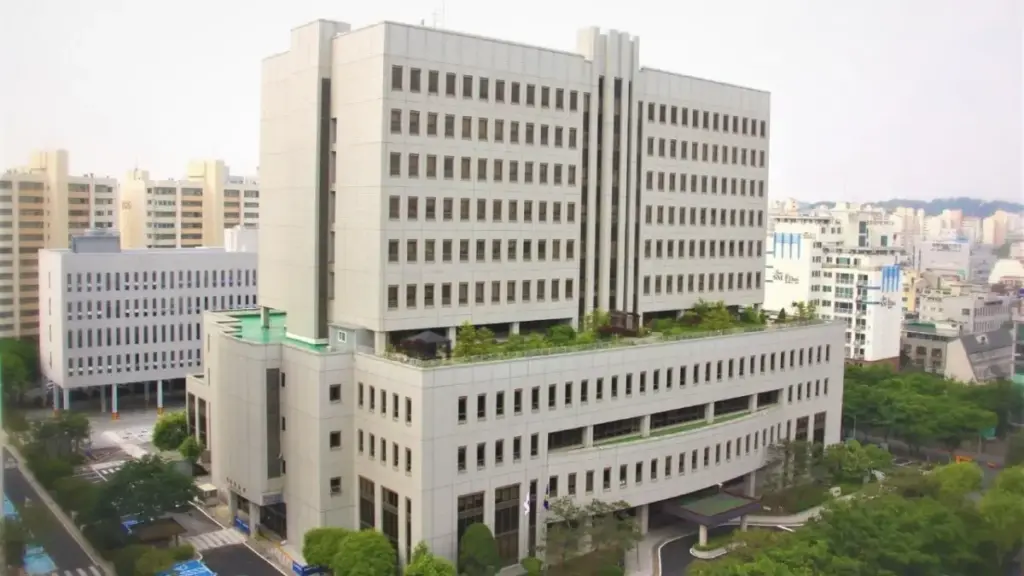
Park, a 45-year-old internet personality widely recognized by his online moniker "Coin King Jonber Kim," walked free after the Seoul Southern District Court ruled that the state failed to establish a direct legal link between his deceptive promotional tactics and the actual financial losses suffered by token buyers. Prosecutors had aggressively pursued a 20-year prison sentence for Park, alongside the total forfeiture of more than $14 million from his personal estate, framing him as the principal mastermind behind a sophisticated, multi-token fraud ring.
The high-stakes verdict marks one of the most notable trials involving digital assets in South Korea to date, shedding light on the immense legal and evidentiary hurdles prosecutors face when attempting to prosecute complex crypto market manipulation cases under existing financial statutes.
‘Coin King Jonber Kim’ Acquitted in Massive Crypto Fraud Case
The trial centered on accusations that Park had masterminded the issuance and promotion of two distinct digital tokens, known as Podo coin and ATube. According to the state’s indictment, Park and his associates utilized their influence to make false, exaggerated promises to everyday investors, artificially inflating the values of the tokens before orchestrating coordinated sell-offs. Investigators asserted that these fraudulent pump-and-dump operations allowed Park to siphon an astonishing $253 million in investor funds directly into his own pockets.
Before his legal troubles mounted, Park cultivated a lavish public persona under the "Jonber Kim" brand. He routinely flaunted his supposed extreme wealth across various social media channels, posting images and videos of high-end luxury cars, expensive timepieces, and exclusive lifestyles. He explicitly attributed his multi-million-dollar fortune to savvy trading and investments within the burgeoning digital asset market, attracting thousands of loyal followers who sought to emulate his financial success.
However, despite the sweeping nature of the allegations and the severe punishment demanded by the prosecution, the Seoul Southern District Court ultimately concluded that the evidentiary foundation of the case was fundamentally flawed.
While the court explicitly acknowledged that Park and his co-defendants had indeed utilized deceptive proposals and misleading white paper documents to generate artificial hype around the tokens, the judges ruled that the prosecution failed to prove these specific documents were the decisive factor that triggered investors to purchase the digital currencies.
Delivering its decision, the court highlighted the complex and decentralized nature by which modern investors gather financial information.
"Even among the victims whose statements were confirmed, there are cases where they purchased based on blogs, Youtube, communities, or acquaintances’ introductions rather than white papers or the defendants’ materials, or where the purchasing circumstances were not revealed," the court noted in its ruling.
Because prosecutors could not definitively bridge the gap between Park’s deceptive marketing materials and the independent decision-making processes of individual buyers, the court determined that a conviction under the strict standards of financial crime statutes could not be sustained.
South Korea Intensifies Crackdown on Digital Asset Crime
The acquittal of Park arrives amid a broader, highly aggressive regulatory and legal crackdown by South Korean authorities aimed at cleaning up the country’s domestic cryptocurrency sector. South Korea has long been one of the most active and dynamic retail crypto markets in the world, making it a frequent target for bad actors seeking to exploit regulatory gray areas and enthusiastic retail investors.
In a related development underscoring the judiciary’s stern stance on digital asset misconduct, the very same Seoul court recently handed down a severe 15-year prison sentence to Jeong Sang-ho, the former chief executive officer of Delio. Delio operated as a prominent digital asset bank before collapsing into insolvency in November 2024. In the case against Jeong, the court successfully established that the executive had systematically embezzled $49.2 million in customer assets, dealing a severe blow to consumer trust in centralized crypto yield platforms.
Beyond the courtroom, South Korean regulatory bodies are increasingly turning to advanced technology to police the nation’s sprawling digital economy. The Financial Supervisory Service (FSS) has recently deployed sophisticated artificial intelligence technologies designed to monitor, detect, and automatically flag potential cryptocurrency market manipulation schemes in real time across the country’s largest digital asset trading venues.
According to financial regulators, this automated surveillance system is capable of identifying abnormal trading patterns, sudden liquidity shifts, and coordinated price volatility that historically signal the early phases of pump-and-dump operations and illicit insider trading rings.
As South Korean authorities continue to refine their regulatory frameworks and deploy cutting-edge AI tools to police the blockchain sector, the high-profile acquittal of "Coin King Jonber Kim" serves as a stark reminder of the rigorous evidentiary standards required to secure convictions in complex, decentralized financial markets.
 Bitcoin & Major Altcoins
 Bitcoin & Major Altcoins
 Bitcoin & Major Altcoins