Luxor’s latest Monthly Lookback Series tracking Bitcoin hashrate market activity reveals that September 2026 proved to be a month of delicate balance for Bitcoin miners. Following an explosive rally in August that added $7.70 to hashprice in just twelve days, September was met with an overarching market question: would Bitcoin’s upward trajectory continue, or would climbing network difficulty claw back those gains? As it turned out, the market delivered a mixture of both forces, leaving spot hashprice virtually unchanged from where the month began.

Spot Hashprice and Its Constituents
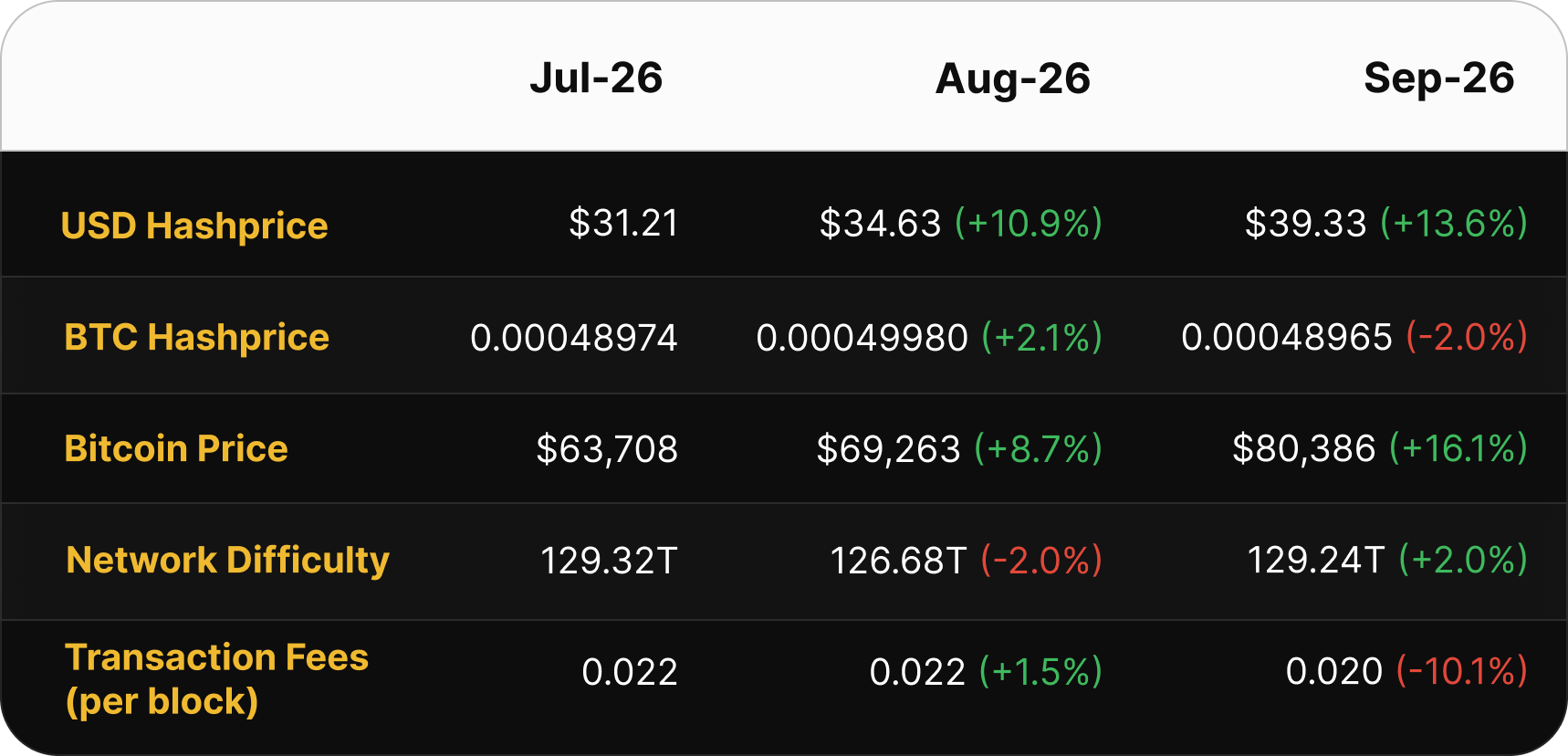
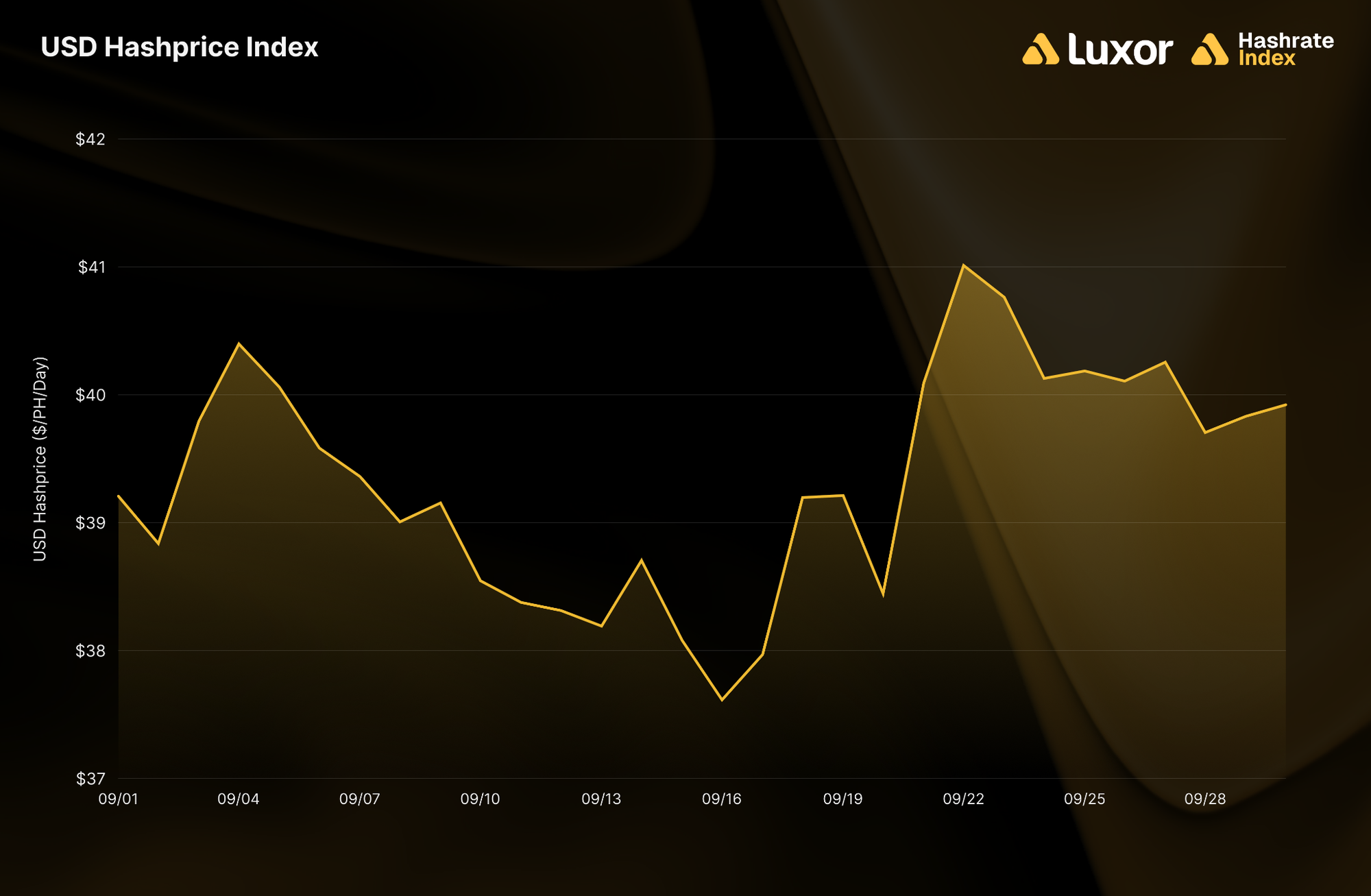
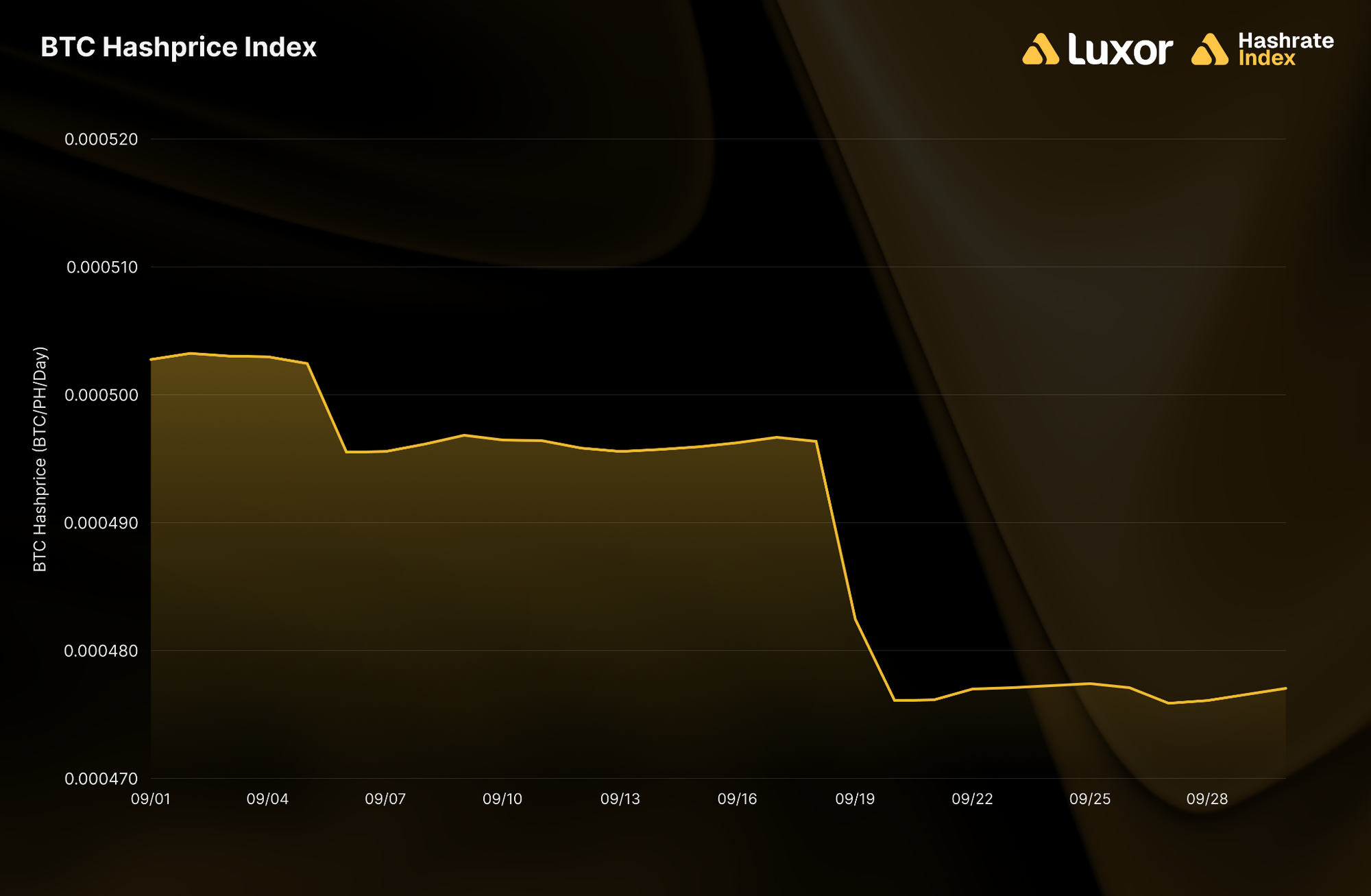
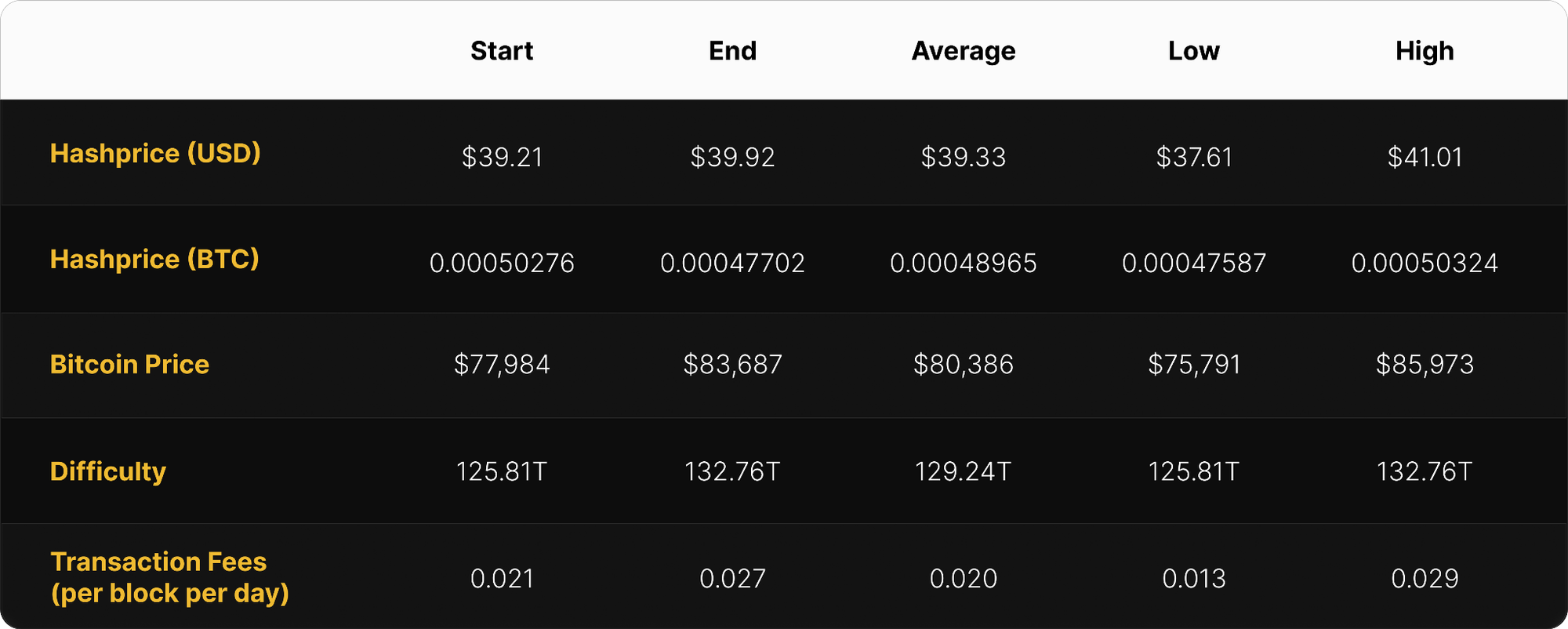
USD hashprice successfully defended the ground won during August while capturing only modest additional upside. The month opened at $39.21 per PH/s/day, closed at $39.92 to mark a 1.8% gain, and averaged $39.33, representing the highest monthly average seen since January. Throughout the month, nine days settled above the $40 threshold—the highest frequency recorded in any single month since November 2025, compared to just one such day in August.
The trading range for the month remained relatively narrow by the standards of 2026, establishing a low of $37.61 on September 16 and a high of $41.01 six days later. Beneath these headline figures, Bitcoin’s spot price acted as an upward catalyst for hashprice, while increasing network difficulty exerted a nearly equal and opposite downward pull.
Bitcoin Price Volatility and Macro Pressures
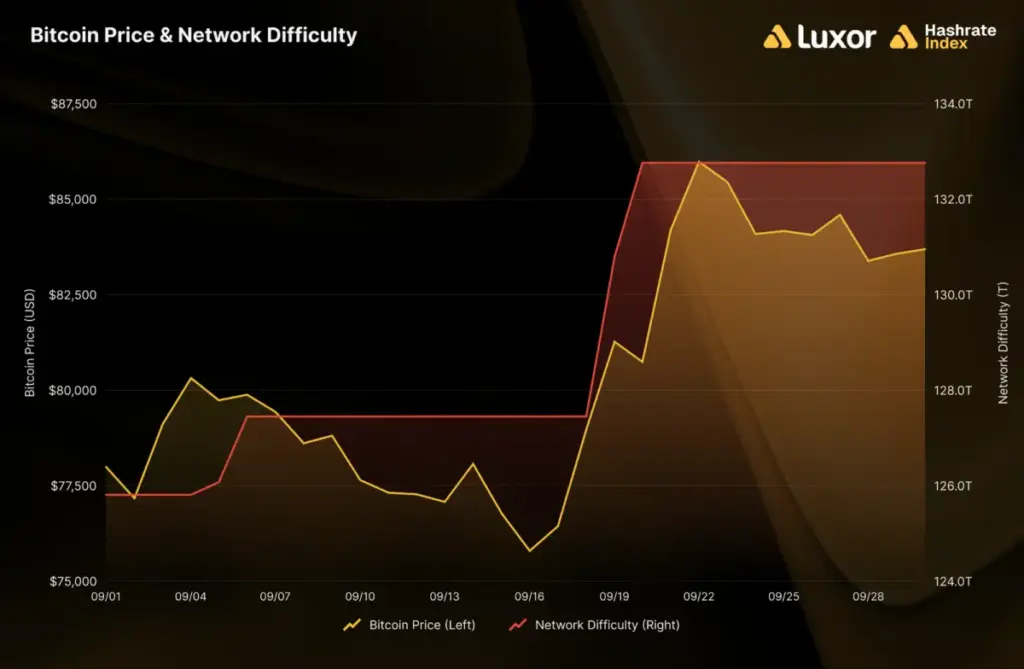
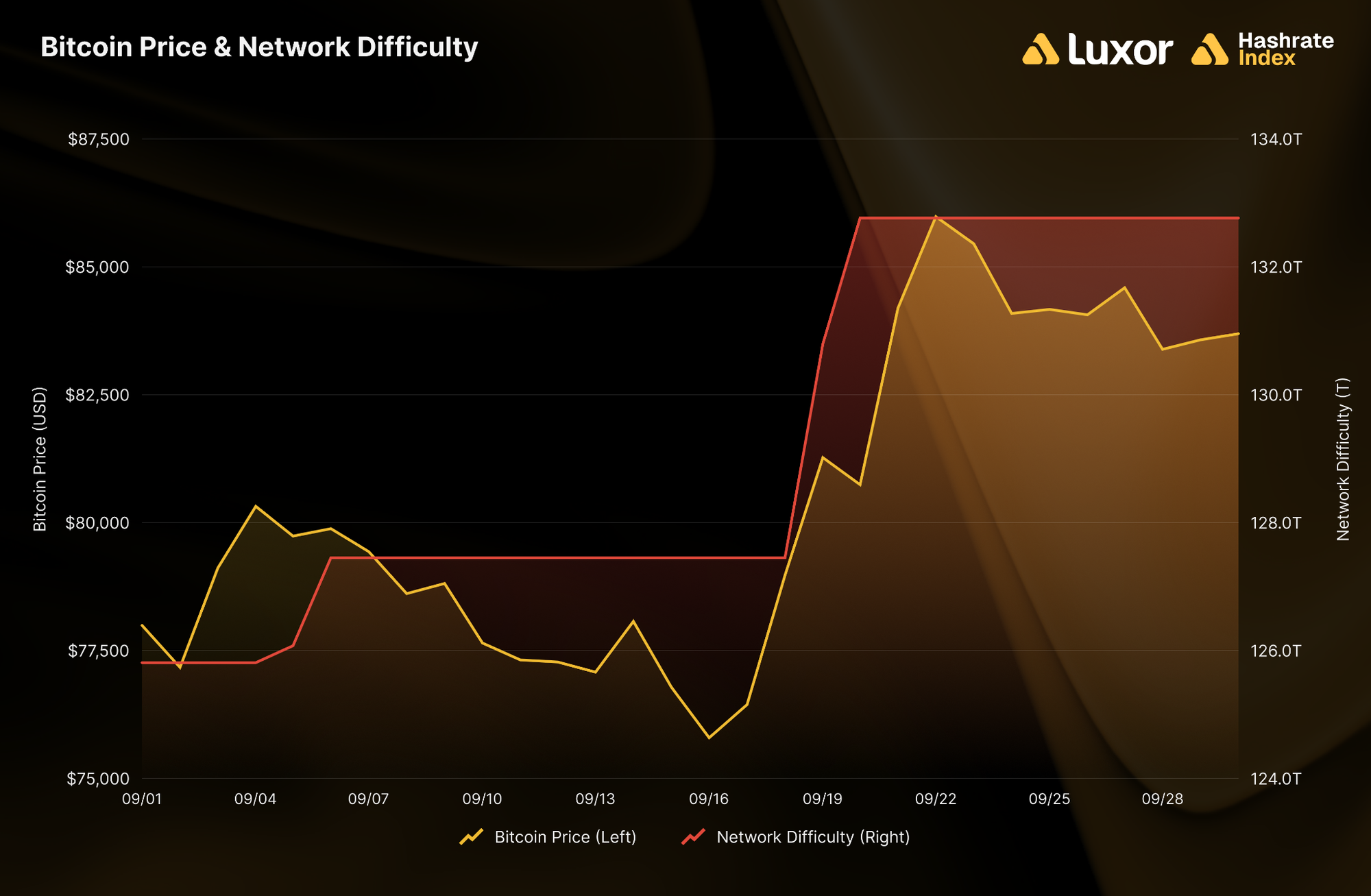
Bitcoin opened September trading at $77,984 and ultimately closed at $83,687, marking a 7.3% monthly gain while averaging $80,386, up 16.1% month-over-month. The apex for the month was reached on September 22 when Bitcoin touched $85,973.
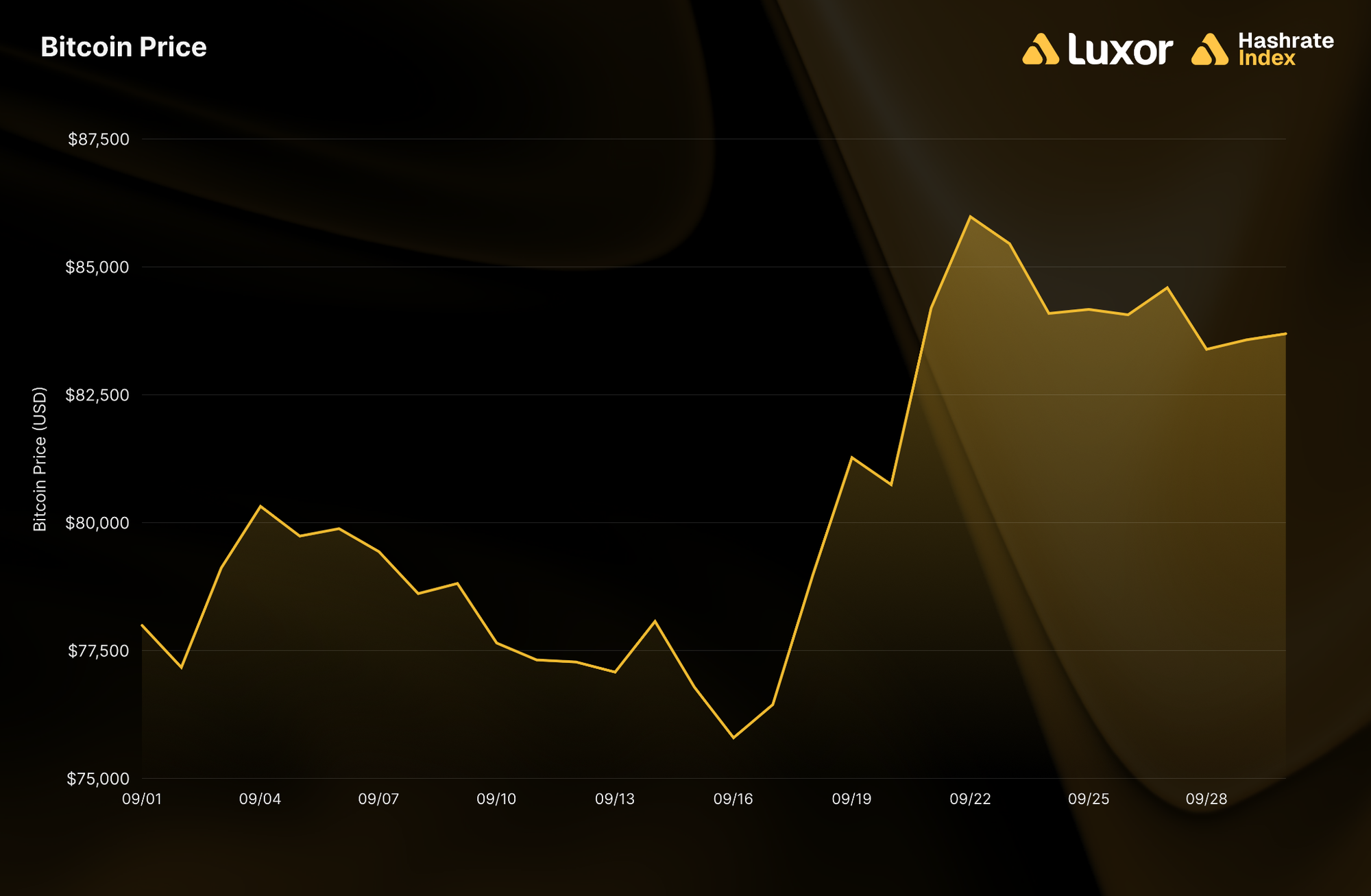
However, the path to these figures was fraught with macro-driven volatility. Two major regulatory and monetary policy hurdles landed within a turbulent 24-hour window, both dealing swift blows to the market. On September 15, the U.S. Senate failed to invoke cloture on the Clarity Act, falling short with 41 votes against the measure and effectively stalling the legislation for the remainder of 2026. Just a day later, the Federal Open Market Committee (FOMC) unanimously voted to raise interest rates by 25 basis points to a range of 3.75% to 4.00%, marking the central bank’s first rate hike since July 2023. Bitcoin suffered its monthly low of $75,791 amid the compounding pressure of these announcements.
Following this dip, the market experienced a sharp recovery. Between September 16 and September 22, Bitcoin surged 13.4% to reach $85,973, marking its most substantial six-day gain since the August breakout. This recovery was fueled by massive institutional inflows, as spot exchange-traded funds pulled in $999 million on September 21 alone—the largest single-day haul of the year and the highest since October 2025. Total monthly inflows reached $2.65 billion, successfully lifting net flows for 2026 back into positive territory. According to estimates from Bloomberg Intelligence, this influx pushed the average U.S. spot-ETF holder back into profitable territory for the first time since January.
Despite this momentum, Bitcoin finished September down 32.8% from its October 6, 2025 peak of $124,485, an improvement from the 37.1% deficit recorded at the end of August. The asset also remained 13.1% below its 2026 high of $96,278 established on January 15. On a quarterly basis, however, Bitcoin posted a 41.8% gain, marking its strongest quarterly performance since the final three months of 2024.
Network Difficulty and Hashrate Recovery
Network difficulty averaged 129.24T, reflecting a 2.0% increase, and closed the month at 132.76T. Two upward adjustments took place during the period: a 1.31% increase on September 5 and a 4.16% hike on September 19, which marked the largest single retarget since June 27. With a net gain of 5.52% across both adjustments, September experienced the most significant month of difficulty growth since October 2025.
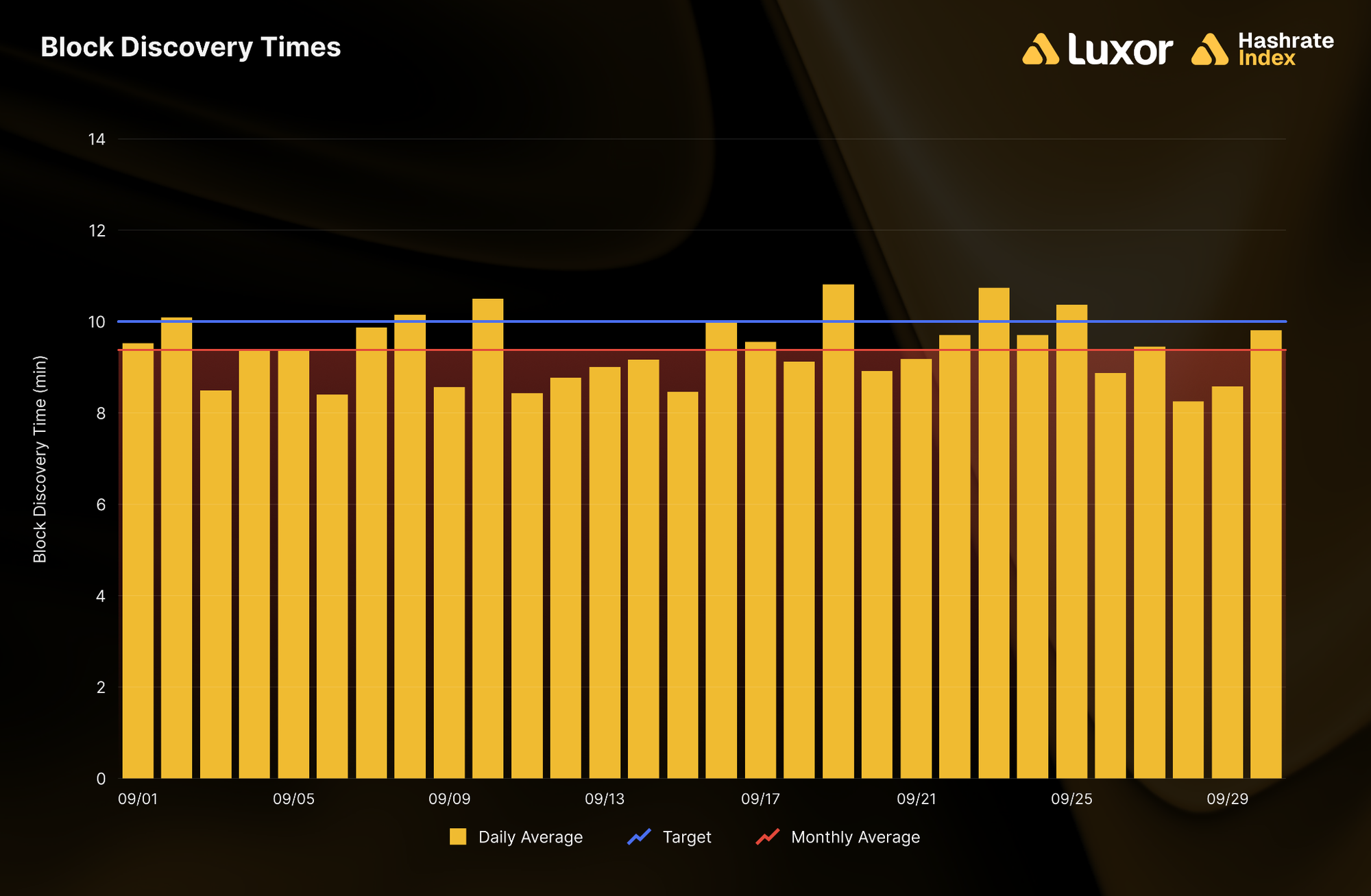
Block times averaged 9 minutes and 23 seconds, making it the fastest month for block generation since February, with 23 out of 30 days coming in under the standard 10-minute target. Much of this acceleration was driven by the return of hashing power that had previously curtailed operations during the intense Texas summer as the 4CP (Four Coincident Peaks) transmission season came to a close. Consequently, the seven-day network hashrate average climbed from 926 EH/s to 975 EH/s over the course of the month.
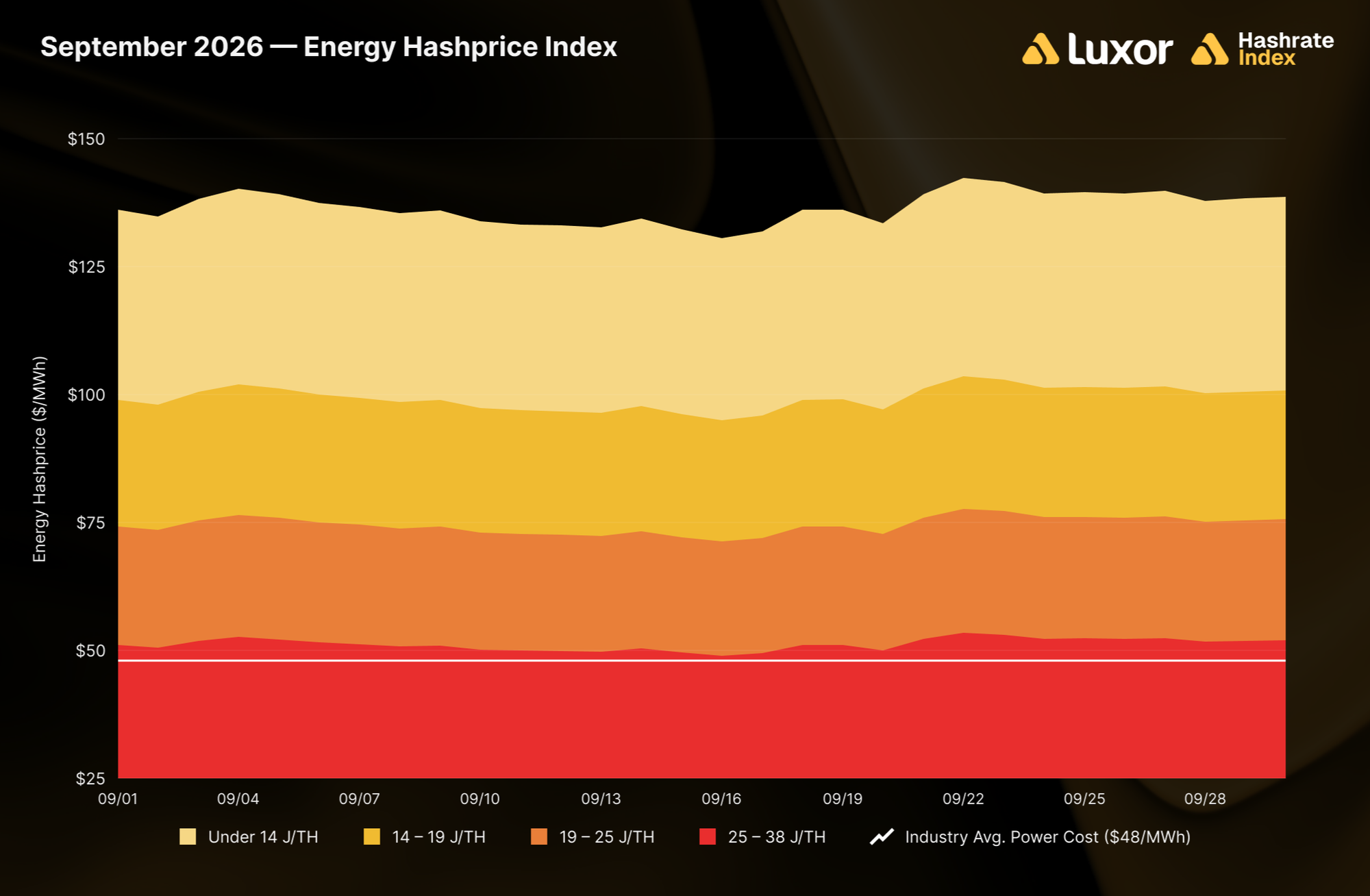
Looking back at the seasonal power dynamics in ERCOT, the four coincident peaks for the grid were established on June 18, July 22, August 24, and September 12. July’s peak of 90.96 GW marked the seasonal high, while September’s 86.49 GW peak at 4:30 PM Central Time served as the final critical interval. Flexible-load clients utilizing Luxor Energy successfully dispatched curtailment procedures across all four intervals, logging 120 hours of total downtime across 47 dispatch days. At prevailing transmission rates, the avoided charges heavily outweighed the foregone mining margins, providing a substantial economic benefit to participating operators.
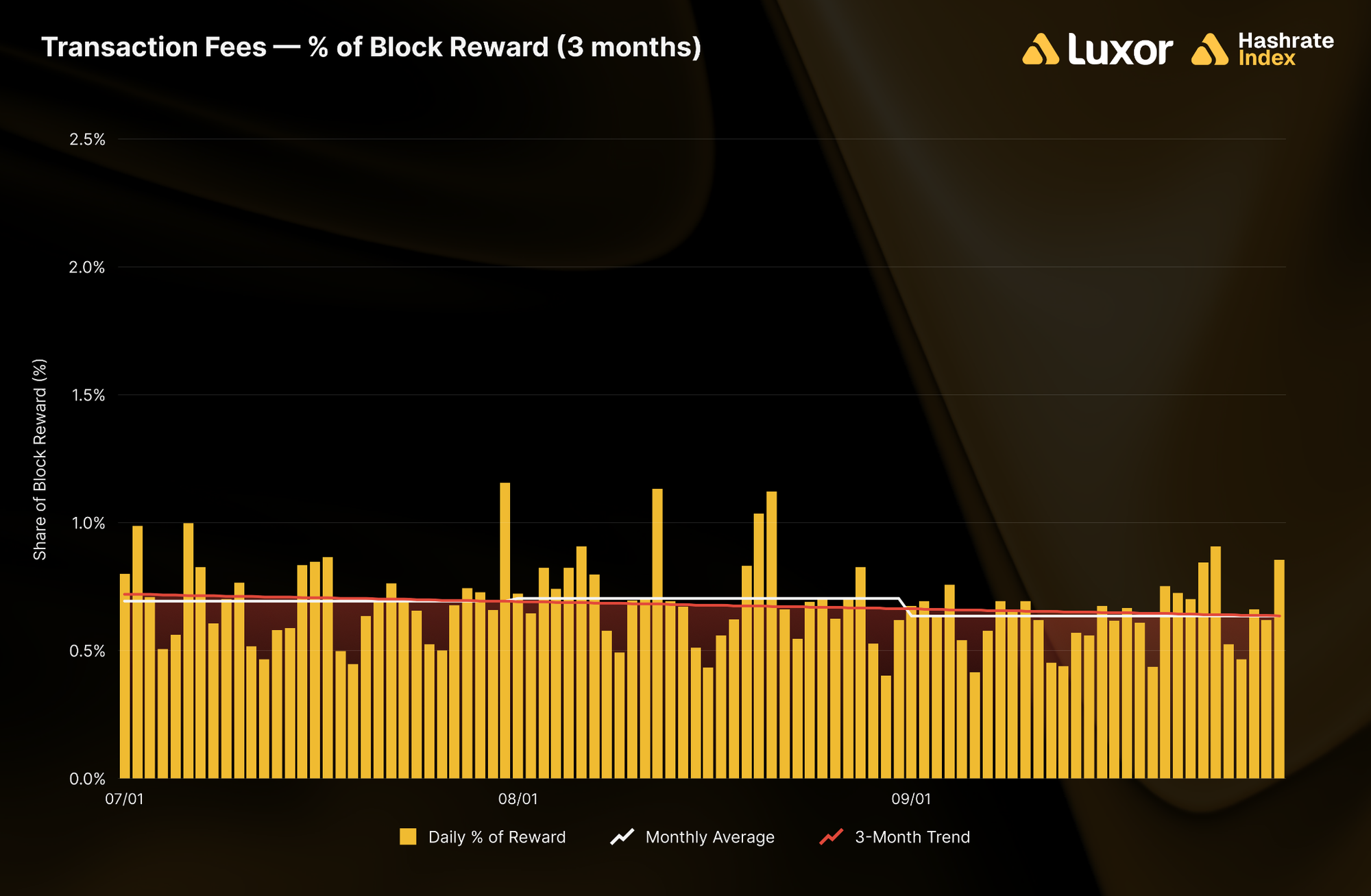
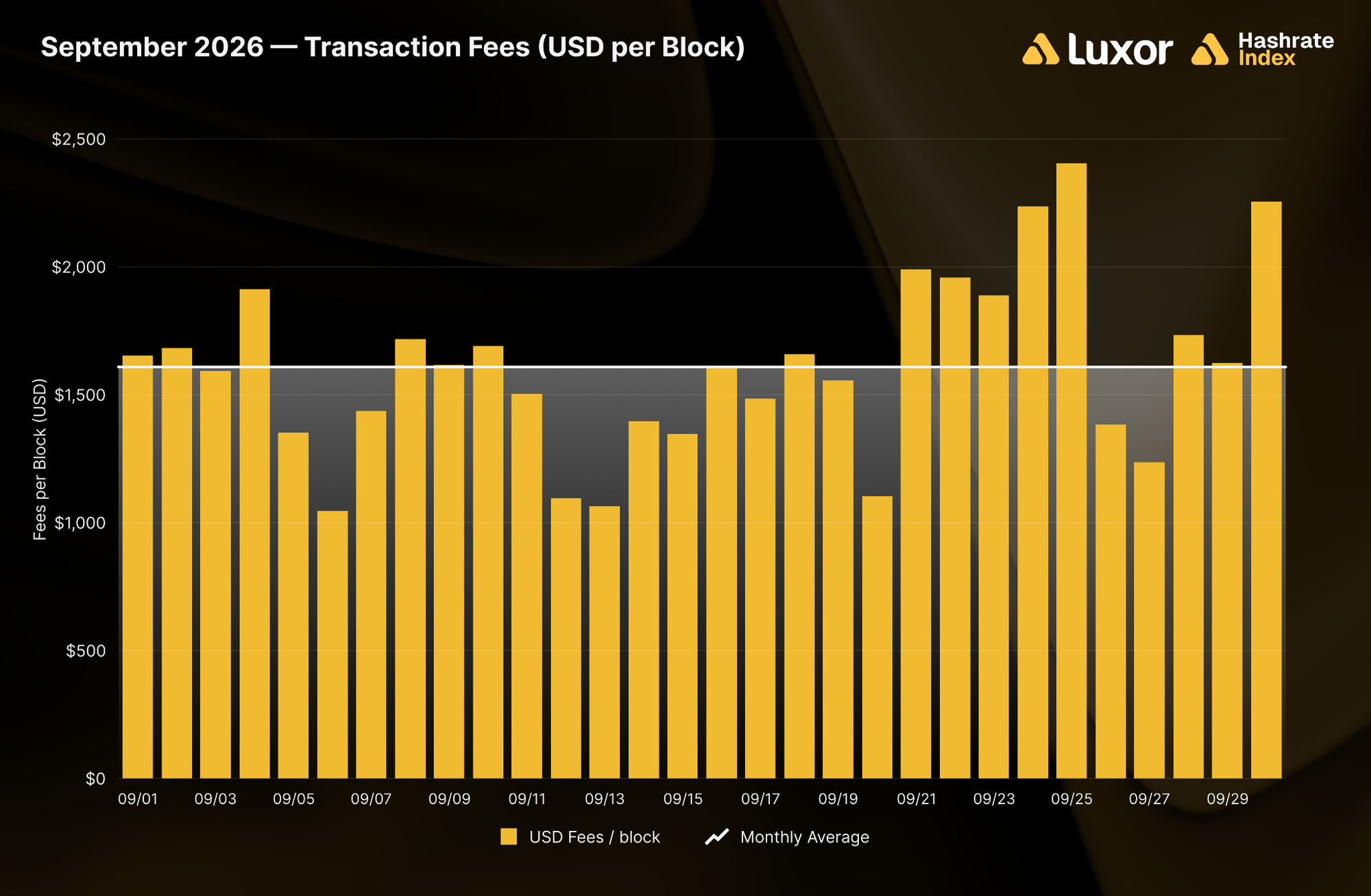
Meanwhile, average transaction fee collections fell 10.1% to 0.0199 BTC per block, marking the lowest level recorded since May. Fees accounted for just 0.63% of total block rewards, extending a streak to fifteen consecutive months where fees contributed less than 1% of block rewards. Daily fee collection ranged from 0.013 to 0.029 BTC per block without any notable outlier blocks. In USD terms, however, the average block earned approximately $1,607 in fees, representing a 4.8% increase driven entirely by Bitcoin’s higher fiat price.
Hashrate Derivatives and Forward Market Activity
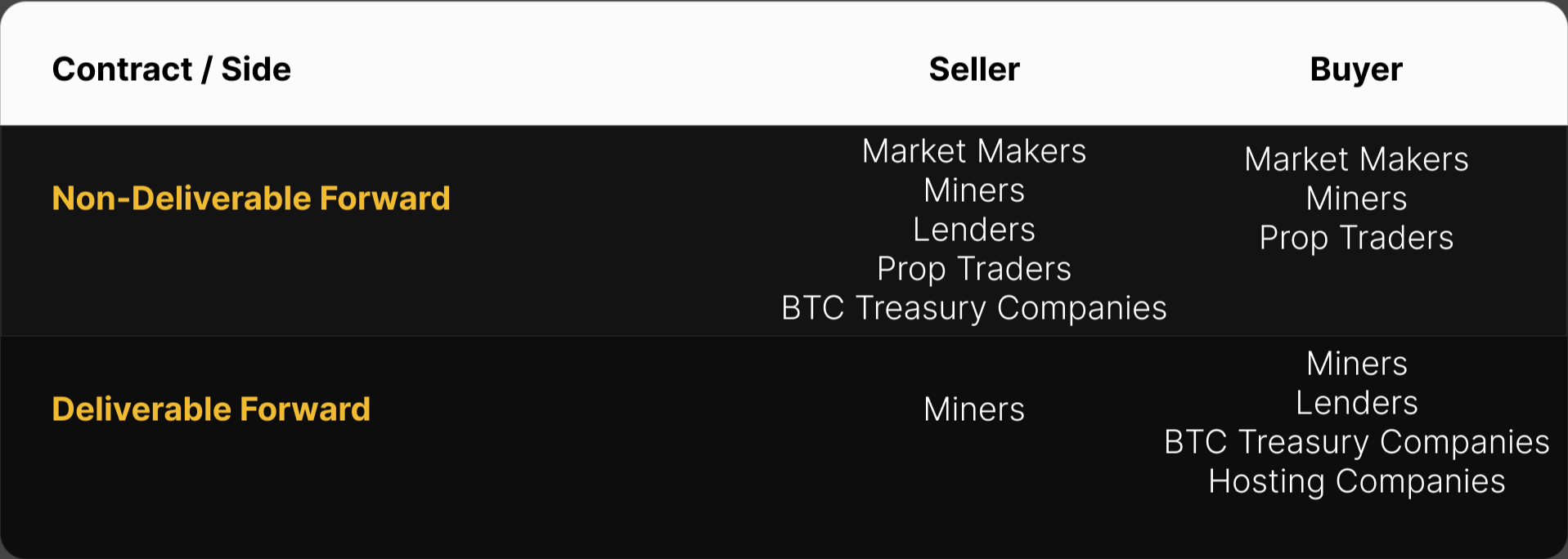
An analysis of Luxor’s hashrate forward market highlights how contracts traded historically and how the forward curve shifted throughout September. Deliverable forwards (DF) and non-deliverable forwards (NDF) played a critical role for market participants. Lenders remained active on the buy side of the DF market, while public and private miners utilized the contracts to sell forward, secure financing, and expand their mining fleets.
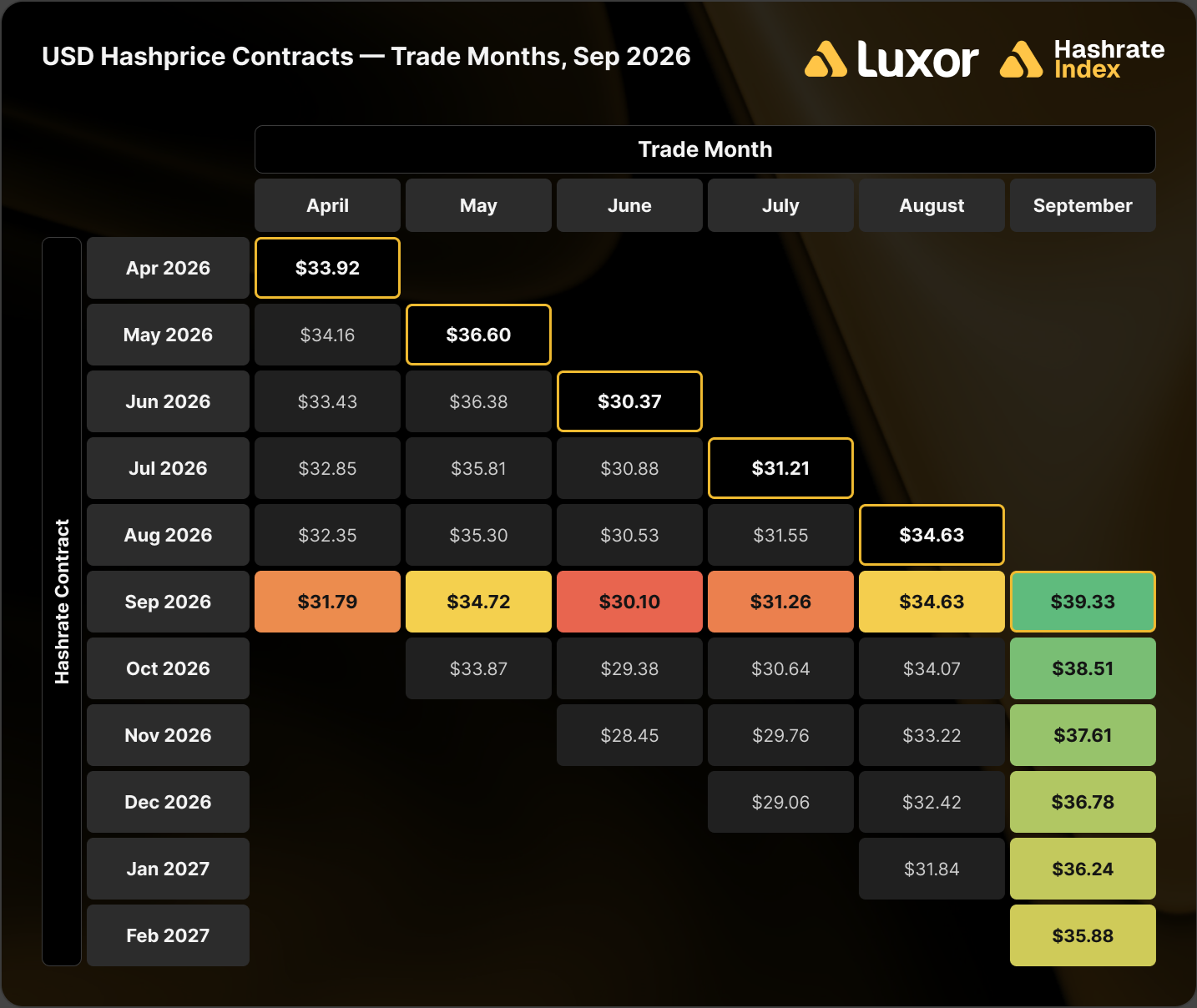
Because deliverable forwards require prepayment, they typically trade at a discount to non-deliverable forwards to compensate buyers for credit risk and the cost of capital. Pairing a DF with an offsetting NDF allows participants to lock in that spread as a fixed Bitcoin-denominated yield for lenders or a predictable financing cost for miners. In September 2026, this implied cost of capital hovered between 6% and 13% annualized.
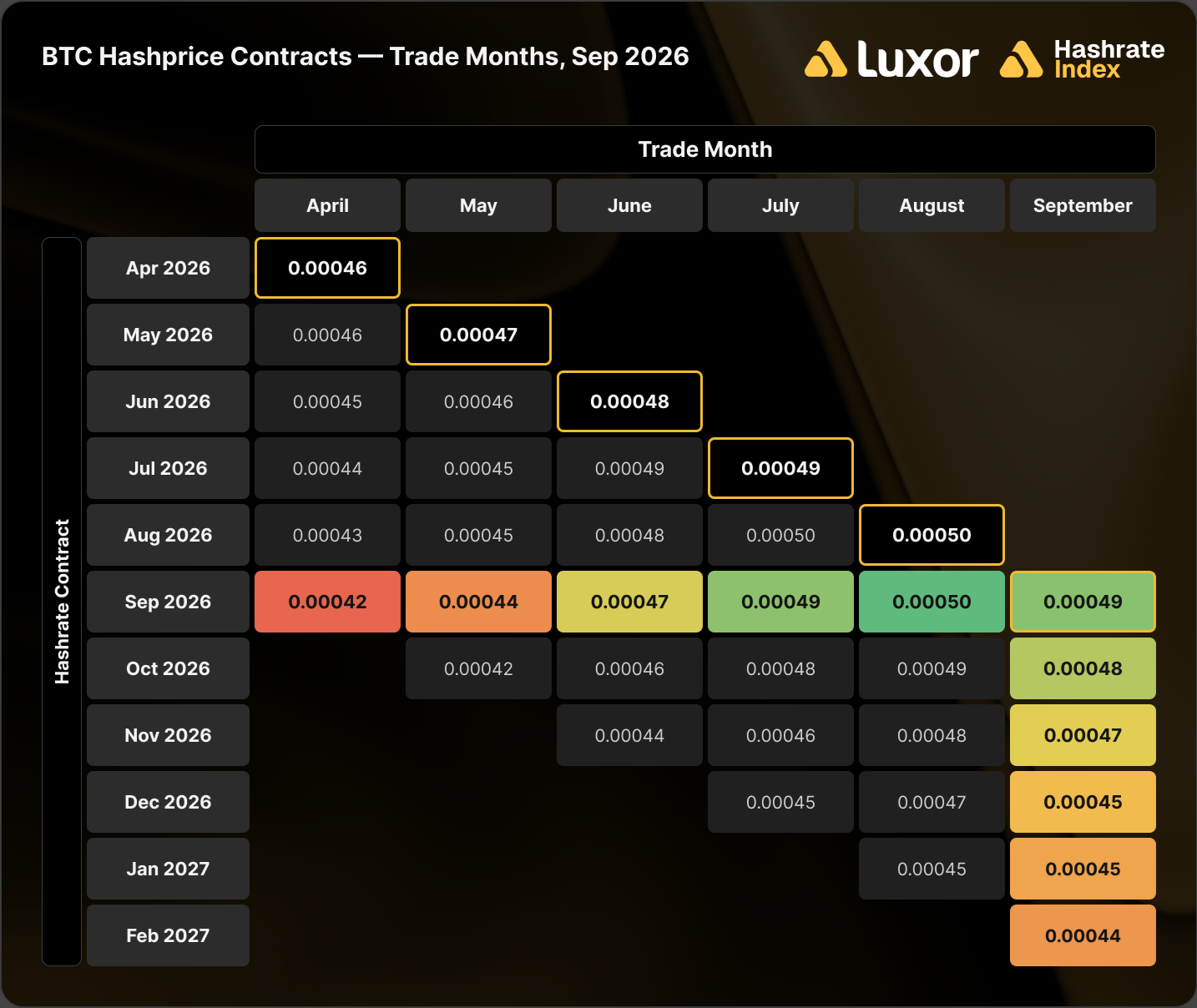
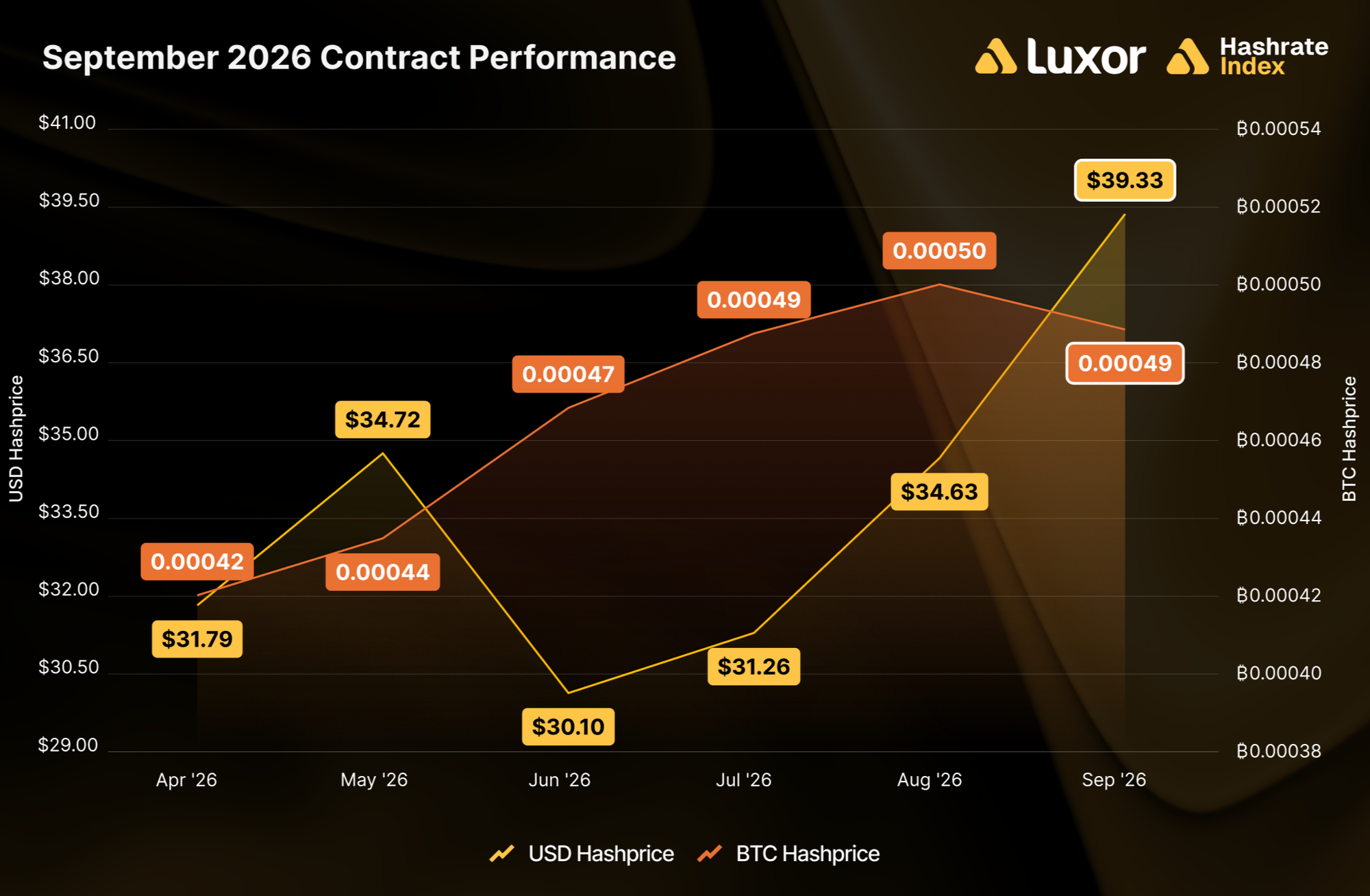
For the September 2026 contract specifically, the month marked the first time since July 2025 that every dollar-denominated hedge resulted in a loss relative to spot settlement. Sellers of the September USD contract had locked in rates between $30.10 and $34.72 per PH/s/day, falling short of the $39.33 spot settlement. In Bitcoin terms, however, a five-month losing streak finally broke. While August’s one-month forward sale at 0.00050 BTC per PH/s/day outperformed the 0.00049 spot settlement by 2.4%, longer-term horizons spanning two to five months continued to underperform spot, mirroring a trend that has persisted since January.
Looking Forward
As the market transitions into the final quarter of the year, October has opened above September’s closing levels. Through the first week of October, hashprice has averaged $40.37, while Bitcoin has maintained an average price of $84,655.
With the conclusion of the 4CP season in Texas, the seasonal pattern for October historically points toward continued difficulty growth. October has delivered positive difficulty adjustments in every year since 2022, averaging a 4.38% increase per epoch and roughly 10% across the entire month. With network hashrate continuing to climb and the forward curve pricing in further expansion toward the 1 ZH/s threshold by early 2027, the primary question for miners remains whether Bitcoin’s spot price can sustain its momentum to outpace the inevitable increase in network difficulty.
 Cryptocurrency Mining
 Cryptocurrency Mining
 Cryptocurrency Mining