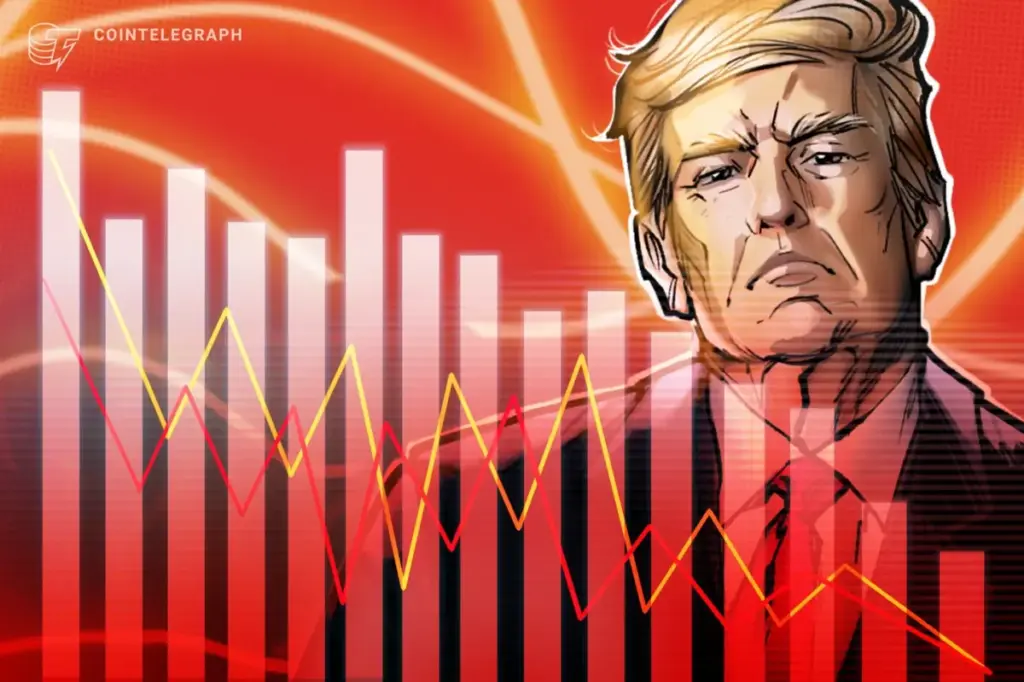
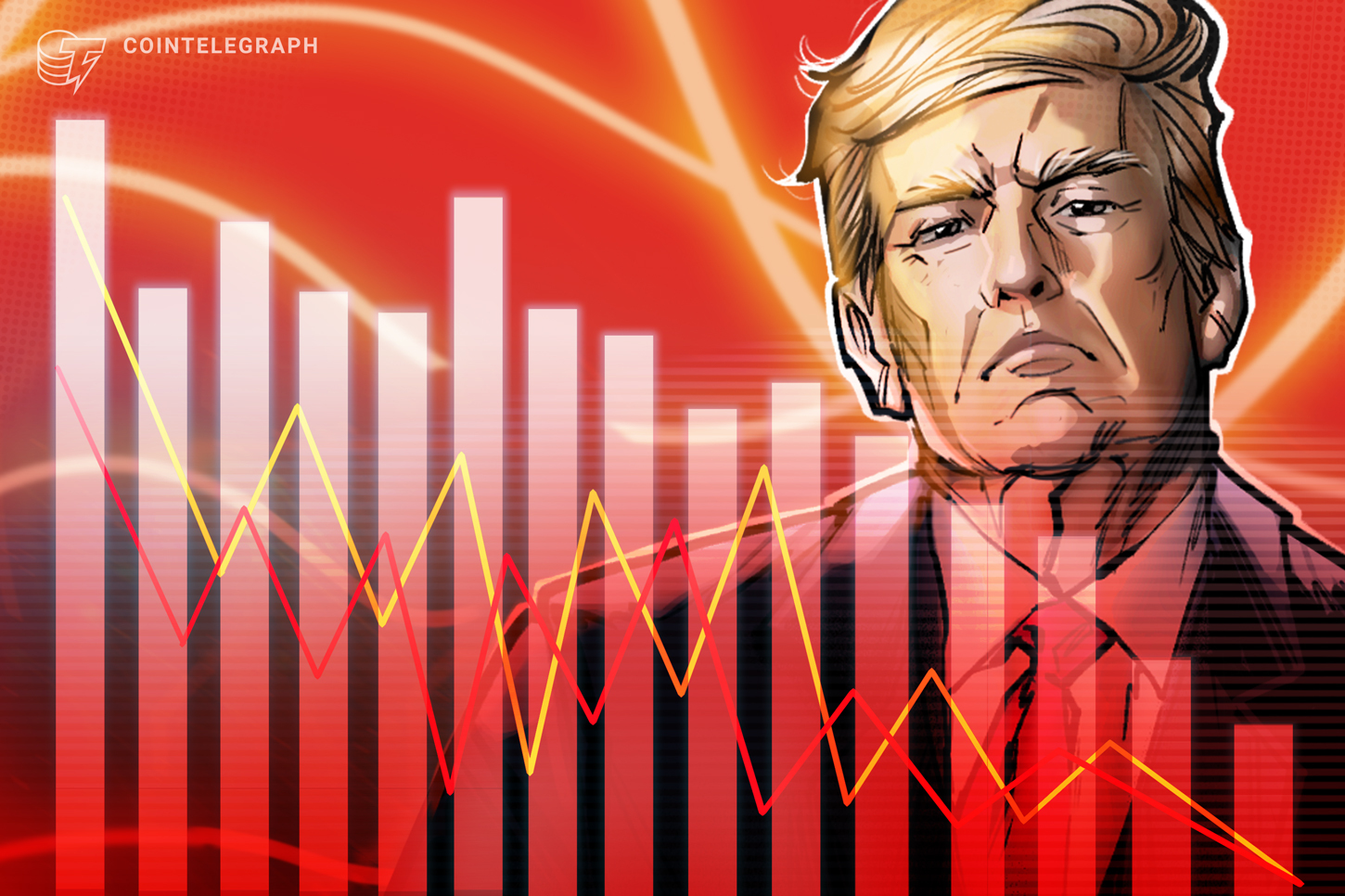
A comprehensive new report by the nonprofit consumer advocacy organization Public Citizen has raised significant ethics and financial concerns surrounding the digital asset market, alleging that United States President Donald Trump and his family’s various cryptocurrency and blockchain ventures have left everyday investors roughly $4.7 billion underwater since 2022.
The findings spotlight a web of high-profile digital asset offerings tied to the First Family, ranging from governance tokens and nonfungible tokens to memecoins and corporate digital asset treasuries. While retail participants have faced substantial financial downturns across several of these products, the report underscores a stark financial divergence: even as investors absorbed billions in losses, the presidential portfolio reaped substantial personal windfalls from licensing agreements, token sales, and capital contributions.
According to Public Citizen, the vast majority of the estimated $4.7 billion in losses stemmed from the broader ecosystem of assets associated with the Trump brand. These include the World Liberty Financial governance token, the controversial nonfungible token (NFT) trading cards initially launched by the president in 2022, the hyper-volatile Official Trump (TRUMP) memecoin, and the digital asset treasury holdings managed by Trump Media.
The single largest source of financial pain for retail traders came from the TRUMP memecoin. Public Citizen’s analysis indicates that participants in this specific token alone accounted for roughly $3.2 billion in losses. However, the advocacy group offered a nuanced economic breakdown of how these digital tokens function, pointing out that in the case of the memecoin craze, the staggering losses were primarily a zero-sum wealth transfer rather than funds that entirely vanished into thin air. Instead of disappearing from the financial system, billions of dollars flowed directly from late-arriving retail buyers into the pockets of a small, highly strategic group of early-stage buyers and insiders.
In contrast, other ventures within the family’s portfolio experienced different trajectories. For instance, buyers of the USD1 stablecoin associated with World Liberty Financial have thus far avoided major financial catastrophes, experiencing relative stability compared to the volatile swings seen in memecoins and governance tokens. Nevertheless, the aggregate financial picture painted by the consumer advocacy group remains bleak for the broader retail community engaging with political and celebrity-branded digital assets.
While everyday market participants absorbed billions in unrealized or realized losses, the financial disclosures tell a vastly different story for the president himself. Public Citizen calculated that Donald Trump personally earned $7.2 million from NFT licensing fees and associated royalties. Furthermore, the analysis revealed that the president pulled in more than $600 million from World Liberty token sales and the strategic sale of an equity stake, alongside an additional $635 million in licensing fees generated by his namesake memecoin. Rounding out these lucrative revenue streams were $197 million in operational revenue stemming from capital contributions to World Liberty.
These figures do not even fully account for the substantial equity stakes in companies and ongoing blockchain ventures that the president continues to hold within his personal portfolio. Many of these staggering figures directly align with data made public in the president’s official 2025 financial disclosures, which formally reported roughly $1.4 billion in cumulative earnings directly tied to the cryptocurrency and digital asset sector—outpacing traditional revenue generators like real estate during the same period.
The White House has consistently pushed back against accusations of ethical impropriety or conflicts of interest. When reached for comment regarding the Public Citizen report, representatives for the administration did not immediately provide a fresh statement. However, White House spokesperson Anna Kelly has repeatedly addressed similar inquiries in the past, asserting firmly that there are "no conflicts of interest" arising from the president’s sprawling personal business engagements and digital asset initiatives.
Crypto bill still weeks away from potential vote
Against the backdrop of these multibillion-dollar ventures—and with warnings from watchdogs that additional crypto projects may still be on the horizon from the Trump family—Public Citizen has renewed its aggressive lobbying efforts. The organization is pressing lawmakers to incorporate stringent ethics provisions into upcoming cryptocurrency market structure legislation, specifically targeting the Digital Asset Market Clarity (CLARITY) Act.
Public Citizen’s leadership argued that the current political reality proves "the president’s policy choices and personal portfolio cannot be separated." Consequently, the advocacy group contends that any comprehensive digital asset legislation moving through Congress should explicitly mandate that a sitting U.S. president and their immediate family members completely divest from commercial cryptocurrency projects and industry tokens while in office.
The legislative battleground over the CLARITY Act is heating up on Capitol Hill. Last week, President Trump held direct meetings with prominent cryptocurrency company executives and industry leaders, actively rallying support and calling for a "fair version" of the CLARITY Act to be successfully passed into law as soon as the Senate officially returns from recess next month.
The high-stakes financial bill is currently scheduled for a critical cloture vote on Sept. 15. To overcome procedural hurdles and successfully advance toward a final vote, the legislation will need to secure support from at least 60 senators, setting the stage for a contentious legislative showdown that intersects directly with questions of executive ethics, market regulation, and the future of digital assets in the United States.
 Non-Fungible Tokens (NFTs)
 Non-Fungible Tokens (NFTs)
 Non-Fungible Tokens (NFTs)