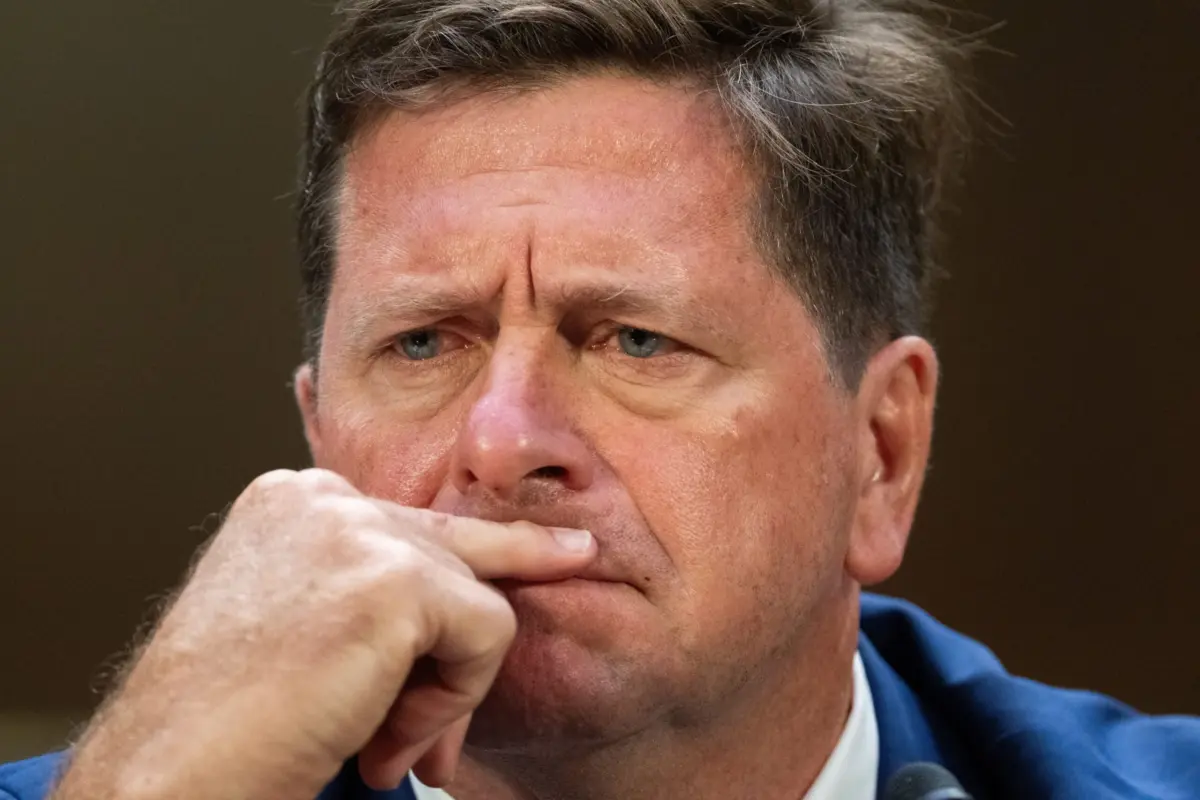
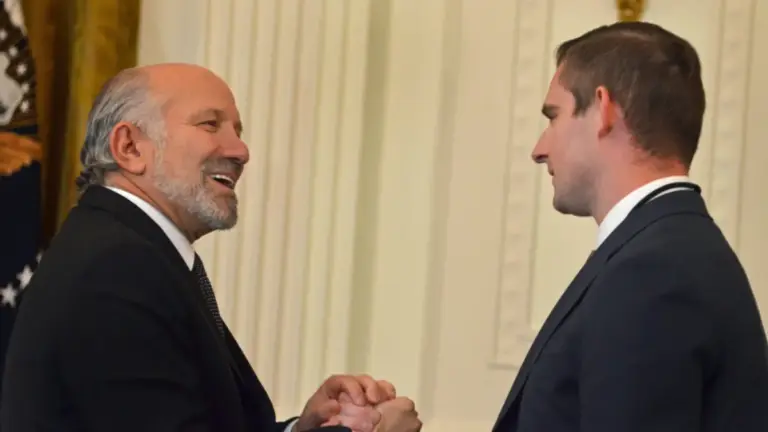
Jay Clayton, the former U.S. Securities and Exchange Commission (SEC) chairman whose lengthy career in public service and private finance has intersected closely with evolving technology markets, is reportedly on the verge of taking on a prominent new role in the Trump administration as its artificial intelligence czar.
The anticipated appointment marks another chapter in the versatile career of the frequent appointee of President Donald Trump. However, if Clayton steps into the role, his portfolio will look distinct from that of his predecessor, David Sacks, who previously served the administration as a combined crypto and artificial intelligence czar. Should Clayton secure the new position, his primary focus will reportedly center on managing the administration’s newly conceptualized AI Force to oversee the rapidly expanding domestic artificial intelligence sector.
The exact parameters of the mandate remain somewhat fluid, particularly as the president continues to counter critics who have sounded alarms regarding the safety risks and societal challenges posed by increasingly sophisticated machine intelligence. While Sacks managed both digital assets and artificial intelligence policy before stepping down from his crypto czar role in March, the upcoming administration setup appears to split those responsibilities. White House crypto efforts have more recently been spearheaded by adviser Patrick Witt, leaving Clayton’s potential jurisdiction cleanly focused on the burgeoning artificial intelligence industry.
Clayton, who did not respond to a message seeking comment for this report, brings an extensive legal and regulatory background to the table. Before his current service as Trump’s director of national intelligence—a position he was appointed to earlier this year—Clayton served as the U.S. attorney for the Southern District of New York. Prior to his return to the public sector, he spent several years serving on the board of private equity giant Apollo Global Management, a firm that has committed billions of dollars to backing artificial intelligence and digital infrastructure projects.
For the technology sector, the prospect of Clayton taking the reins of national AI policy brings a familiar figure back into the regulatory spotlight. The artificial intelligence community may inevitably look toward his historical record as a watchdog for digital assets and emerging technologies.
The aggressive regulatory enforcement stance that the crypto industry notoriously decried under former SEC Chairman Gary Gensler—a Democratic appointee of the Biden administration—actually had its formative beginnings during Clayton’s tenure running the agency. Appointed chairman by Trump during his first term in the White House, Clayton initiated several high-profile legal battles within the digital asset ecosystem. Most notably, as he prepared to exit the agency in late 2020, Clayton set in motion the SEC’s high-profile legal fight with Ripple Labs.
That enforcement action stood as one of the most significant legal confrontations the agency undertook against a major industry player, accusing Ripple of failing to register roughly $1.3 billion worth of its XRP tokens as securities. Although that particular case was ultimately halted under another Trump appointee, current SEC Chairman Paul Atkins, whose agency formally dismissed further pursuit of the court action last year, the Ripple lawsuit was merely the closing act of a much longer crypto enforcement history under Clayton.
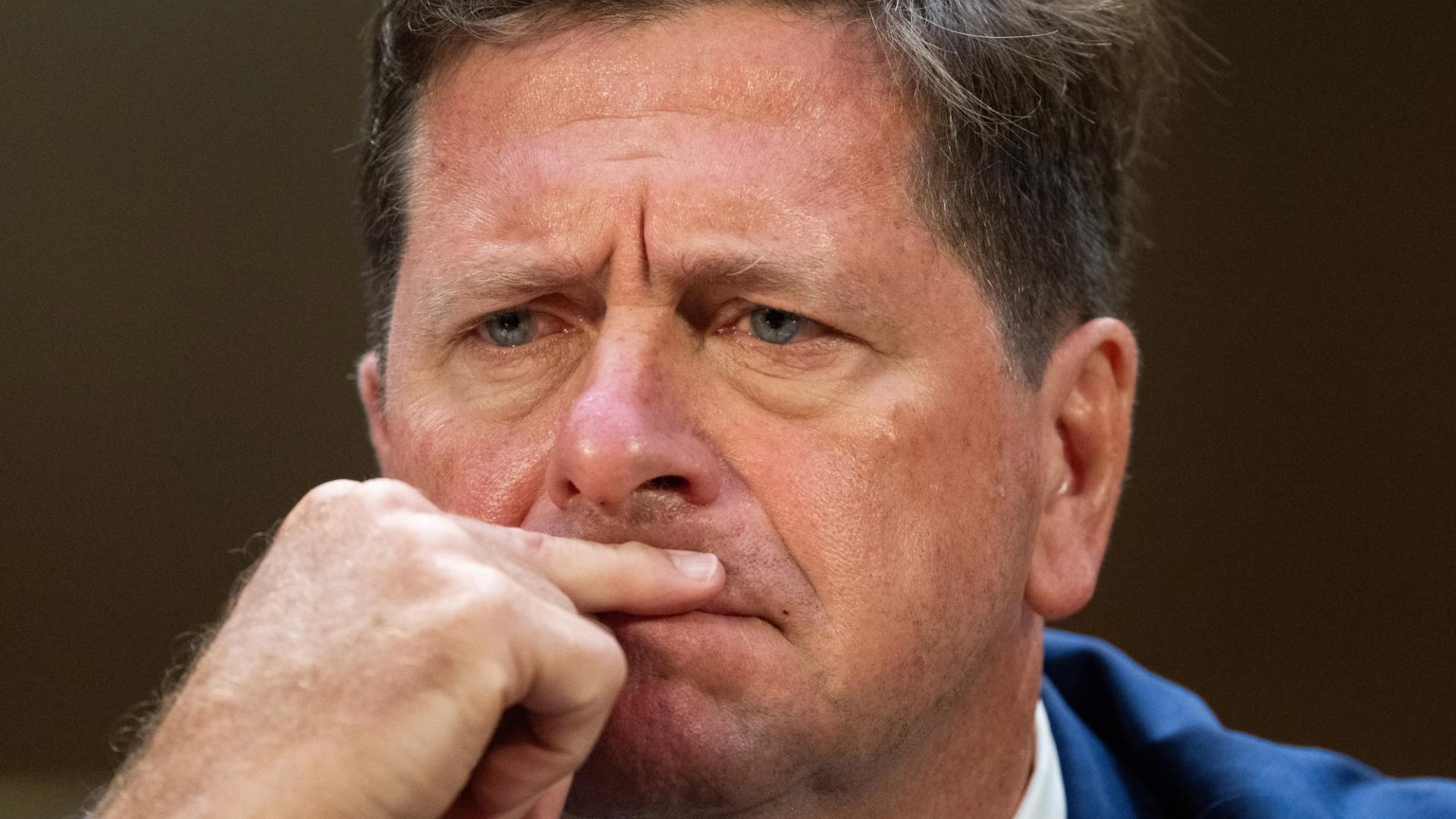
In 2017, Clayton established the SEC’s specialized "Cyber Unit" to monitor and police the burgeoning digital asset sector, with a primary focus on initial coin offerings and other unregistered industry activities. By the time he concluded his tenure as chairman in December 2020, the regulatory agency published a comprehensive summary outlining his enforcement record, noting that his administration had brought 57 distinct enforcement actions against digital assets, blockchain enterprises, and ICO offerings.
The rhetoric deployed by Clayton’s SEC during those years will sound acutely familiar to industry participants who later locked horns with the agency under Gensler. The commission routinely emphasized its mandate to protect investors from fraudulent schemes involving digital asset securities, alongside cracking down on the violation of federal registration provisions during token sales and offers.
The broader political landscape surrounding these technologies has shifted dramatically since Clayton first took aim at the crypto sector. During his first term in the White House and well beyond, President Trump was a vocal cryptocurrency skeptic. Reflecting on the broader digital asset market in 2021, Trump remarked in a media interview that he believed such assets should be regulated "very, very high."
Over subsequent years, however, Trump’s posture underwent a profound transformation. He made personal ventures into the digital asset space, starting with the release of non-fungible token trading cards, followed by the launch of a self-referential memecoin and securing a financial stake in World Liberty Financial. By the 2024 presidential campaign trail, Trump had fully reinvented himself as a vocal booster of the digital asset industry. Upon returning to the White House, he established the dual czar framework, hiring Sacks to oversee both artificial intelligence and cryptocurrency policy.
The evolution of the White House’s technology oversight framework has now led to a more specialized approach. When Trump announced plans for the AI Force on his Truth Social platform in September, he drew direct parallels to the Space Force established during his first presidential term. At the time, he indicated that he would name a high-IQ individual to lead the initiative as his dedicated AI czar in the near future.
Addressing the national implications of the technology he may soon oversee, Clayton recently weighed in during an interview on CNBC, framing artificial intelligence primarily as a critical matter of national security. During the appearance, he explicitly pushed back against proposals or discussions advocating for an industry-wide pause on artificial intelligence research and development.
"I don’t think any American should think that that’s a good strategy," Clayton stated regarding the prospect of halting technological progress.
 Cryptocurrency News
 Cryptocurrency News
 Cryptocurrency News